
Light Requirements
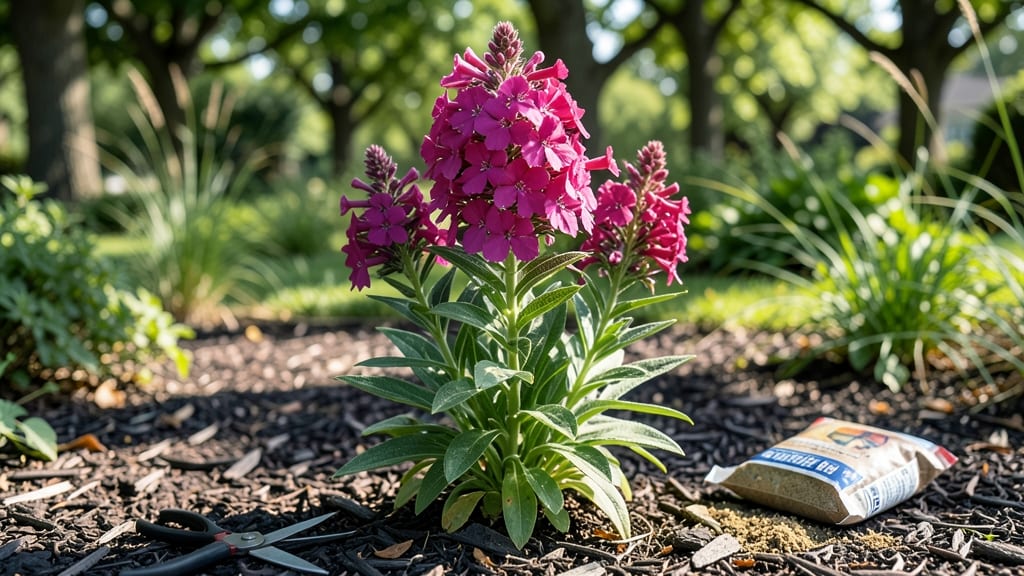
Growing phlox in part shade can transform those tricky, low-light garden spots into vibrant, long-blooming displays 🌸 — and the right varieties make it effortless.
If you thought phlox needed full sun to thrive, think again—these stunning perennials can bloom beautifully in part shade, adding vibrant color to your garden’s shadier spots.
Whether it’s a woodland edge or a north-facing border, phlox adapts with ease, as long as you pick the right types and give them the care they crave.
The key to success lies in choosing the best varieties for your USDA Zone 6a climate, where March-April planting sets the stage for June-August blooms. With the right soil prep, spacing, and companion plants, you’ll get waist-high flowers that outshine even the sunniest beds.
In this guide, I’ll walk you through 4 top-performing varieties, soil secrets for part-shade gardens, and how to pair phlox with shade-loving friends for year-round interest. Let’s get those blooms thriving!
 Best Window Placement
Best phlox varieties for part shade gardens
Part shade gardens don’t have to miss out on the vibrant blooms of phlox! While many varieties thrive in full sun, these four long-blooming types actually prefer 3-6 hours of light daily.
Their adaptability makes them perfect for woodland edges, foundation plantings, or understory gardens where sunlight is limited.
I’ve selected these varieties for their color intensity, bloom duration, and low-maintenance nature—all while delivering months of seasonal interest. Whether you’re filling a shady border or brightening a container garden, these phlox will outperform expectations in partial shade.
Here’s how they compare at a glance—ideal for quick decision-making before planting:
| Variety | Height | Color Range | Bloom Time | Notes |
|---|---|---|---|---|
| Phlox paniculata ‘David’ | 2-3 ft | Deep purple | July-August | Fragrant, heat-tolerant, mildew-resistant |
| Phlox divaricata ‘Blue Dawn’ | 1-2 ft | Soft blue | April-May | Early bloomer, spreading habit, deer-resistant |
| Phlox subulata ‘Emerald Blue’ | 6-8 in | Blue-green | March-April | Ground cover, drought-tolerant, winter hardy |
| Phlox maculata ‘Jeana’ | 1.5-2 ft | Pink | June-July | Long bloom, butterfly magnet, compact form |
Phlox paniculata ‘David’ steals the show with its deep purple blooms and intense fragrance. This variety handles humidity better than most phlox, making it ideal for eastern or western exposures where afternoon shade prevails. Its tall stature (2-3 feet) works beautifully as a back-of-border plant, pairing well with ferns or hostas.
The early bloomer ‘Blue Dawn’ (Phlox divaricata) is my go-to for spring color in shady spots. Its soft blue flowers create a cool contrast against emerging foliage, and its spreading habit helps fill gaps quickly. Plant it in groups of 5-7 for maximum impact.
For low-maintenance ground cover, Phlox subulata ‘Emerald Blue’ is unbeatable. This moss phlox thrives in rock gardens or woodland edges, producing dense mats of foliage with spring blooms. Its drought tolerance makes it perfect for dry shade areas where other plants struggle.
Lastly, ‘Jeana’ (Phlox maculata) offers extended blooming from June through July, attracting butterflies and hummingbirds. Its pink flowers stand out against dark foliage, and its compact size makes it ideal for containers or small gardens. Deadhead spent blooms to encourage reblooming.
All four varieties benefit from well-draining soil and regular watering during their active growing season. Amend clay-heavy soil with compost to improve drainage, and mulch annually to retain moisture. With these part-shade specialists, your garden will burst with color—even in low-light spots. 🌸
How to create ideal growing conditions for part-shade phlox
Phlox thrives in part-shade gardens when given the right care, producing lush blooms where other plants might struggle. The key lies in moist, well-draining soil and strategic placement to balance light and airflow.
Unlike sun-loving varieties, part-shade phlox benefits from morning sun exposure paired with afternoon shade to prevent stress. Let’s break down the essential steps to create perfect conditions for your phlox.
Start with a soil test to ensure your garden bed has a pH between 6.0 and 7.0, which phlox prefers. Amend heavy clay soil with compost or peat moss to improve drainage, while sandy soils benefit from organic matter like leaf mold.
Phlox roots need to stay consistently moist but not waterlogged—this balance is critical for vibrant blooms. A thick layer of mulch (2-3 inches) will help retain moisture and regulate soil temperature.
Overcrowding stifles airflow, leading to powdery mildew. Space phlox plants 18-24 inches apart for proper circulation. Poor drainage causes root rot—never plant in low-lying areas where water pools. Finally, skipping mulch in hot spells stresses roots, reducing bloom quality.
When planting, dig holes twice as wide as the root ball but only as deep. Gently loosen roots if they’re circling, then backfill with a mix of native soil and compost (50/50 ratio).
Water deeply after planting to settle the soil and encourage root establishment. For container-grown phlox, use a well-draining potting mix with added perlite and water when the top inch feels dry.
Seasonal care makes all the difference. In spring, apply a balanced fertilizer (10-10-10) when new growth appears, then repeat mid-summer. Deadhead spent blooms to encourage continuous flowering, but avoid cutting back stems until after the first frost.
In fall, trim back foliage by half to reduce disease risk and improve next year’s growth.
Watch for common part-shade issues like leggy stems or sparse blooms, which often signal insufficient light. If your phlox struggles, consider relocating it slightly eastward for more morning sun. Conversely, too much shade can lead to floppy growth—prune back leggy stems in early spring to promote bushier, stronger plants.
With the right soil prep, spacing, and seasonal attention, your part-shade phlox will reward you with months of vibrant blooms and minimal fuss. The secret? Treat it like a moisture-loving perennial that appreciates a little shade—just don’t neglect its basic needs! 🌸