
Companion Plants
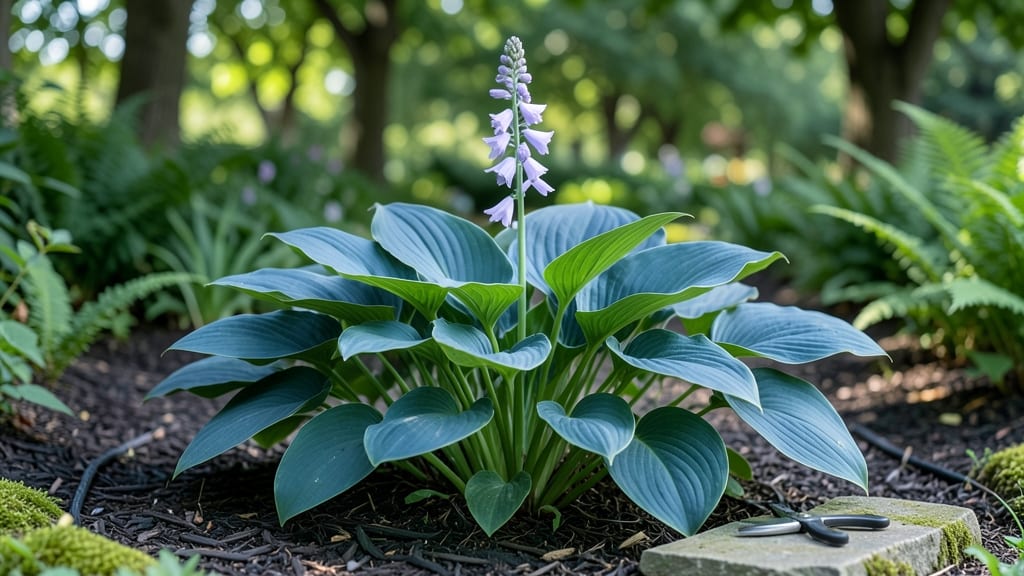
Shady spots don’t have to be dull—perennial shade plants turn them into lush, vibrant gardens that thrive year-round without direct sunlight. 🌿 I’ve transformed my own dark corners into thriving sanctuaries by choosing the right plants, and the results are shockingly lush foliage that never fades into summer’s heat.
The key is matching plants to light levels: hostas for deep shade, heucheras for dappled light, and ferns for moisture-loving spots. These perennials deliver bold textures, velvety leaves, and seasonal blooms that keep interest high even when sunlight is scarce. My favorite combo?
A mix of hostas, astilbes, and Japanese painted ferns—it’s like a living tapestry that changes with the seasons. You’ll end up with a garden that stays green, fragrant, and full of life, even when other areas wilt in the heat. The best part?
Once established, these plants need minimal care—just consistent moisture and occasional trimming to keep them tidy. Perfect for under trees, along north-facing walls, or in spots where sun just won’t reach. Let’s bring your shady areas to life!
📚 In This Guide
- What you need
- Instructions
- Tips and common mistakes
- Wrapping up and next steps
What you need
- ● Perennial shade plants (3–5 varieties, depending on space): Hostas (e.g., Hosta sieboldiana) – 3–5 plants
- ● Ferns (e.g., Matteuccia struthiopteris) – 2–4 plants
- ● Hellebores (e.g., Helleborus niger) – 3 plants
- ● Astilbes (e.g., Astilbe chinensis) – 2 plants
- ● Lungwort (Pulmonaria spp.) – 3 plants
- ● High-quality potting soil or garden soil – 10–20 cubic feet (adjust based on garden size)
- ● Organic compost or mulch – 5–10 bags (for enriching soil and retaining moisture)
- ● Slow-release fertilizer (10-10-10 or balanced formula) – 1–2 bags
- ● Garden gloves – 1 pair (for protection)
- ● Hand trowel – 1 (for planting and soil prep)
- ● Pruners or shears – 1 (for trimming and shaping)
- ● Watering can or hose with adjustable nozzle – 1 (for gentle hydration)
- ● Measuring tape – 1 (to space plants 12–24 inches apart)
- ● Wheelbarrow or bucket – 1 (for mixing soil and compost)
- ● Mulch fabric or landscape fabric – 1 roll (to suppress weeds)
- ● Decorative rocks or pebbles – 1 bag (for aesthetics and drainage)
- ● Plant markers – 5–10 (to label varieties)
- ● Soil pH test kit – 1 (to ensure optimal growing conditions)
- ● Shade-loving companion plants (e.g., Lamium or Blechnum) – 2–3 extra plants
Step-by-Step guide to creating a thriving perennial shade garden
Here’s how to turn your shady spots into a lush, low-maintenance garden that blooms year after year.
🌱 Step 1: Select Plants That Thrive in Low Light
Choose perennials that naturally love shade—hostas, ferns, astilbes, and lungwort are classic picks. These plants handle 2-6 hours of indirect light daily and even tolerate dappled sunlight. I always check the plant tag for terms like "partial shade" or "full shade" to avoid mismatches.
Group plants by their light needs. For example, place shade-loving astilbes near the darkest corner of your garden, while slightly more tolerant hellebores can go closer to the edge where they might catch a few hours of morning sun. This ensures every plant gets just the right amount of light without competing for it.
🪴 Step 2: Prepare the Soil for Moisture-Retentive Growth
Shade gardens need well-draining yet moisture-retentive soil. Amend your existing soil with 2-3 inches of compost and a handful of organic matter like leaf mold or well-rotted manure. This improves drainage while holding moisture for roots that won’t get direct sun to evaporate it.
Test your soil’s moisture level by digging a 6-inch hole—if water pools or drains too quickly, add more organic material. I like to work in a slow-release fertilizer like 5-10-5 at planting time to give roots a nutrient boost without burning them. Avoid heavy clay or sandy soil unless you’ve amended it properly.
☀️ Step 3: Plant with Proper Spacing for Airflow and Growth
Follow the spacing guidelines on plant tags, but give perennials a little extra room—12-24 inches apart—since shade plants grow slowly and need space to establish. Dig holes twice as wide as the root ball but only as deep as the container. This encourages roots to spread horizontally rather than settling too deep.
Water each plant deeply before backfilling the hole to eliminate air pockets around the roots. Press the soil gently around the base but don’t compact it—you want roots to push through easily. Mulch with 2-3 inches of shredded bark or wood chips to retain moisture and suppress weeds, which love shade as much as your plants.
💧 Step 4: Water Consistently Until Established
Shade plants need 1-1.5 inches of water weekly, but more during the first growing season. Water deeply at the base—avoid overhead sprinkling, which can encourage fungal diseases. I check soil moisture by sticking my finger 2 inches down; if it feels dry, it’s time to water.
Once plants are established (after 1-2 years), they’ll need less frequent watering. Look for signs of stress like yellowing leaves or wilting—these usually mean the soil is too dry. Overwatering is just as bad, so always ensure containers or garden beds have proper drainage.
✂️ Step 5: Maintain with Minimal Pruning and Seasonal Care
Deadhead spent blooms in early summer to encourage more flowers, but leave seed heads over winter for winter interest. Cut back foliage in late winter or early spring—when new growth appears, trim just above the first set of leaves. This keeps plants tidy and promotes fresh growth.
Fertilize lightly in early spring with a balanced 10-10-10 formula or compost tea to support growth without overfeeding. Shade plants are generally low-maintenance, but a quick check for pests like slugs or aphids in early summer keeps them thriving. A layer of mulch each fall helps protect roots from temperature swings.
Tips & tricks for perfect perennial shade gardens
These simple strategies will help you create a thriving shade garden that stays lush all year long.
Light Layering: In Step 1, when selecting plants, consider creating vertical layers for maximum impact. Tall plants like astilbes or ferns should go in the back, medium-height hellebores in the middle, and low-growing lungwort or ajuga in the front. This creates visual depth and ensures no plant gets overshadowed by its neighbors. The 2-6 hours of indirect light mentioned works perfectly when you arrange plants this way—each layer gets just the right amount of light for its needs.
Soil Prep Pro Tip: For Step 2, take your soil preparation a step further by testing its pH before amending. Most shade plants prefer slightly acidic to neutral soil (pH 6.0-7.0). If your soil is too alkaline, add peat moss or sulfur to adjust it. I've found that plants like hostas thrive in slightly acidic conditions, while ferns prefer neutral soil—this small adjustment makes all the difference in plant health and vigor.
Planting Precision: When you're following Step 3's spacing guidelines, remember that shade plants often have shallow root systems. Instead of digging holes that are just twice as wide as the root ball, try making them three times as wide. This encourages roots to spread out horizontally, which is perfect for plants that won't get direct sun to drive deep root growth. The extra space also prevents root competition between plants.
Watering Wisdom: For Step 4's watering routine, I've found a simple trick to check moisture levels more accurately. Instead of just sticking your finger 2 inches down, try using a soil moisture meter or even a wooden skewer. Push it in and pull it out—if soil clings to it, you're good; if it comes out clean, it's time to water. This method gives you a more precise reading than just feeling the soil, especially in heavier clay soils that can be deceptive about their moisture content.
Pro Tips for Perrenial Shade Plants
- These simple strategies will help you create a thriving shade garden that stays lush all year long.
- Light Layering: In Step 1, when selecting plants, consider creating vertical layers for maximum impact.
- Soil Prep Pro Tip: For Step 2, take your soil preparation a step further by testing its pH before amending.
Frequently asked questions
Got questions about keeping your shady spots vibrant all year? Here are some of the most common ones—and their answers!
What are the easiest perennial shade plants for beginners?
Start with hardy, low-maintenance picks like Hosta (for lush foliage), Heuchera (for colorful leaves), or Astilbe (for feathery plumes). These thrive in partial to full shade, need minimal fuss, and bounce back yearly. Pro tip: Choose varieties labeled "beginner-friendly" or "disease-resistant" for extra peace of mind!
How long does it take for perennial shade plants to establish?
Most perennials take 1–2 seasons to fully establish, though some like Lungwort (Pulmonaria) or Bleeding Heart (Dicentra) may show modest growth in their first year. Patience pays off—once rooted, they’ll spread and multiply, filling in gaps effortlessly. Pro tip: Water deeply (but avoid soggy soil) during the first growing season to encourage strong roots!
Can I plant perennials in full shade year-round, or are there timing restrictions?
You can plant perennials in shade anytime the ground isn’t frozen—spring (after last frost) or early fall (6–8 weeks before first frost) are ideal. Avoid extreme heat or cold, which stresses roots. Pro tip: If planting in late summer/fall, prioritize moisture-loving plants like Ferns or Hosta to reduce transplant shock.
What if my shade plants look leggy or sparse? How do I fix it?
Leggy or sparse growth often signals too much light (even indirect sun) or poor soil. Try these fixes:
- Prune back overgrown stems in early spring to encourage bushier growth.
- Add organic mulch (like shredded bark) to retain moisture and cool roots.
- Test soil pH—many shade plants (e.g., Rhododendrons) prefer acidic soil (pH 5.0–6.0).
Are there shade-tolerant alternatives to traditional perennials?
Try evergreen ground covers like Creeping Jenny (Lysimachia nummularia) or Sweet Woodruff (Galium odoratum) for year-round texture. For height, Boxwood (Buxus) or Dwarf Fothergilla add structure without sun. Pro tip: Mix in grasses like Carex for movement and contrast—even in deep shade!
Wrapping up and next steps
Transforming your shady spots into vibrant, low-maintenance gardens is easier than you think! Perennial shade plants offer year-round beauty, resilience, and minimal upkeep—perfect for areas where sunlight struggles to reach. Whether you’re a seasoned gardener or just starting, these plants prove that shade doesn’t mean sacrificing style or life.
Ready to take the next step? Start small: pick 2-3 plants from our list, test your soil, and experiment with combinations. Watch your garden thrive—and don’t forget to share your progress! 🌿✨