
Flowers
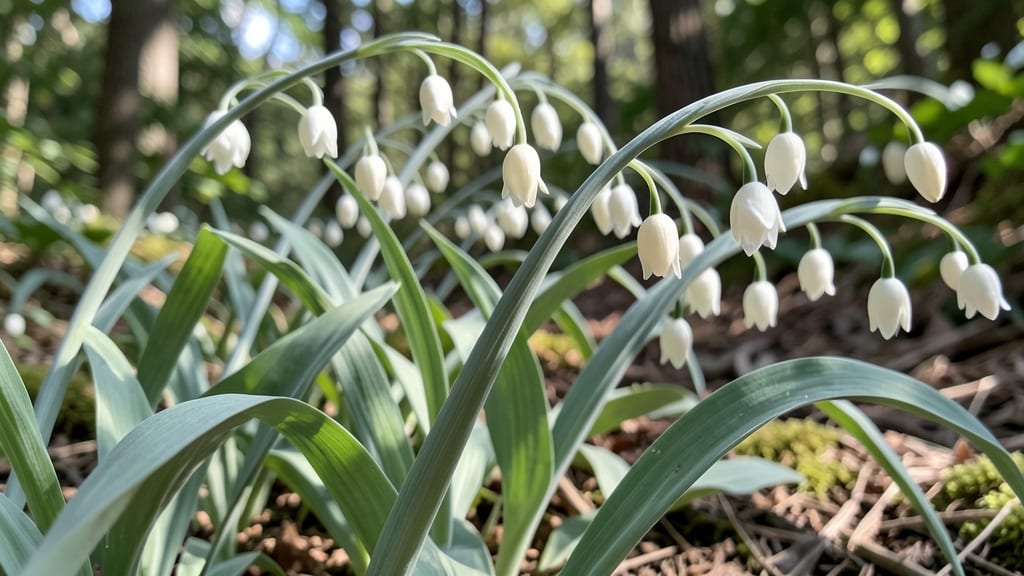
Zone 4 gardeners face tough winters, but these 10 perennial shade flowers thrive in cold climates while delivering vibrant blooms from spring through fall. Discover cold-hardy varieties that multiply over time and require minimal care once established.
Bleeding Heart for Woodland Garden Borders
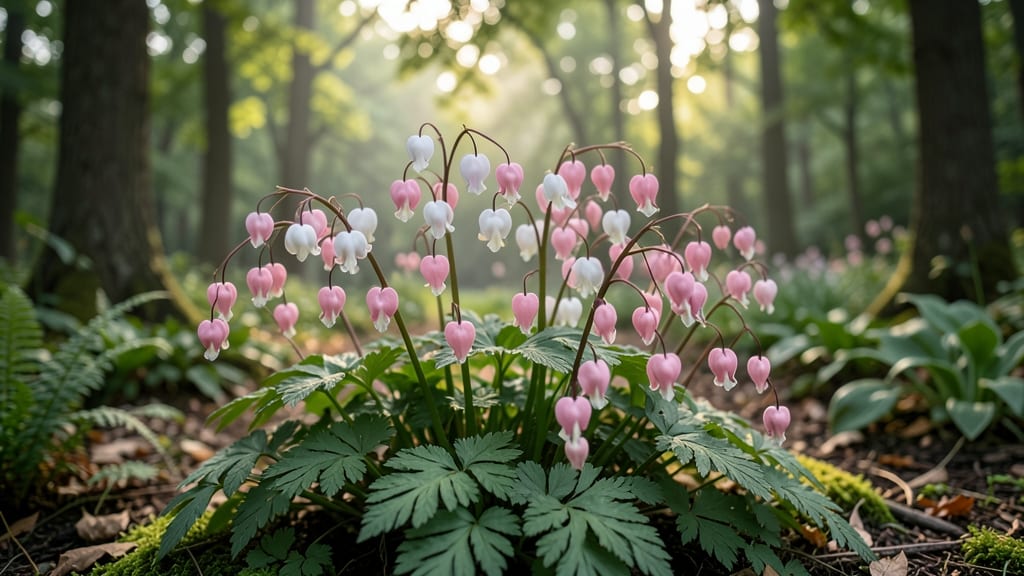
If you dream of a woodland garden border that feels magical without the upkeep, bleeding heart (Dicentra spectabilis) is your answer. This Zone 4-hardy perennial delivers romantic, heart-shaped blooms in soft pink and white, thriving where other plants struggle—under trees with dappled shade.
Plant bleeding heart in moist, well-draining soil in early spring or fall, spacing clumps 18-24 inches apart. The secret to its longevity? Minimal pruning—simply cut back faded foliage in late summer to encourage next year’s growth. Bonus: Its delicate flowers attract hummingbirds early in the season, making it a pollinator magnet when few other plants are blooming.
Perfect for beginners or busy gardeners, bleeding heart naturalizes effortlessly, spreading gradually to form lush, self-sustaining colonies. Once established, it’s nearly indestructible—ideal for those who want beauty with almost no effort. 🌷
Hostas with Lavender and Blue Flower Varieties
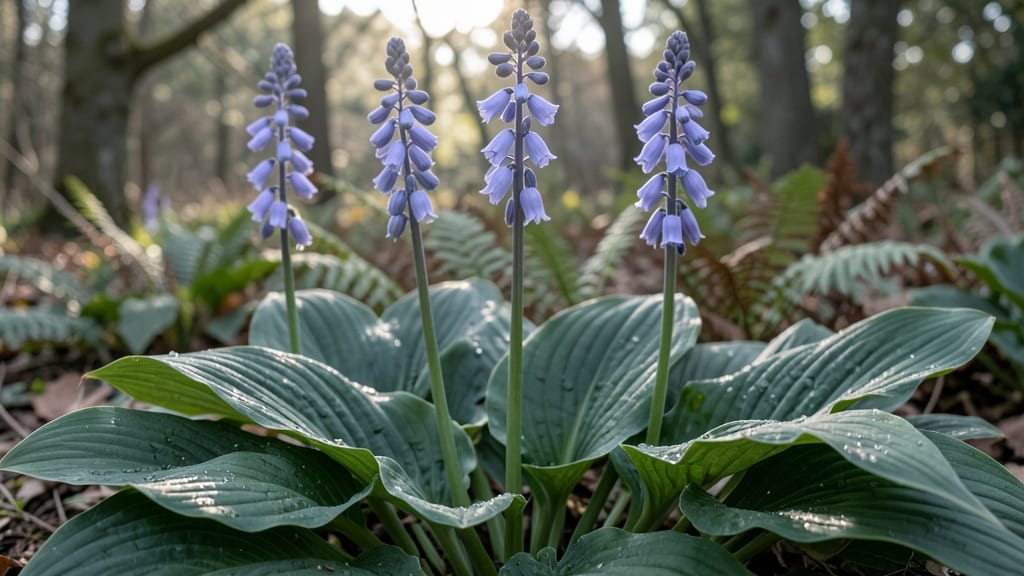
Looking to add drama to your shady borders without sacrificing cold hardiness? Hostas with lavender and blue flower varieties deliver both striking foliage and late-summer height with their towering flower spikes—perfect for Zone 4 winters when most perennials have gone dormant.
Varieties like Hosta 'Halcyon' (with lavender blooms) or Hosta 'Blue Angel' (deep blue-green leaves) thrive in partial to full shade and tolerate Zone 4's harsh winters. Their flower spikes reach 3-4 feet tall, providing vertical interest that contrasts beautifully with lower-growing perennials. Simply deadhead spent blooms in fall and mulch heavily to protect roots during winter.
These hostas are ideal for gardeners who want year-round interest—their foliage stays attractive even after blooms fade, and they multiply slowly over time. Perfect for urban gardeners with limited space or those creating layered shade borders. 💚
Astilbe with Feathery Plume Flowers
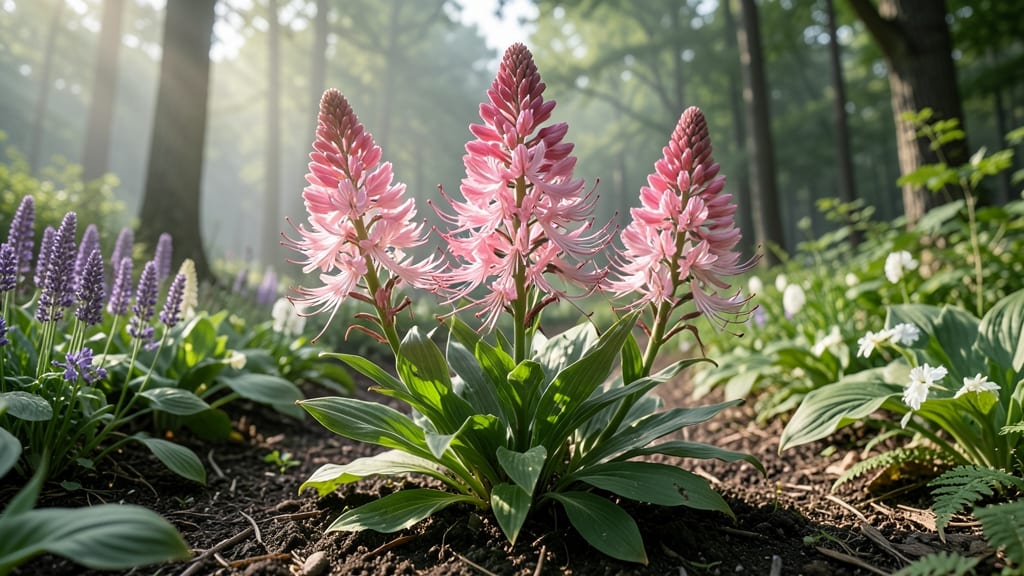
Looking for a shade-loving perennial that delivers bold color without demanding constant watering? Astilbe is your answer—these feathery plumes thrive in moist but well-drained soil while becoming surprisingly drought-tolerant once established.
Available in shades of pink, red, white, and lavender, astilbe blooms from midsummer to early fall, adding vertical interest to woodland gardens or pond edges. They prefer partial to full shade and tolerate Zone 4 winters beautifully, making them a reliable choice for low-maintenance gardeners.
Perfect for gardeners who want striking blooms with minimal fuss, astilbe pairs well with hostas and ferns for a lush, layered shade effect. 🌻
Hellebores for Early Spring Blooms
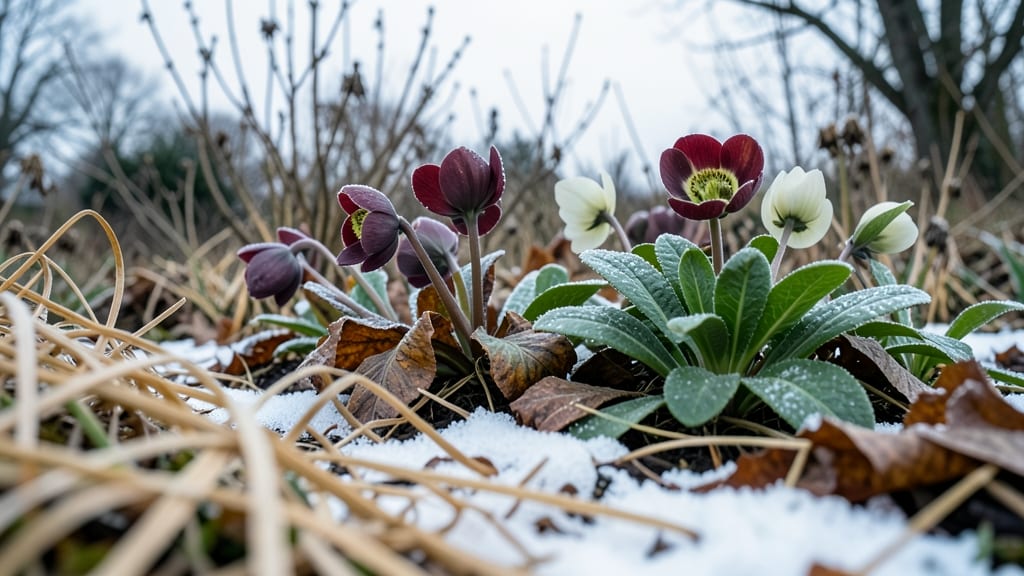
When your garden looks like a blank canvas after winter, hellebores step in as the unsung heroes of early spring. These winter-hardy perennials (also called Lenten roses) bloom through snow and continue flowering into spring, often when few other perennials are active.
Plant hellebores in partial to full shade with well-draining soil—they thrive in Zone 4 winters and even tolerate light frost on their blooms. Their nodding flowers come in shades of white, pink, purple, and green, adding unexpected color to shady corners. Deadhead spent blooms to encourage more flowers, but otherwise, they’re low-maintenance and deer-resistant.
Perfect for beginners or gardeners who want year-round interest, hellebores provide striking foliage even when not in bloom. Their slow-spreading habit makes them ideal for borders, woodland gardens, or as understory plants. 🌱
Coral Bells with Unique Foliage Patterns
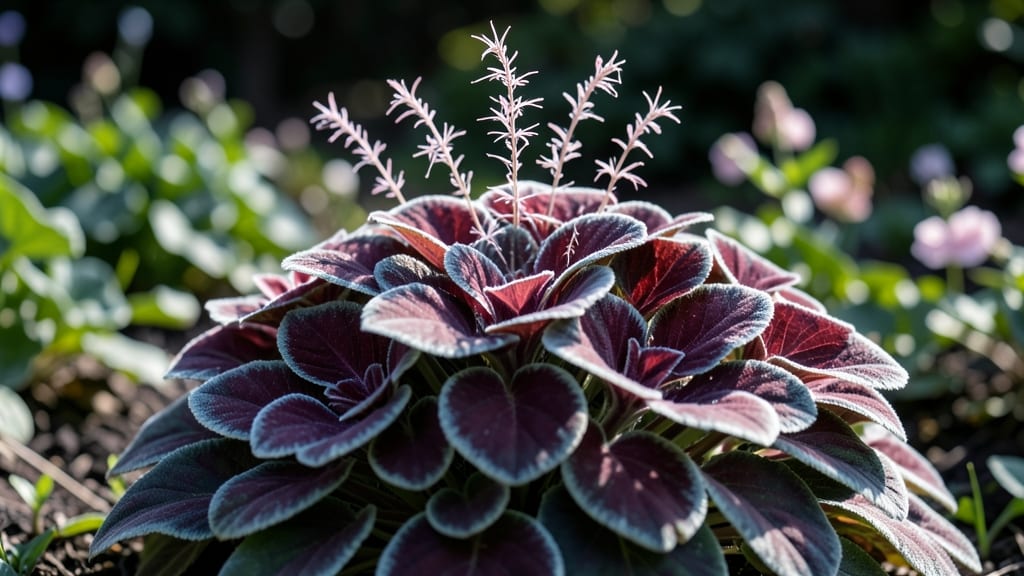
Looking for a shade-loving plant that delivers both bold foliage and delicate blooms? Coral bells (Heuchera) are the ultimate multitaskers, offering vibrant leaves in purples, silvers, and deep greens that stay stunning all season, plus airy flower spikes in spring. Their compact size makes them ideal for containers, rock gardens, or woodland edges—perfect for adding color where sunlight is scarce.
These Zone 4-hardy perennials thrive in partial to full shade and tolerate dry soil once established, though they’ll reward you with more vibrant foliage in moist, well-draining soil. Choose varieties like 'Palace Purple' for dramatic foliage or 'Berry Smoothie' for a mix of colors. Deadhead spent blooms to encourage more flowers, and divide clumps every 3-4 years to keep them vigorous.
Urban gardeners and small-space enthusiasts will love how coral bells brighten patios and balconies, while woodland gardeners can use them to edge paths or fill gaps under trees. Their year-round interest makes them a low-maintenance star for any shade garden. 💚
Japanese Painted Fern for Textured Shade
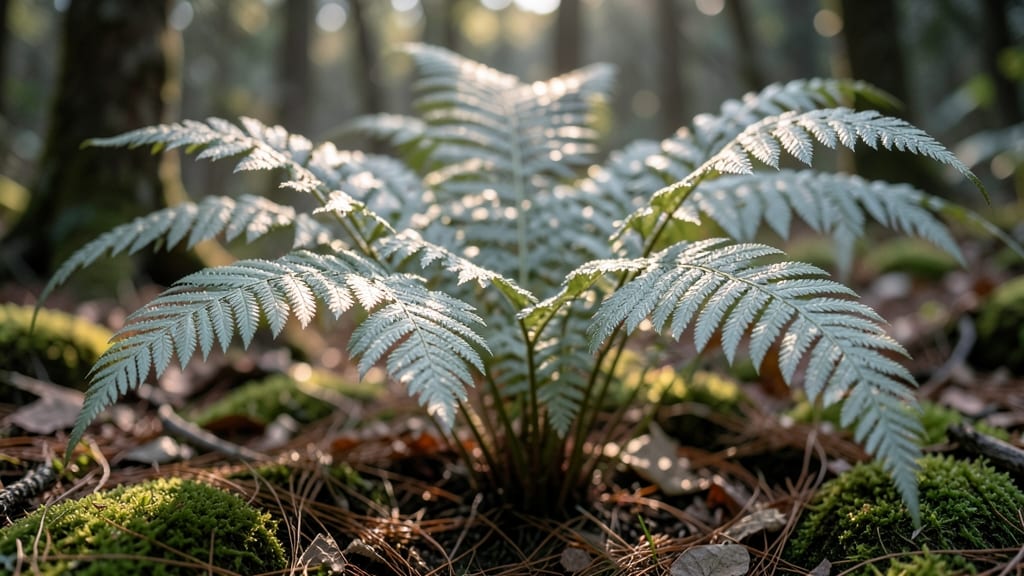
Want to add textural drama to your shade garden without fuss? The Japanese painted fern (Athyrium niponicum var. pictum) delivers year-round interest with its silvery-green fronds that shimmer like moonlight through the trees. Unlike many perennials that fade in winter, this Zone 4-hardy fern stays evergreen, providing structure and color even when snow blankets the ground.
Thriving in moist, well-draining soil under trees or in woodland gardens, it prefers partial to full shade and tolerates humidity better than most ferns. For best results, mulch around the base to retain moisture and protect roots during winter. Its slow-spreading habit makes it perfect for edging paths or filling gaps between larger plants without becoming invasive.
Ideal for gardeners who love low-maintenance texture, this fern pairs beautifully with hostas, hellebores, or bleeding heart for a lush, layered shade effect. Its arching fronds create movement in still gardens, making it a standout for woodland-inspired designs. 🌿
Lungwort with Unique Spotted Leaves
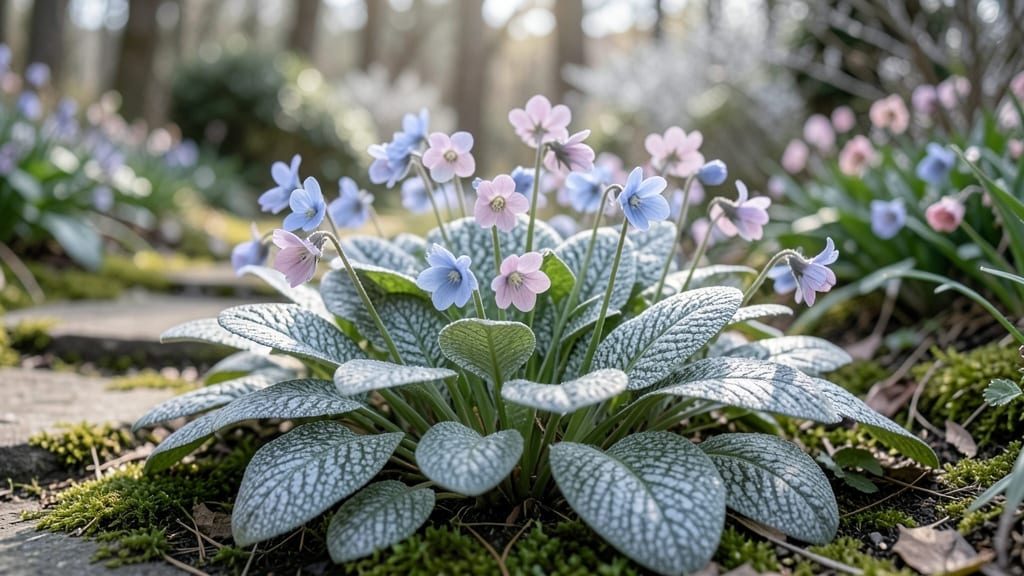
Want a shade perennial that’s as medicinal as it is beautiful? Lungwort (Pulmonaria) delivers with its signature silver-spotted leaves and early spring blooms in soft blue or pink, making it a standout for woodland gardens and cottage-style beds.
This Zone 4-hardy perennial thrives in partial shade with moist, well-draining soil, spreading gradually over time to form lush colonies. Its unique foliage provides year-round interest, while the delicate flower spikes attract early pollinators. Simply cut back faded blooms in summer to encourage fresh growth—no fuss required!
Perfect for herbalists or gardeners who love dual-purpose plants, lungwort’s medicinal history (traditionally used for respiratory health) adds an extra layer of intrigue. Its slow-spreading habit makes it ideal for borders or understory plantings. 🌱
Sweet Woodruff for Ground Cover
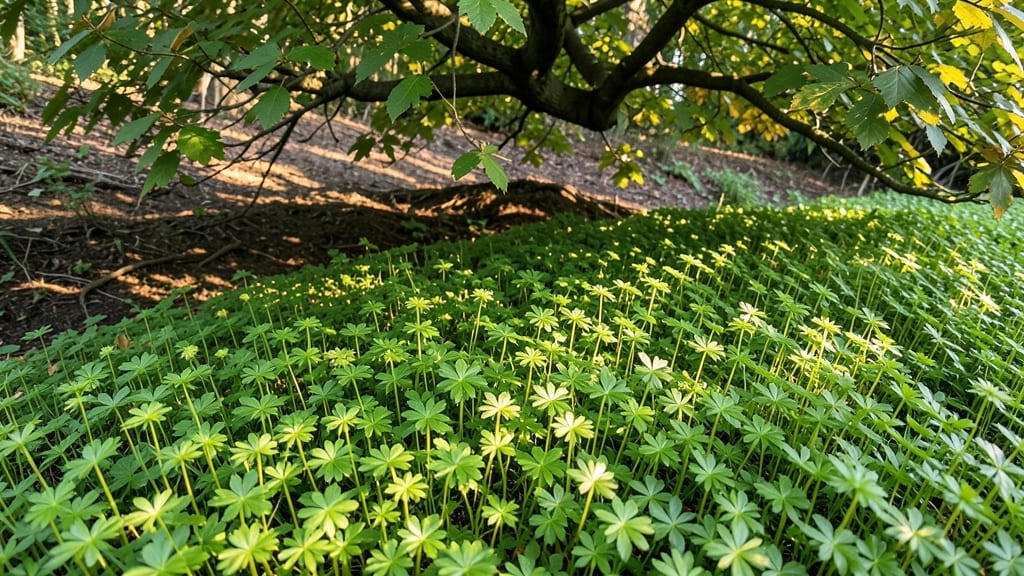
Tired of bare spots under trees where nothing seems to grow? Sweet woodruff (Galium odoratum) transforms those forgotten corners into a fragrant, living carpet. This Zone 4-hardy ground cover thrives in deep shade where most plants struggle, spreading gently to create a lush, self-sustaining mat that suppresses weeds naturally.
In early spring, it bursts with delicate white star-shaped flowers that attract pollinators, followed by a sweet, vanilla-like scent when leaves are crushed—a sensory treat for gardeners. Plant it in well-draining soil with organic matter and water regularly until established. Once settled, it needs almost no care beyond occasional trimming to control spread.
Perfect for woodland gardeners or those with dense tree canopies, sweet woodruff adds both beauty and fragrance without the upkeep of high-maintenance perennials. Its slow-spreading habit makes it ideal for borders or understory planting where you want coverage without competition. 💚
Toad Lilies with Dramatic Spikes
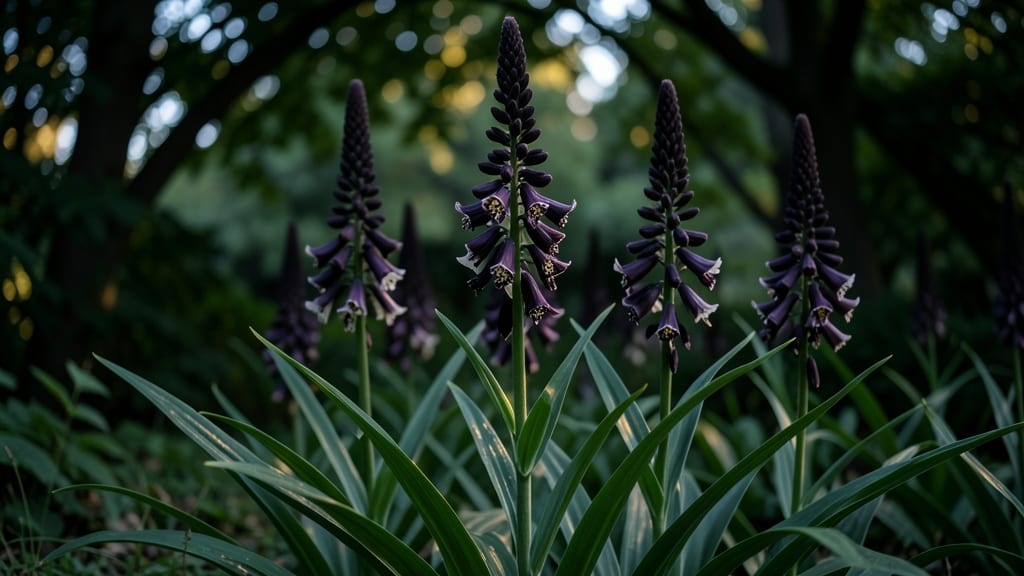
Craving a dramatic late-season statement in your shade garden? Toad lilies (Tricyrtis) deliver with their tall, spiky flower spikes that rise like dark magic from lush foliage, blooming from late summer through fall when most perennials have faded. This deer-resistant stunner thrives in partial shade—perfect for cottage gardens where you want height without sacrificing cold hardiness.
Plant toad lilies in rich, well-draining soil with morning sun and afternoon shade, spacing clumps 12-18 inches apart. Their moisture-loving roots appreciate mulch to retain humidity, and they’ll reward you with fragrant, lantern-like blooms in shades of purple, white, or pink. Unlike many shade plants, they continue flowering into autumn, extending your garden’s season with minimal effort.
Ideal for gardeners who love low-maintenance drama, toad lilies pair beautifully with hostas or ferns for a woodland-inspired border. Their vertical spikes create focal points that draw the eye, making them a secret weapon for adding height to shady corners. 🌻
Solomon's Seal for Arching Foliage

If you want a shade-loving perennial that adds movement and elegance to your garden with almost no effort, Solomon's Seal (Polygonatum) is your answer. Its arching stems create natural arches and cascades, while delicate white bell-shaped flowers dangle like tiny lanterns in early summer, followed by striking blue-black seed pods in fall that add winter interest.
This Zone 4-hardy plant thrives in partial shade and tolerates a range of soil types, from clay to loam, as long as it's well-draining. Plant in spring or fall, spacing clumps 18-24 inches apart—they spread slowly over time, making them perfect for understory planting without becoming invasive. Their low-maintenance nature means you only need to prune back old stems in early spring to keep the plant tidy.
Ideal for gardeners who love textural plants with seasonal interest, Solomon's Seal pairs beautifully with ferns, hostas, or bleeding heart for a lush, layered shade effect. Its arching habit also makes it perfect for woodland gardens or as a natural screen along property lines. 🌿