
Plants
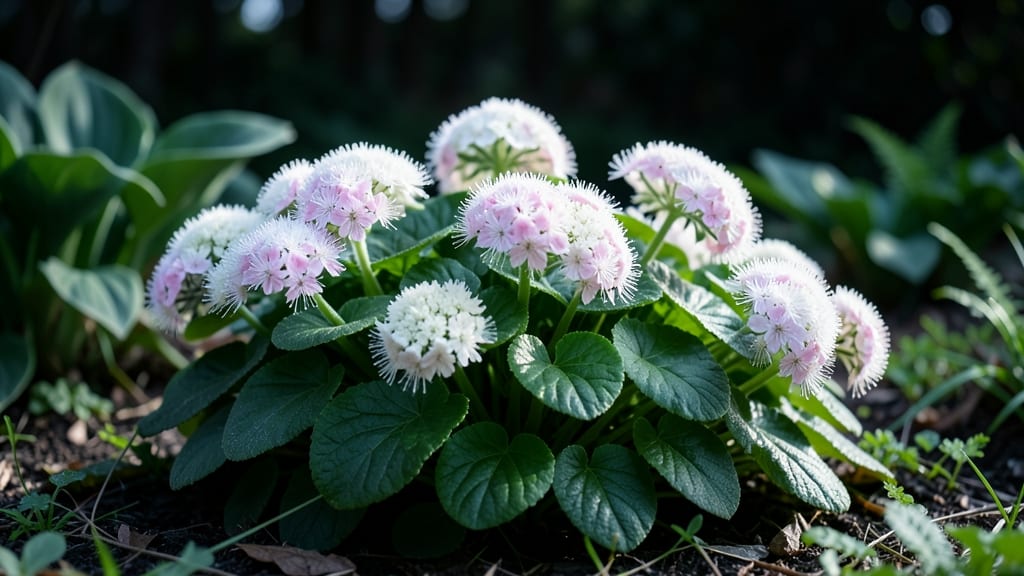
Struggling to keep your shade garden vibrant? These 10 shade-loving perennials thrive in Zone 9’s deep shadows, offering year-round color with minimal effort. Perfect for under trees, north-facing walls, or dense foliage, these blooms defy the odds with their hardiness and beauty.
Hosta Varieties with Blue-Green Foliage
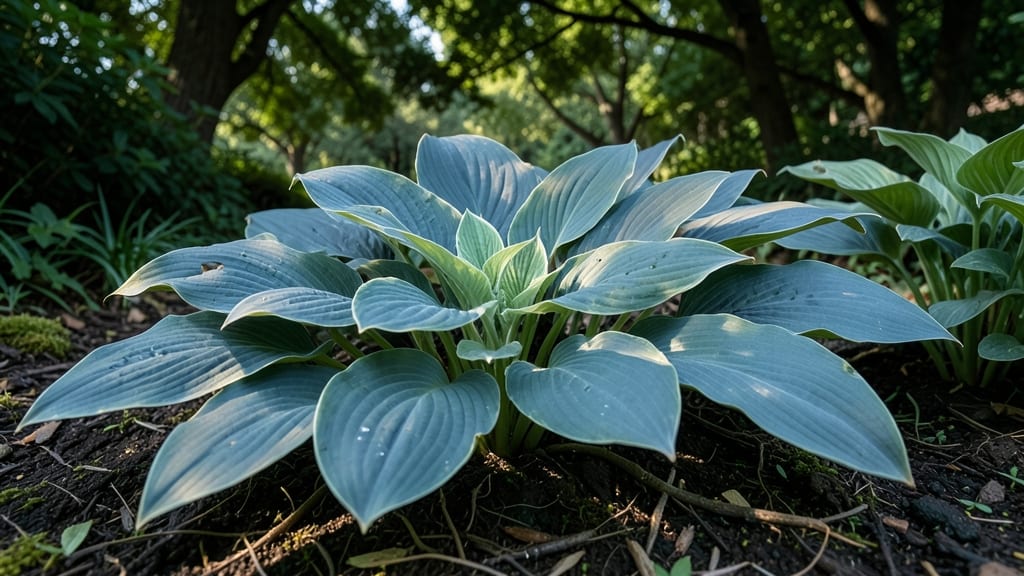
If your shade garden feels like a forgotten corner, hosta varieties with blue-green foliage are your secret weapon. These plants thrive in deep shade and even soggy soil, turning dull spaces into lush, textured focal points that outshine most blooms.
Look for varieties like 'Blue Angel' or 'Halcyon'—their broad, ribboned leaves create dramatic contrast against darker foliage or mulch. They’re deer-resistant and tolerate Zone 9’s heat once established, making them ideal for understory planting. For extra drama, pair them with lavender blooms in summer.
Perfect for beginners or busy gardeners, these hostas demand minimal care while delivering year-round interest. Plant them in clusters for maximum impact—your shade garden will thank you! 🌿
Bleeding Heart Plant (Dicentra Spectabilis)
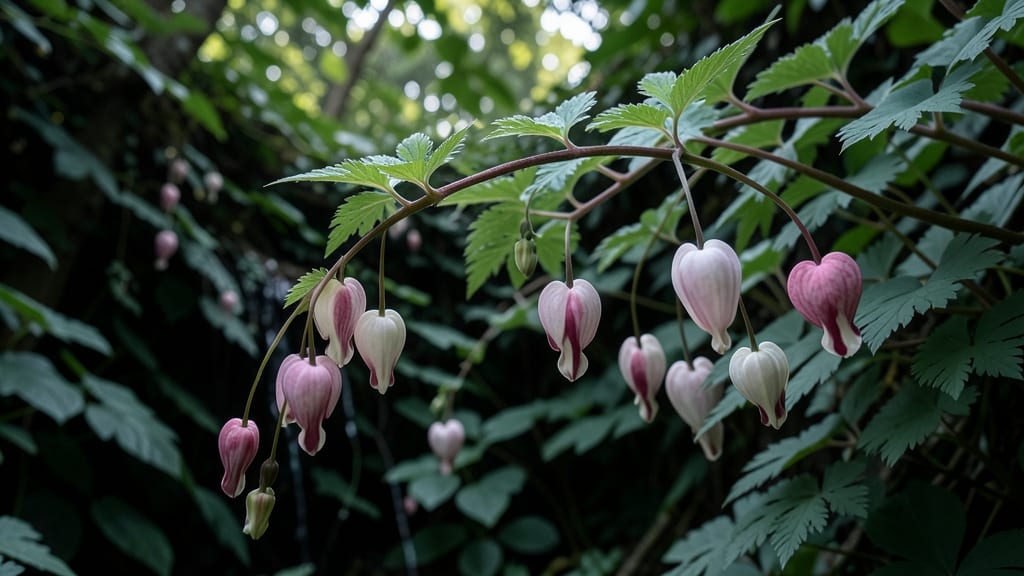
Tired of shade gardens that feel flat and forgotten? The bleeding heart plant (Dicentra spectabilis) brings romantic charm with its delicate, heart-shaped blooms that spill like a waterfall from arching stems. This classic shade perennial thrives where others struggle, turning dull corners into lush, dreamy displays.
Plant it in moist but well-drained soil under deciduous trees or along borders, where it’ll reward you with months of blooms from spring through early summer. The fern-like foliage stays attractive even after flowers fade, and its 3-4 foot height makes it a standout in woodland gardens. Just keep it consistently moist—dry spells cause the plant to go dormant.
Perfect for gardeners who love low-maintenance elegance, bleeding heart pairs beautifully with hostas and ferns. It’s also deer-resistant, making it a practical choice for rural or suburban shade gardens. 🌷
Japanese Painted Fern (Athyrium Niponicum)
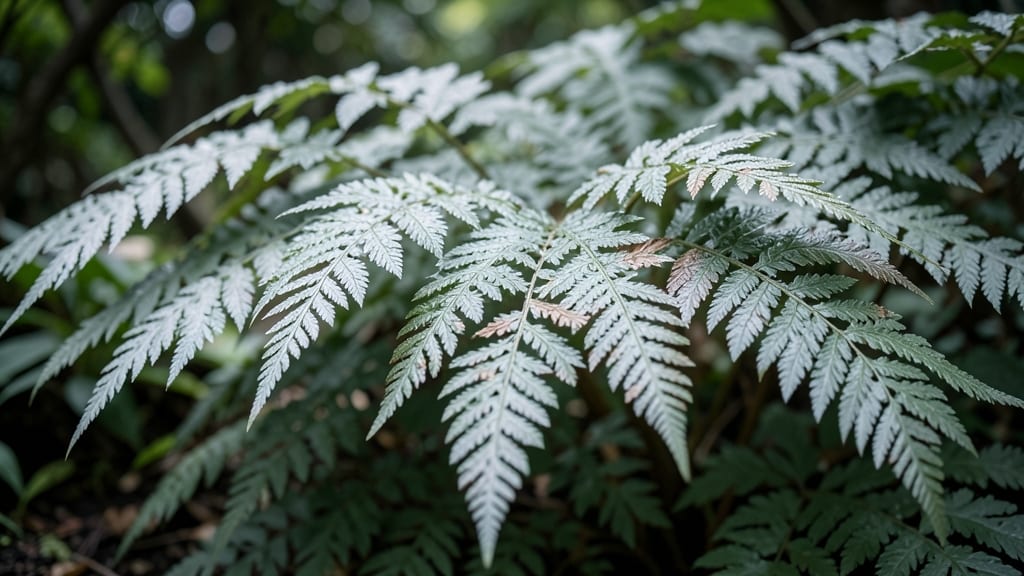
Tired of shade gardens that look dull and lifeless? The Japanese Painted Fern (Athyrium niponicum) transforms dry, shadowy corners into a textured masterpiece with its silver-and-green fronds that shimmer like delicate lace. Unlike many shade plants, it thrives in dry conditions once established, making it the perfect solution for under trees where moisture is scarce.
This drought-tolerant fern grows 18-24 inches tall with arching fronds that create natural movement in still air. It prefers partial to full shade and well-drained soil, though it’s forgiving about poor soil quality. For best results, mulch around the base to retain minimal moisture and protect roots from summer heat. Its year-round interest makes it a standout even when other plants fade.
Perfect for urban gardeners, woodland enthusiasts, or anyone with tricky dry-shade spots, this fern adds architectural elegance without demanding attention. Plant it in groups of three or more for maximum visual impact. 🌿
Lungwort (Pulmonaria Officinalis)
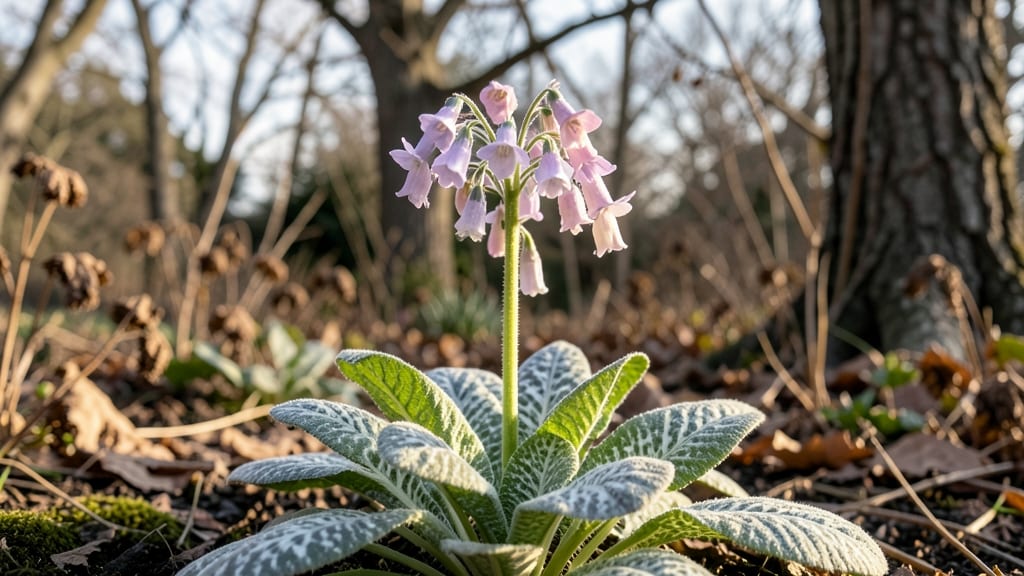
When your shade garden feels like it’s taking a winter nap, lungwort (Pulmonaria officinalis) bursts onto the scene as one of the first perennials to bloom in early spring. Its spotted silver-green foliage and delicate pastel flowers bring color to dark corners when little else is awake, making it a true shade hero.
This hardy plant thrives in both wet and dry conditions, tolerates poor soil, and even handles light foot traffic—perfect for gardeners who want low-maintenance beauty. Plant it in partial to full shade and watch it spread slowly over time, creating lush ground cover that stays vibrant year-round. The foliage’s unique silver spots add texture to borders or woodland gardens.
Ideal for beginners and busy gardeners, lungwort requires almost no fuss once established. Pair it with hostas or ferns for a layered, low-light garden that feels alive from spring through fall. 🌿
Coral Bells (Heuchera Varieties)
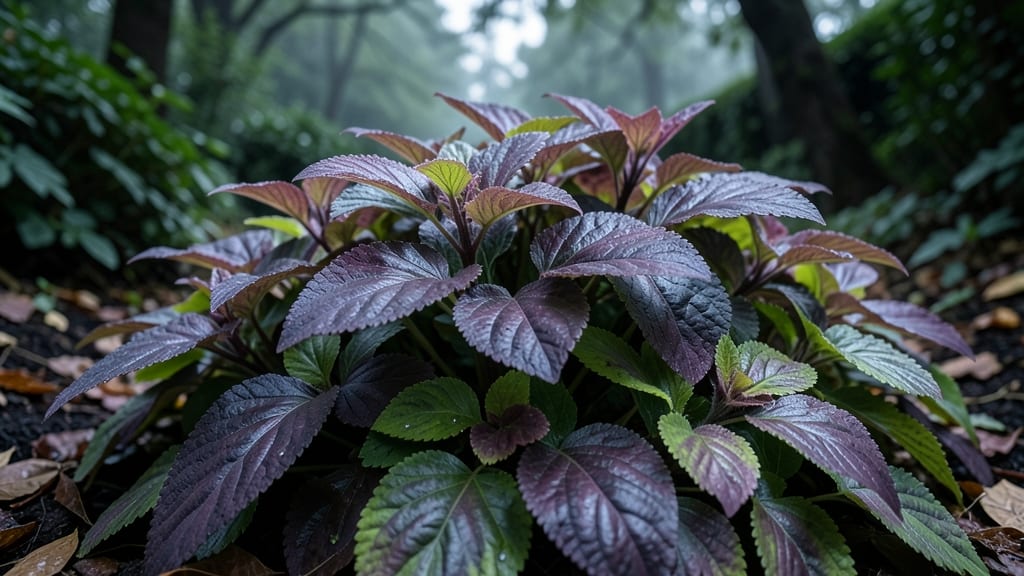
Tired of shade gardens that look dull and lifeless? Coral bells (Heuchera) bring bold color and texture to dark corners with their vibrant foliage in shades of purple, silver, or lime green—no sunlight required. These low-maintenance perennials thrive in partial to full shade and even handle dry spells once established, making them ideal for Zone 9’s hot, dry summers.
With compact growth (12–18 inches tall), they’re perfect for containers, window boxes, or edging shady pathways. Plant them in well-draining soil and mulch to retain moisture. Varieties like 'Palace Purple' or 'Lime Rickey' add dramatic contrast to hostas or ferns, while delicate flower spikes in spring provide a subtle bonus. Their velvety leaves stay vibrant year-round, offering seasonal interest without the fuss.
Urban gardeners and container lovers will adore coral bells—they’re the secret weapon for brightening dark spots with minimal space. Plus, their deer resistance makes them a hassle-free choice for problem-prone gardens. 🌿
Toad Lily (Tricyrtis Hirta)
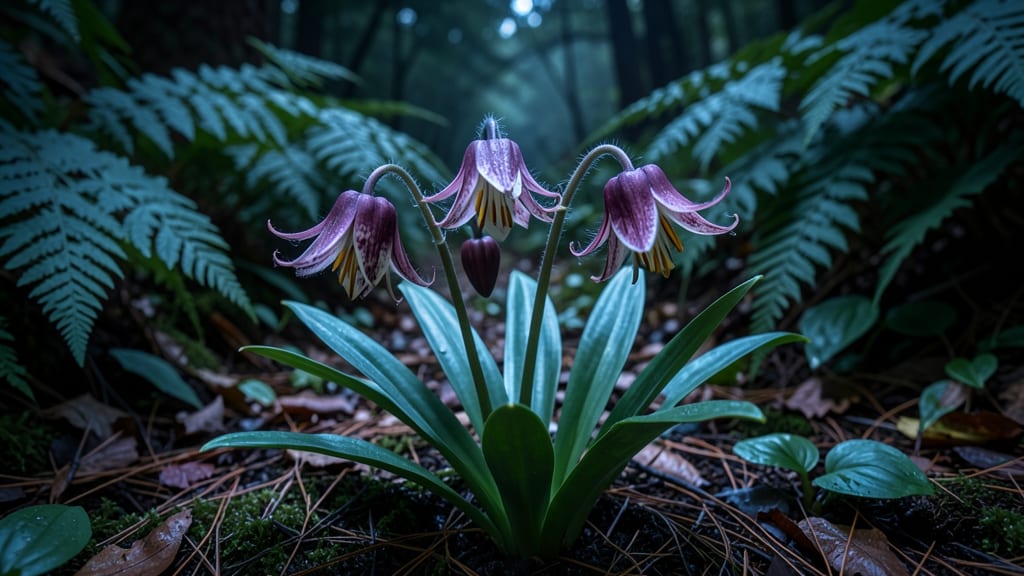
When most perennials call it quits by late summer, Toad Lily (Tricyrtis hirta) steps in with its exotic, spider-like blooms that feel like a secret from the forest floor. This underrated gem thrives in the deepest shade where few plants dare to grow, making it the perfect partner for your woodland garden's quiet corners.
Plant it where others refuse to go—under dense canopies or along north-facing walls—where its dark purple flowers will contrast beautifully against mossy green leaves. Toad Lily prefers moist, well-drained soil and benefits from a thick mulch layer to maintain humidity. The real magic happens in late summer to fall when it blooms, attracting hummingbirds and bees that love its nectar-rich flowers.
This is the plant for gardeners who want year-round interest without the fuss—it's deer-resistant, thrives in Zone 9's heat once established, and spreads slowly to create natural drifts. Perfect for creating that "wild garden" feel while keeping maintenance minimal. 🌷
Solomon’s Seal (Polygonatum Odoratum)
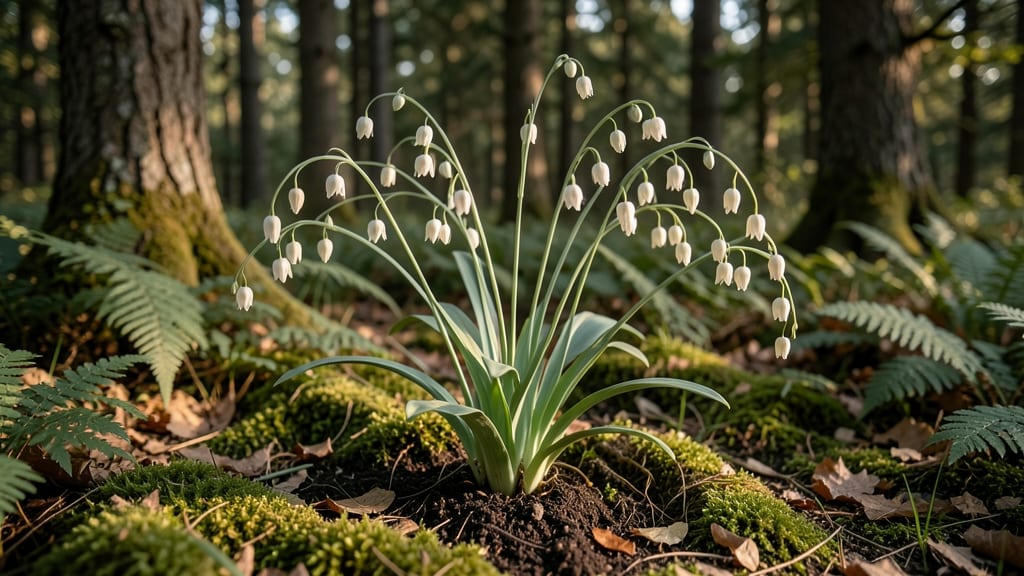
Want to add elegance without effort to your shade garden? Solomon’s Seal (Polygonatum odoratum) delivers arching, graceful stems that dangle delicate white flowers like tiny bells, creating a natural, woodland feel. Unlike many shade plants, it thrives in dry conditions and spreads slowly—ideal for understory planting where you don’t want invasive roots.
This perennial’s glossy, lance-shaped leaves stay vibrant year-round, while its spring-to-early summer blooms attract hummingbirds. Plant it in partial to full shade and well-drained soil—it’s drought-tolerant once established, making it perfect for Zone 9’s hot, dry summers. For a whimsical touch, let it naturalize along fences or under trees where its vertical movement softens harsh lines.
Perfect for woodland gardeners, pollinator lovers, and low-maintenance enthusiasts, Solomon’s Seal adds textural depth with minimal upkeep. Pair it with ferns or hostas for a layered, dreamy shade garden that feels alive from spring through fall. ✨
Astilbe (Astilbe Simplicifolia)
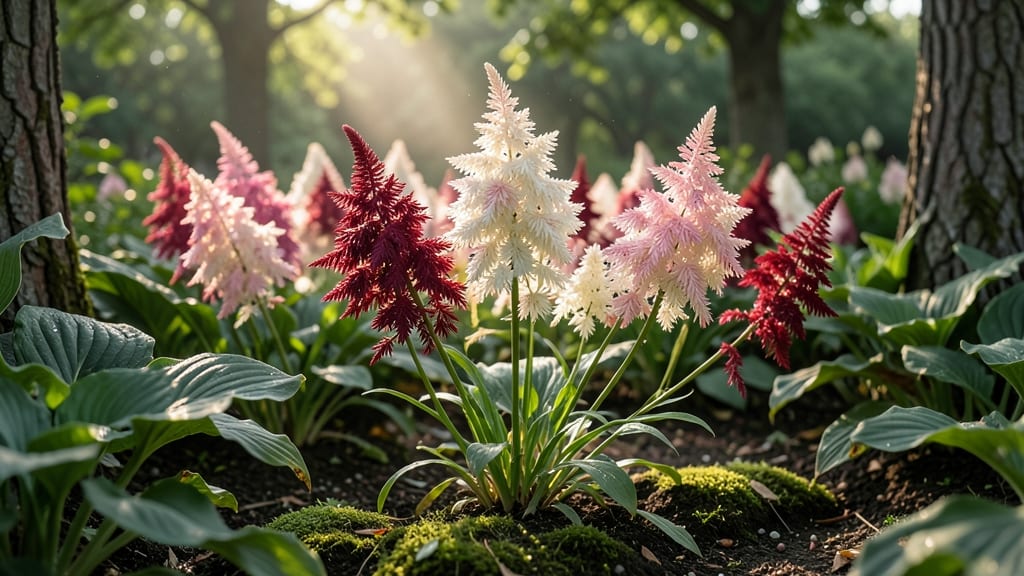
If your shade garden feels like it’s missing a burst of color, Astilbe (Astilbe simplicifolia) delivers soft, feathery plumes in shades of pink, white, or red that dance in the breeze. Unlike many shade plants, it thrives in moist, humid conditions—perfect for under trees or along shady borders where others struggle.
This clump-forming perennial grows 1-4 feet tall and blooms from late spring to early summer, with some varieties reblooming in fall. To keep it looking its best, cut back the old foliage in early spring before new growth emerges—this prevents flopping stems and encourages bushier, more vibrant blooms. Mulch around the base to retain moisture, especially in Zone 9’s hotter months.
Ideal for cottage gardens, woodland edges, or containers, Astilbe adds romantic texture without demanding attention. Pair it with hostas or ferns for a layered, dreamy shade garden that feels alive all season. 🌷
Sweet Woodruff (Galium Odoratum)
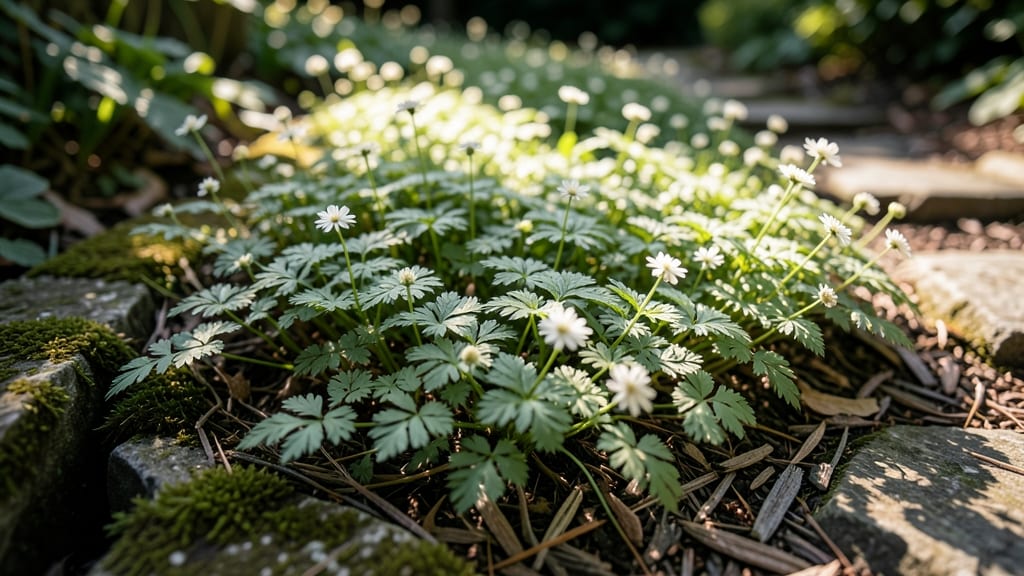
If you’ve ever walked past a shady garden path and wished for a fragrant surprise, sweet woodruff (Galium odoratum) is your answer. This delicate ground cover thrives in dry shade—where many perennials struggle—and rewards you with a vanilla-like scent when brushed against, turning ordinary pathways into sensory experiences.
With its star-shaped white flowers and trailing stems, sweet woodruff spreads gently to crowd out weeds while staying low enough to avoid trampling. Plant it in partial to full shade along borders, under trees, or as a living mulch—it’s happiest in Zone 9’s cooler months but handles heat once established. For best results, keep soil moist during its first year, then let it fend for itself. Its spring blooms attract pollinators, and its evergreen foliage stays attractive year-round.
Perfect for gardeners who love low-maintenance charm, sweet woodruff is ideal for cottage gardens, woodland edges, or even containers. Its subtle elegance and fragrant magic make it a must-try for anyone who wants a multi-sensory shade garden. 🌿
Foamflower (Tiarella Cordifolia)

Looking for a shade-loving perennial that blooms when most gardens are still dormant? Foamflower (Tiarella cordifolia) is your early-season hero, delivering frothy white or pink blooms that dance above heart-shaped leaves as soon as spring arrives. This low-growing beauty thrives in Zone 9’s dry shade, making it perfect for filling gaps under trees or along borders where other plants struggle.
Plant it in well-drained soil and watch it spread gently to create a lush, textured carpet. Unlike moisture-loving perennials, foamflower tolerates dry conditions once established, though it appreciates occasional watering during its first year. Its spring blooms last for weeks, followed by attractive foliage that stays attractive through summer. For best results, pair it with ferns or hostas to create a layered, woodland-inspired look.
This is the ideal choice for gardeners who want low-maintenance beauty without the fuss. Perfect for urban courtyards, woodland gardens, or even container edges, foamflower brings early color and texture to shady spots that feel forgotten. 🌱