
Flowers
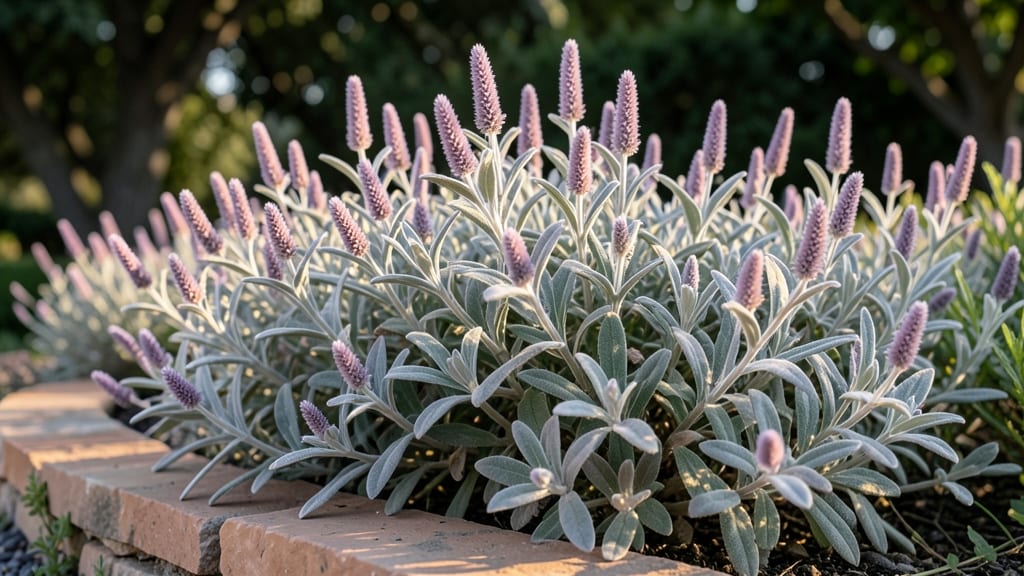
Texas shade gardens don’t have to be boring—these 10 heat-tolerant, drought-resistant perennials thrive in low-light spots while delivering vibrant blooms season after season. Perfect for North Texas, East Texas, or Hill Country landscapes, these shade lovers bring color without the fuss.
Blackfoot Daisy Thrives in Deep Shade
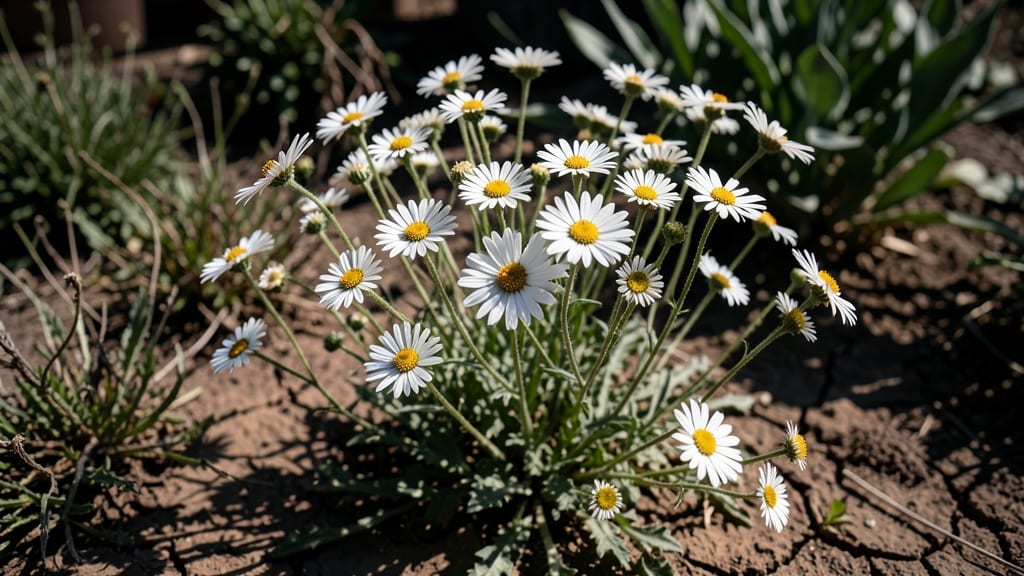
Tired of shade gardens that look dull and lifeless? The Blackfoot Daisy (Melampodium leucanthum) is Texas’s secret weapon for brightening up dark corners with its cheerful white daisies that bloom from spring until frost. This native wildflower thrives where others fail—even in deep shade and clay soil—making it perfect for understory plantings or pathways.
What sets it apart is its pollinator magnet status: bees and butterflies adore its nectar-rich blooms, while its low-growing habit (12–18 inches tall) makes it ideal for foot traffic areas like garden borders. Plant it in well-draining soil and water sparingly—it’s drought-tolerant once established. Deadhead spent blooms to encourage more flowers.
This hardy perennial is a must-have for beginners and urban gardeners with limited space. Its ability to handle tough conditions means less work for you and more blooms for pollinators. 🌱
Coral Bells Adds Colorful Foliage Year-Round
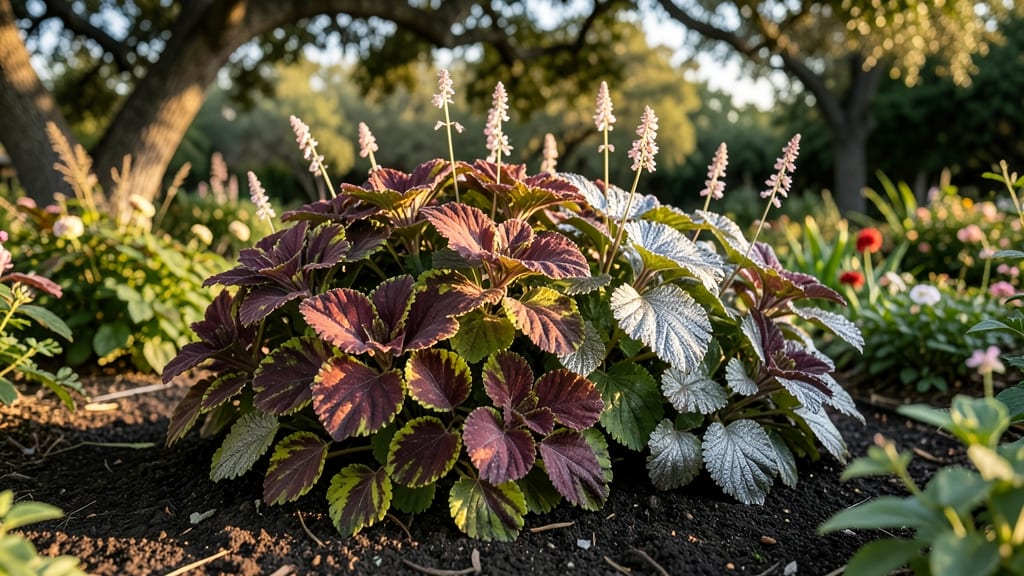
Want a shade garden that stays vibrant even when Texas heat peaks? Coral Bells (Heuchera) delivers year-round color with its striking foliage in burgundy, lime green, or silver—all while thriving in dappled shade where other plants wilt.
This heat-resistant perennial offers seasonal blooms (pink, white, or red flowers) on top of its foliage, creating textural contrast perfect for modern or cottage gardens. Varieties like 'Palace Purple' or 'Lime Rickey' add drama without demanding full sun. Plant in well-drained soil and water moderately—once established, they’re drought-tolerant.
Ideal for beginners and low-maintenance gardeners, Coral Bells pairs beautifully with ferns or hostas for layered shade beds. Their compact size makes them perfect for borders or container gardens. 🌟
Texas Bluebonnet Varieties for Partial Shade
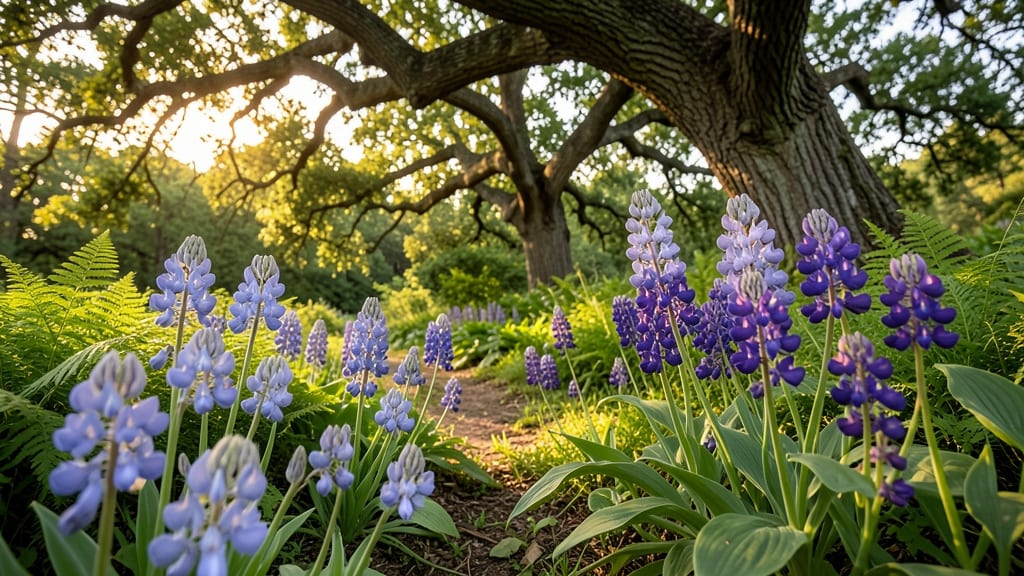
If you’ve ever dreamed of bluebonnets but assumed they needed full sun, think again—Blue Daze and Purple Haze are game-changers for partial shade. These adapted cultivars bloom just as vividly under oak trees or along shaded fences, where traditional bluebonnets would struggle.
Both varieties thrive in filtered light (3-6 hours of sun daily) and tolerate Texas’ alkaline soils. Plant them in well-drained areas in early fall for spring blooms, and enjoy their compact, bushy growth—ideal for naturalizing under trees or along driveways. They’re also deer-resistant, making them a low-stress choice for rural gardens.
Perfect for gardeners who want that iconic Texas bluebonnet look without the full-sun commitment, these cultivars bring color to often-overlooked shaded spots. 🌻
Japanese Iris Blooms with Bold Purple Flowers
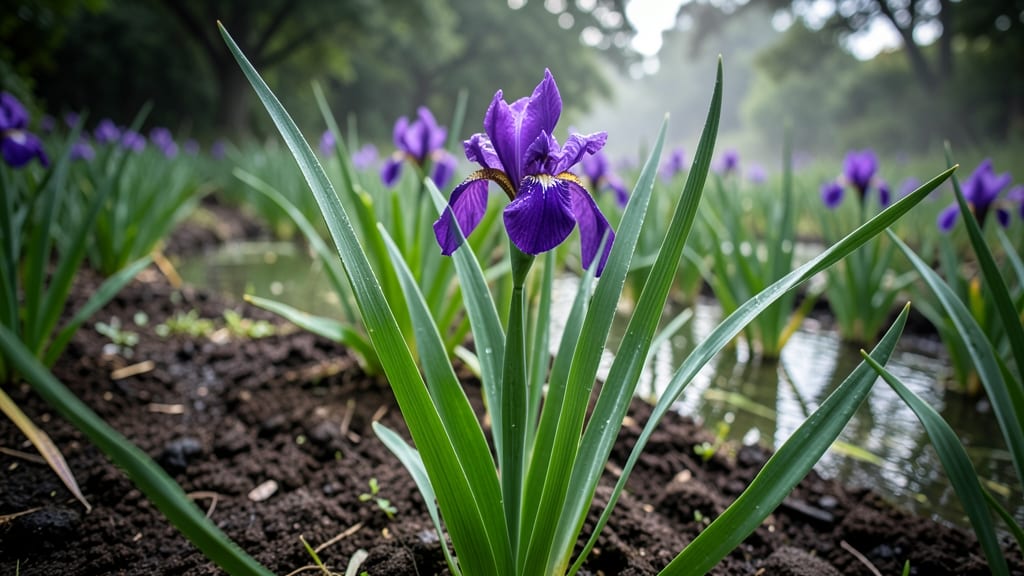
If your East Texas garden has damp spots that other plants avoid, Japanese iris is your secret weapon. This moisture-loving perennial thrives where others wilt, producing striking sword-shaped leaves and dramatic purple blooms in spring—perfect for rain gardens or pond edges.
Plant in rich, moist soil with partial shade, and watch it spread over time. The clusters of lavender-purple flowers (up to 6 inches wide) contrast beautifully with its glossy foliage. Varieties like 'Kodak Carousel' or 'Florence' are especially hardy for humid climates.
Gardeners with water features or soggy corners will love how this plant adds year-round structure while attracting pollinators. 🌻
Ligularia Provides Giant Summer Blooms
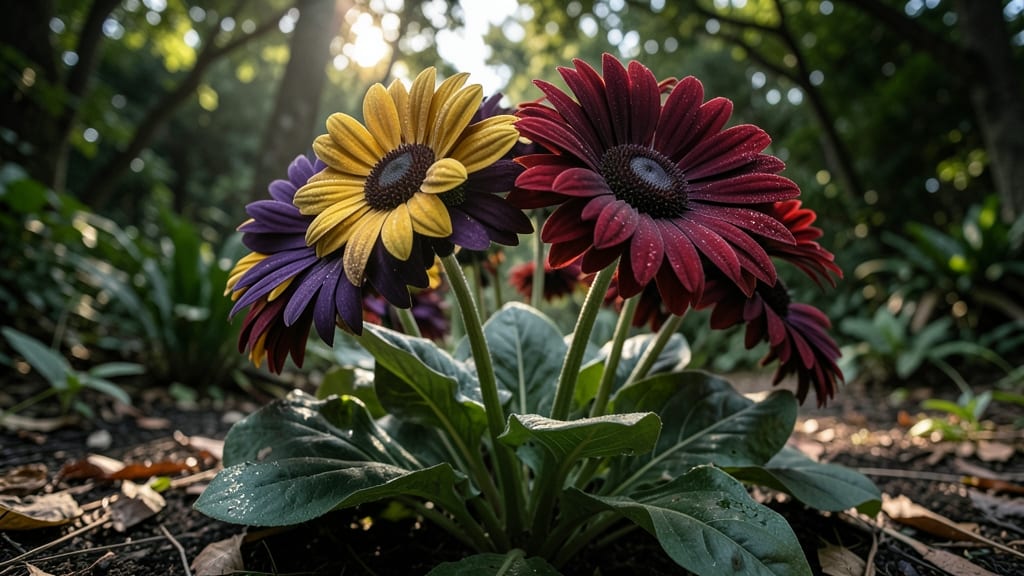
Want to make a bold statement in your shaded garden without sacrificing beauty? Ligularia delivers giant, show-stopping blooms in fiery gold, deep purple, or rich red—perfect for creating eye-catching focal points that thrive where other perennials fade.
These daisy-like flowers can reach 6-8 inches across, standing tall on sturdy stems (3-5 feet) that dominate borders while attracting butterflies. They love rich, moist soil and partial shade, making them ideal for East Texas' humid climate or North Texas' filtered light. Plant them in spring or early fall, spacing them 2-3 feet apart for maximum impact.
Gardeners with limited space or those craving drama will love Ligularia—it’s the perfect way to turn overlooked shaded corners into vibrant, pollinator-friendly statement pieces. ✨
Toad Lily Offers Unique Spidery Blooms
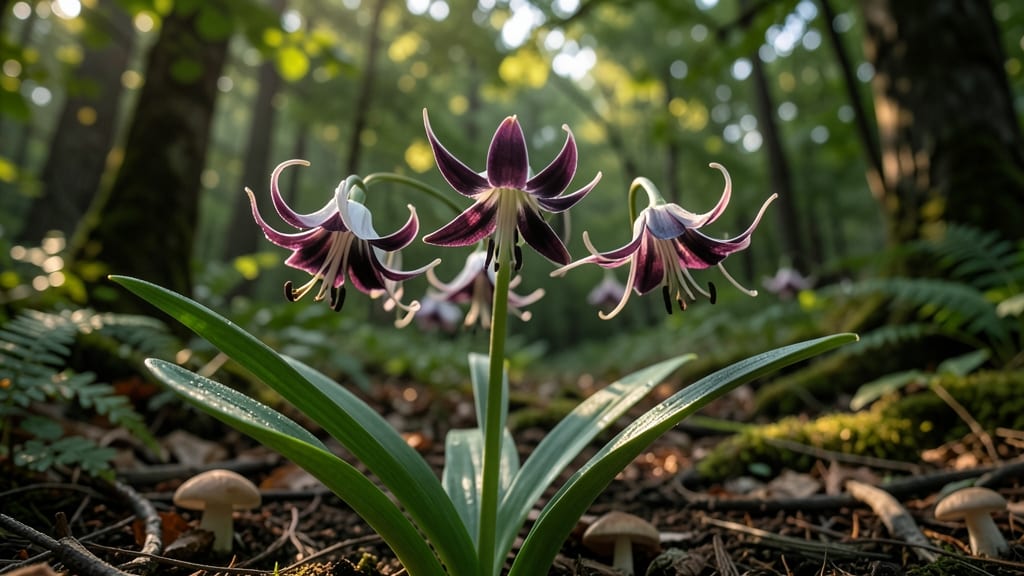
Looking for a shade plant that feels like a secret garden treasure? The Toad Lily (Tricyrtis) delivers unexpected drama with its spidery, deep purple or white blooms that emerge in late summer when most gardens are winding down.
This woodland native thrives in dappled shade and well-drained soil, producing striking flowers that resemble tiny orchids. The deer-resistant foliage remains evergreen in mild winters, adding year-round interest. Varieties like 'Miyoshi' or 'Rokujo' bring a whimsical touch to shady borders or woodland gardens.
Perfect for native plant collectors and gardeners who love late-season surprises, Toad Lily pairs beautifully with ferns and hostas for a lush, layered shade effect. Its unique blooms will have neighbors asking questions—and admiring your garden's hidden gems. 🌷
Hosta Varieties for Texas Shade Gardens
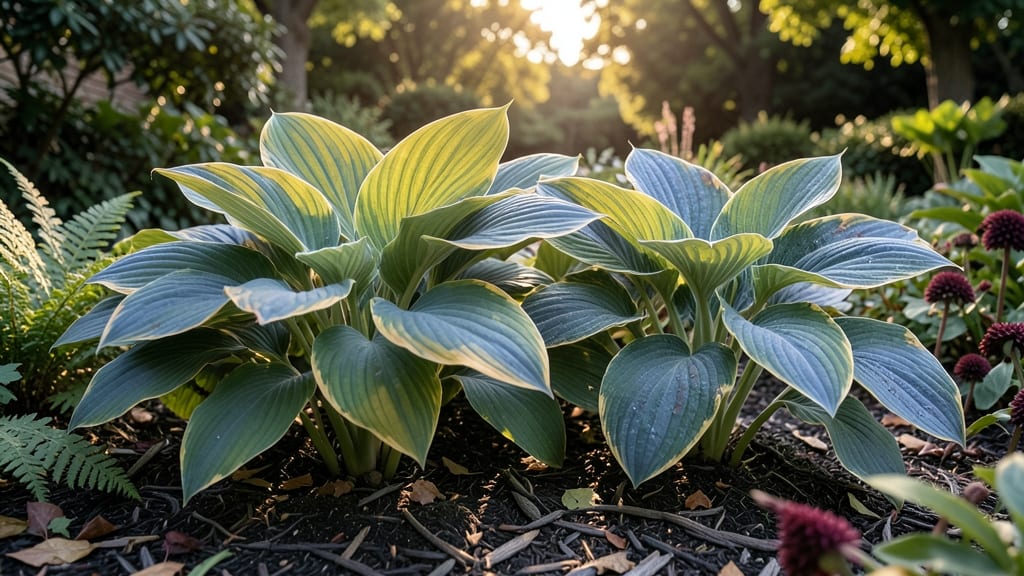
Tired of shade gardens that struggle under Texas heat? Hostas like 'Sum and Substance' or 'Francee' are the unsung heroes of low-maintenance shade—thriving where others wilt. These drought-tolerant cultivars boast large, textured leaves in stunning blue, gold, or green hues, perfect for grounding large trees or filling empty corners with drama.
Unlike traditional hostas that need constant moisture, these varieties handle Texas’ dry spells better, thanks to their thick, waxy foliage. Plant them in well-draining soil with a 2–3 inch layer of mulch to retain moisture, and watch them spread into lush ground covers (2–3 feet wide). Their bold leaves also provide a stunning backdrop for ferns or shade-loving perennials.
Best for gardeners who want impact without effort, these hostas are ideal for urban courtyards, woodland edges, or under oak canopies. Their deer-resistant foliage makes them a smart choice for rural properties too. 💚
Culver’s Root Stands Tall with Dramatic Spikes
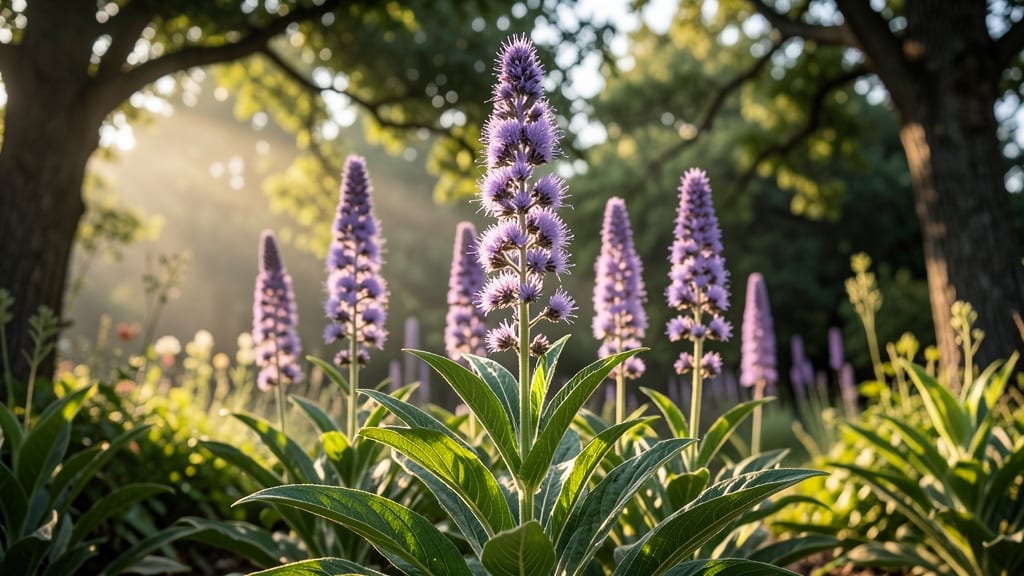
Looking for a Texas-native perennial that adds height and drama to your shade garden? Culver’s Root (Veronicastrum virginicum) stands out with its towering purple flower spikes that reach 4-6 feet tall, creating a stunning vertical accent in wildflower meadows or cottage garden borders.
This pollinator powerhouse thrives in dry shade and well-drained soil, making it perfect for understory plantings where moisture can be limited. Its late-summer to fall blooms provide nectar for bees and butterflies when other perennials are winding down. Simply cut back the foliage in early spring to encourage fresh growth—no fuss required.
Ideal for gardeners who love native plants and want to create naturalistic spaces, Culver’s Root pairs beautifully with Blackfoot Daisy or Toad Lily for layered texture. Its drought tolerance makes it a low-maintenance choice for Texas landscapes. 🌻
Bleeding Heart Delivers Romantic Spring Blooms
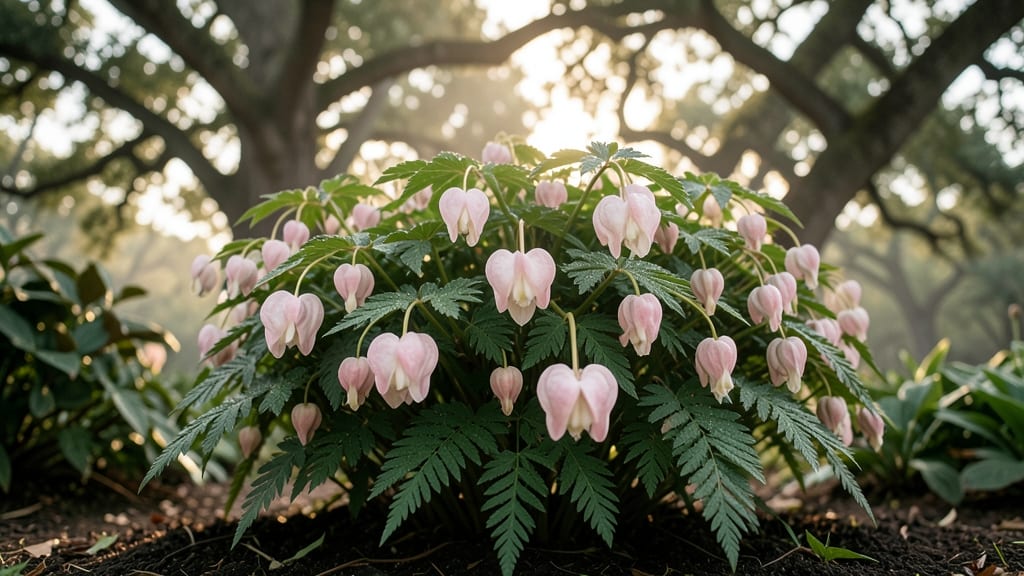
Craving a touch of old-world romance in your East Texas shade garden? Bleeding Heart (Dicentra spectabilis) delivers dreamy, heart-shaped pink or white blooms that cascade like confetti in spring—a perfect antidote to summer’s heat. This classic perennial thrives in the region’s humid climate, where it flourishes in dappled shade under oak trees or as a focal point beneath large shrubs.
Plant in well-draining, moist soil enriched with organic matter, and watch its fern-like foliage create lush backdrops for its delicate flowers. Varieties like 'Alba' (white) or 'Valentine' (deep pink) bloom prolifically from late spring to early summer, while 'King of Hearts' offers extra-large flowers. Mulch annually to retain moisture and suppress weeds—this plant rewards patience with three weeks of show-stopping color.
Ideal for cottage gardeners, woodland enthusiasts, or anyone who loves whimsical charm, Bleeding Heart pairs beautifully with ferns and hostas for a fairy-tale shade effect. Just remember: it’s tender in winter, so protect it with mulch in colder East Texas zones. 💚
Mexican Bush Sage Adds Vibrant Purple Foliage

Ready to add a modern, low-maintenance shrub that thrives where others fade? Mexican Bush Sage (Salvia leucantha) brings silvery-purple foliage and lavender flowers to your shade garden, offering year-round color without demanding full sun. This drought-resistant beauty handles full to partial shade beautifully, making it perfect for urban courtyards or understory plantings.
Plant in well-drained soil and water sparingly—once established, it’s nearly indestructible. The fragrant blooms (fall through winter) attract hummingbirds, while the textured foliage adds depth to modern landscapes. Prune lightly after flowering to maintain shape. Varieties like 'Midnight' or 'Beryl' offer deeper purple hues for dramatic contrast.
Ideal for city gardeners and minimalists, this shrub delivers pollinator-friendly beauty with almost no effort. 💚