
Light Requirements
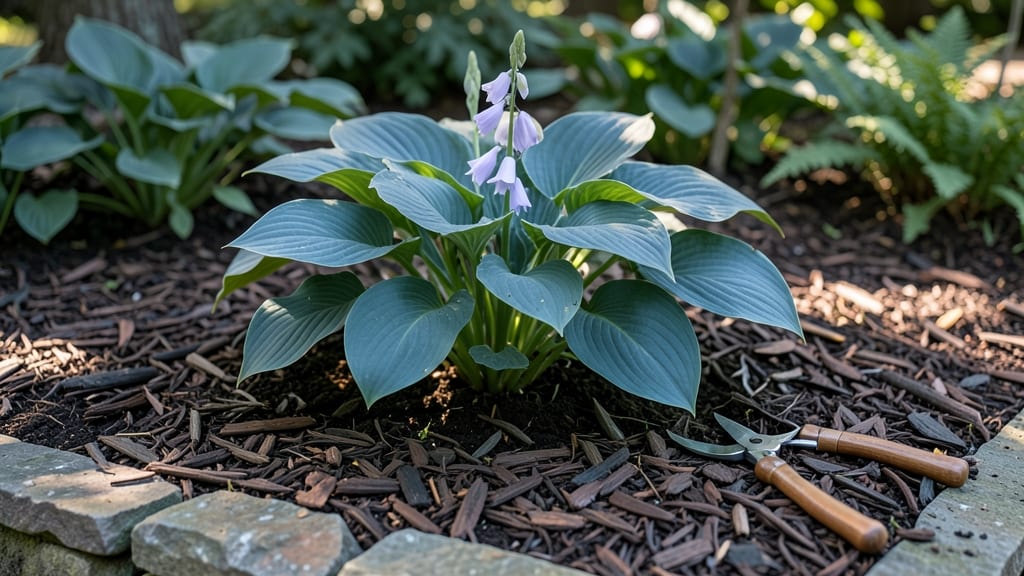
Part sun part shade perennials in Zone 6 are the unsung heroes of any garden—they deliver stunning blooms without the fuss of full-sun plants. 🌿 I’ve grown my fair share of finicky sun-lovers that wilted by mid-afternoon, only to discover these shade-tolerant perennials thriving where others fail.
The key lies in their ability to balance light exposure with cool-season resilience, making them perfect for northern gardens, woodland edges, or even under large trees.
Think hostas with chartreuse foliage, astilbes that dance in pink plumes, or heucheras with jewel-toned leaves—these plants don’t just survive in part shade; they outperform many sun-hungry varieties.
Most need 3–6 hours of morning sun and afternoon shade, with well-draining soil that stays slightly moist but never soggy. Pruning is minimal: deadhead spent blooms in early summer to encourage a second flush, and trim leggy foliage in late fall to keep plants tidy.
What you’ll get is a garden that stays lush from spring to frost, with minimal watering and almost no pests. Hostas deter slugs with their thick leaves, while astilbes attract pollinators without needing extra care.
Combine them with ferns, bleeding hearts, or lungwort for a layered, low-maintenance border that looks intentional, not labored.
Zone 6’s cooler summers mean fewer heat-stress struggles, but watch for powdery mildew on hostas—space them well and water at the base to prevent fungal issues. These perennials repay your patience with years of effortless blooms, proving that the best gardens often grow in the shadiest spots.
📚 In This Guide
- What you need
- Instructions
- Tips and common mistakes
- Wrapping up and next steps
What you need
- ● Perennial plants (Zone 6-hardy): 5–10 plants per variety (e.g., Hosta, Astilbe, Heuchera, Bleeding Heart, or Japanese Painted Fern). Check labels for part sun/part shade tolerance (4–6 hours of sunlight daily).
- ○ Well-draining soil: 1–2 bags of compost or peat moss (per 10 sq ft) to improve fertility and drainage. Optional: Perlite or vermiculite (1 part per 3 parts soil) for extra aeration.
- ● Mulch: 2–3 inches of organic mulch (e.g., shredded bark, pine straw, or leaf mold) to retain moisture and suppress weeds.
- ● Watering can or hose with a gentle spray nozzle (for delicate seedlings).
- ● Garden gloves (to protect your hands from thorns or rough foliage).
- ● Hand trowel or transplanting spade (for digging small holes).
- ● Garden fork (to loosen compacted soil before planting).
- ● Pruners or shears (for trimming dead foliage or shaping plants).
- ● Measuring tape or ruler (to space plants 12–36 inches apart, depending on variety).
- ○ Optional but handy: Soil pH test kit (to ensure your soil is 6.0–7.0, ideal for most perennials). Slow-release fertilizer (e.g., 10-10-10) for nutrient boosts. Drip irrigation system (for automated watering in drier spells).
- ● Sunlight assessment: Map your garden’s light conditions (use a sun/shade chart or observe for a week). Soil test: Check drainage—perennials hate soggy roots! (A percolation test works if you’re unsure.) Planting timeline: Aim for spring (after last frost) or early fall (Zone 6’s sweet spot!). Local nursery visit: Pick up plants 1–2 days before planting to avoid wilting.
Step-by-step guide to designing a thriving part sun/part shade perennial garden in Zone 6
Here's how I create a lush, low-maintenance perennial garden that blooms reliably year after year in cooler climates.
🌱 Step 1: Select the Right Perennial Varieties for Your Microclimate
Zone 6's variable sunlight patterns demand smart plant selection. Focus on perennials that tolerate 3-6 hours of morning sun with afternoon shade, like astilbe, heuchera, and coral bells. These thrive where others fail, their foliage staying vibrant even in filtered light. I always check each plant's mature size—crowding leads to competition for light and nutrients.
For structure, add Japanese forest grass (Hakonechloa) which handles shade beautifully while providing movement. Avoid sun-lovers like daylilies—they'll scorch in afternoon heat. Your goal is a mix that creates layers: tall back, medium mid, and low ground covers. This ensures no bare spots when some plants are dormant.
🪴 Step 2: Prepare the Soil for Moisture Retention and Drainage
Test your soil's moisture retention—Zone 6 gardens often struggle with either soggy or dry spells. Amend with 2-3 inches of compost and 1 inch of perlite per square foot to improve aeration while holding moisture. I work this into the top 12 inches of soil, breaking up any compacted layers with a broadfork. This ensures roots can access both water and oxygen.
For containers, use a blend of 50% potting mix, 30% compost, and 20% coarse sand. This mimics ideal garden soil while preventing compaction. Water thoroughly after planting to settle the soil around roots—you'll see the surface settle about ½ inch as it compacts naturally. This prevents air pockets that suffocate new roots.
☀️ Step 3: Plant with Strategic Light Exposure in Mind
Group plants by their light needs rather than aesthetics first. Place your most shade-tolerant varieties (like ferns and hostas) where afternoon sun would scorch others. I mark these spots with stakes before digging to avoid rearranging later. For part sun plants, position them so their north or east sides receive the most light—this prevents leaf burn from concentrated afternoon rays.
Space plants according to their mature widths, not their current size. A 12-inch wide hosta will spread to 24 inches—give it room. Mulch immediately after planting with 3 inches of shredded bark, keeping it 2 inches away from stems to prevent rot. This conserves moisture while protecting roots from temperature swings that Zone 6 experiences.
💧 Step 4: Establish a Watering Routine That Matches Seasonal Needs
Newly planted perennials need deep watering twice weekly for the first month, then taper to once weekly after roots establish. Check soil moisture by pushing your finger 2 inches deep—if it feels dry, water until moisture reaches 6 inches down. Overhead watering encourages fungal diseases; I use soaker hoses buried 1 inch deep to deliver water directly to roots.
Once established, most part shade perennials only need supplemental water during extended dry spells (more than 7 days without rain). You'll notice healthy plants have deep green foliage and firm stems—wilting or yellowing means it's time to water. In Zone 6's cooler springs, reduce watering slightly as evaporation slows.
✂️ Step 5: Maintain with Seasonal Pruning and Soil Care
Early spring is prime time for deadheading spent blooms and removing any winter-damaged stems. I cut back no more than ⅓ of the plant at a time to avoid shocking it. For grasses and ornamental plants, wait until new growth appears before pruning—this ensures you don't remove next year's blooms by mistake.
Top-dress with 1 inch of compost every spring and fall to replenish nutrients. This feeds roots without disturbing the plant. In late summer, reduce watering slightly to encourage root hardening before winter. By autumn, you'll see your perennials developing stronger stems and more vibrant foliage—signs of a thriving, low-maintenance garden.
Tips & tricks for perfect part sun/part shade perennial gardens
Here's what I've learned after years of trial and error with these cool-climate gardens.
Light Mapping is Key: Before digging, spend 10 minutes mapping your garden's light patterns throughout the day. Use a white sheet or reflective surface to track where shadows fall at different times—this will help you place shade-tolerant plants like hostas and ferns in the right spots. I've seen gardeners place sun-loving perennials in afternoon shade areas, and it always leads to disappointment. The 3-6 hours of morning sun guideline is your golden rule for part sun plants.
Soil Test First: Don't skip the soil test—Zone 6 gardens often have hidden issues. I've amended countless gardens where the soil was either too dense or too sandy. After testing, if your soil is heavy clay, add extra perlite (up to 2 inches) to improve drainage. For sandy soils, increase compost to 3-4 inches to help retain moisture. The 12-inch deep soil amendment is non-negotiable for root health.
Plant Layering Strategy: Think vertically when planting. Place taller perennials like Japanese forest grass at the back, medium-height plants like heuchera in the middle, and low-growing varieties like coral bells at the front. This creates a natural progression that prevents crowding and makes your garden look more established from day one. I always sketch a rough layout before planting to visualize the layers.
Seasonal Pruning Timing: When deadheading in early spring, look for plants that have already shown new growth—this is your cue to prune. For grasses and ornamental plants, wait until you see at least 2 inches of fresh growth before cutting back. I've made the mistake of pruning too early and accidentally removed next year's blooms. Remember, you should never cut back more than ⅓ of the plant at once.
Pro Tips for Part Sun Part Shade Perennials Zone 6
- Here's what I've learned after years of trial and error with these cool-climate gardens.
- Light Mapping is Key: Before digging, spend 10 minutes mapping your garden's light patterns throughout the day.
- Soil Test First: Don't skip the soil test—Zone 6 gardens often have hidden issues.
Frequently asked questions
Got questions about growing part sun part shade perennials in Zone 6? You’re not alone! Here are some of the most common concerns—and straightforward answers to help you nail your garden’s lighting puzzle.
What’s the exact ratio of sun to shade for these perennials?
Most "part sun part shade" plants thrive with 3–6 hours of direct sunlight daily, paired with dappled shade or filtered light the rest of the day. Think of it like a morning coffee break—enough sun to wake up but not a scorching afternoon nap. Adjust based on your plant’s specific needs (e.g., hostas tolerate more shade, while black-eyed Susans crave a little more sun).
When is the best time to plant these perennials in Zone 6?
Zone 6’s spring (after last frost, ~April–May) or early fall (September–October) are ideal. Spring gives roots time to establish before summer heat, while fall planting lets them settle before winter. Avoid planting in extreme heat or cold—think of it like scheduling a root canal: timing matters!
What if my garden has uneven sunlight—some spots sunnier than others?
No problem! Group plants with similar light needs together. For example, pair astilbes (tolerant of partial shade) with coral bells near a shady wall, while daylilies or coneflowers can handle sunnier edges. Move plants gradually if you notice leaf scorch (too much sun) or leggy growth (too little).
Why are my part-shade perennials looking sad—wilting, yellow leaves, or pests?
Common culprits in Zone 6:
- Overwatering: Shady spots stay damp longer—ensure well-draining soil.
- Underwatering: Check soil moisture; mulch helps retain moisture.
- Pests: Slugs love hostas; use copper barriers or diatomaceous earth.
- Fungal issues: Improve airflow by spacing plants properly.
Are there any low-maintenance part sun perennials for Zone 6 beginners?
Start with these hardy, fuss-free picks:
- Hosta – Nearly indestructible (but slug watch!).
- Lungwort (Pulmonaria) – Blooms early, drought-tolerant.
- Japanese Painted Fern (Athyrium) – Stunning foliage, minimal care.
- Bleeding Heart (Dicentra) – Thrives in shade, reblooms yearly.
Wrapping up and next steps
Transforming your Zone 6 garden into a vibrant oasis with part sun part shade perennials is easier than you think! These hardy plants not only thrive in cooler climates but also bring year-round beauty with minimal fuss.
Whether you’re a seasoned gardener or just starting out, the right choices—like hostas, astilbes, and lungworts—can turn tricky spots into stunning focal points.
Ready to roll up your sleeves? 🌱 Start small—pick 2-3 perennials that excite you, sketch a simple layout, and dive in! Your future garden (and future you) will thank you for the low-maintenance, high-impact results.