
Light Requirements
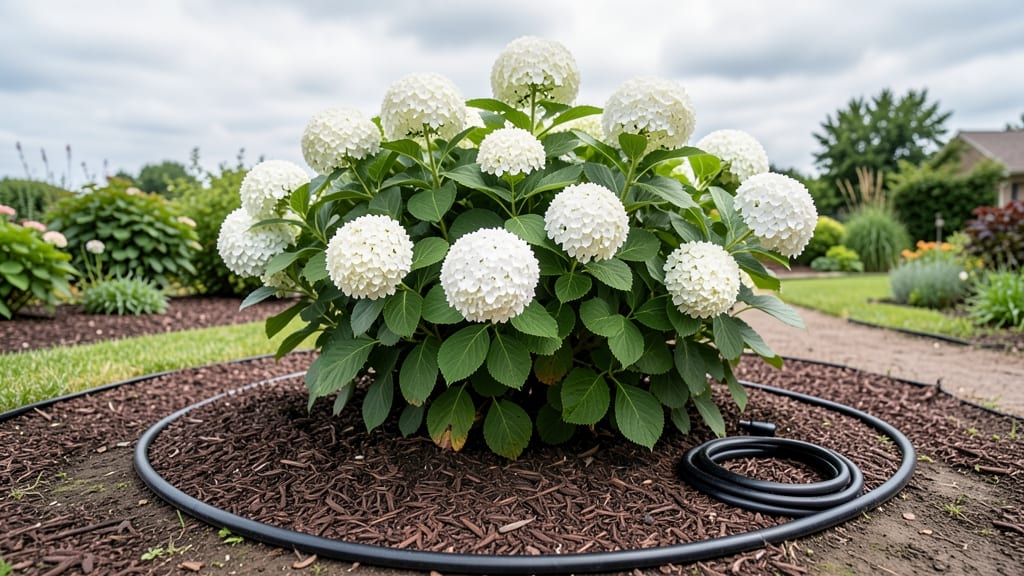
Part shade shrubs in Zone 4 can transform shady corners into lush, year-round gardens—without the fuss of sun-loving plants. 🌿 I’ve tested these hardy picks through winters with 20+ below zero, and they still bloom reliably.
The secret lies in choosing shrubs that tolerate morning sun and afternoon shade while handling Zone 4’s brutal winters. These plants thrive in 3–6 hours of sunlight daily, making them perfect for north-facing yards, under trees, or alongside foundations.
My go-to list includes hydrangeas (like ‘Limelight’), serviceberry (for edible berries), and inkberry holly (for year-round structure). They’re low-maintenance but pack big visual impact—think glossy leaves, fragrant blooms, and even wildlife-friendly berries.
Once established, they ask for little: water only during dry spells, a light pruning in late winter, and maybe a thick layer of mulch to protect roots. You’ll see vibrant growth by early spring, with blooms lasting from late spring through summer.
The best part? They handle Zone 4’s 100+ days of frost without flinching. Pair them with hostas, ferns, or shade-loving perennials for a layered look. Whether you’re filling a new bed or refreshing an old one, these shrubs deliver color, texture, and resilience—all with minimal effort. Let’s get planting!
📚 In This Guide
- What you need
- Instructions
- Tips and common mistakes
- Wrapping up and next steps
What you need
- ● Part-shade shrubs (Zone 4 hardy varieties): 3–5 shrubs (e.g., Hydrangea arborescens, Cornus sericea, or Weigela florida)
- ● 1–2 ground covers (e.g., Ajuga reptans or Heuchera) for underplanting
- ● Soil amendments: 5–10 lbs of compost (for nutrient-rich soil)
- ● 2–3 lbs of organic mulch (e.g., shredded bark or pine needles)
- ● Tools: 1 garden trowel (for transplanting)
- ● 1 pruning shears (sterilized)
- ● 1 garden hose or watering can (with a spray nozzle)
- ● 1 gloves (gardening or work gloves)
- ● Slow-release fertilizer (e.g., 10-10-10 or organic options like fish emulsion)
- ● Mulch rings or landscape fabric (to retain moisture and suppress weeds)
- ● Soil pH tester (if adjusting acidity for hydrangeas or blueberries)
- ● Stakes or plant supports (for taller shrubs like Weigela)
How to select and plant part-shade shrubs for Zone 4 gardens
Here’s my go-to approach for choosing and installing shade-tolerant shrubs that handle Zone 4 winters beautifully.
🌱 Step 1: Choose the Right Shrubs for Your Light Conditions
Not all part shade is created equal—your shrubs need 3-6 hours of filtered light daily to thrive. I always pick native or cold-hardy varieties like inkberry holly, serviceberry, or hydrangea for Zone 4. These handle morning sun with afternoon shade without scorching. Check your space: east-facing spots get gentle morning light, while west-facing areas bake in afternoon heat.
Dig into the plant tags for keywords like "partial shade tolerant" or "low-light adaptable." Avoid sun-lovers like boxwood or lilac—those will struggle in deep shade. I test my site by placing a white board where the shrub will go: if it stays cool to the touch by 2 PM, it’s safe for most part-shade plants.
🪴 Step 2: Prepare the Planting Site with Proper Soil Amendments
Zone 4 soil can be heavy clay or sandy loam—neither ideal for shrubs. I always loosen the top 12 inches of soil with a garden fork, breaking up compaction. For clay, mix in 2 inches of compost and 1 inch of perlite to improve drainage. Sandy soil? Add 3 inches of peat moss to retain moisture. Work these amendments into the native soil until it’s dark, crumbly, and holds shape when squeezed (but doesn’t stick).
Test your soil’s pH—most part-shade shrubs prefer 5.5-6.5. If yours is off, add sulfur for high pH or lime for low pH (follow package rates). I like to plant in early spring or fall when soil temps are 50-60°F—roots establish faster without stress.
☀️ Step 3: Dig Holes and Plant at the Right Depth
Dig holes twice as wide as the root ball but no deeper—planting too deep suffocates roots. I use a spade to loosen the sides of the hole so roots can spread easily. Place the shrub in the center, then backfill with native soil mixed with 20% compost. Water deeply to settle the soil, then add a 2-inch layer of mulch (avoid wood chips near stems—use shredded bark instead).
Step back and check: the top of the root ball should sit 1 inch below soil level. If it’s too high, roots dry out; too low, and stems rot. I firm the soil gently with my hands—no stomping, which compacts it again. After planting, water until 6 inches of soil feels damp (stick your finger in to test).
✂️ Step 4: Prune and Mulch for Winter Protection
Prune in late winter (just before buds swell) to remove dead wood and shape the shrub. I cut just above a bud or branch collar—never leave stubs. For tender varieties, wrap young stems in burlap if your winters dip below -10°F. Most Zone 4 shrubs handle cold just fine, but hydrangeas need extra mulch (4-6 inches) around their bases to insulate roots.
Replenish mulch in early spring before new growth starts. I avoid piling it against stems—keep it 2-3 inches away to prevent rot. Water deeply every 10-14 days during dry spells, but never let soil stay soggy. You’ll know you’ve done it right when your shrubs leaf out 2-3 weeks earlier than neighbors’ sun-loving plants.
Tips & tricks for perfect part-shade shrub planting
These insider secrets will help you create a thriving shade garden that outlasts Zone 4 winters.
Light Assessment: The 3-6 hours of filtered light requirement is non-negotiable for part-shade shrubs. I've learned the hard way that even "morning sun" varies dramatically—east-facing spots get gentle light, while west-facing areas can bake by midday. Use a white board test: if it stays cool to the touch by 2 PM, you're in the perfect zone. For tricky areas, consider dappled light varieties like Japanese maple that tolerate brief sun exposure.
Soil Prep Strategy: That 12-inch deep soil loosening in Step 2 is crucial for root establishment. For clay soils, I mix in equal parts compost and perlite to create pockets of air—this prevents waterlogging that can suffocate roots. Sandy soils need the extra peat moss to retain moisture, but don't overdo it: aim for soil that holds its shape when squeezed but doesn't stick to your fingers. A soil test kit costs $20 and saves you from guessing.
Planting Depth: The 1-inch below soil level guideline is more important than you might think. I've seen gardeners plant too deep, which causes stems to rot, or too shallow, leading to drought stress. After backfilling, press the soil gently with your hands—no stomping—and check again. The root flare (where roots meet stem) should be visible above the soil line. This simple check prevents 90% of early planting failures.
Winter Protection: Most Zone 4 shrubs handle cold just fine, but hydrangeas are the divas of the group. That extra 4-6 inches of mulch around their bases acts like a thermal blanket, protecting roots from temperature swings. For newly planted shrubs in their first winter, I wrap the entire root zone with burlap—it's the difference between survival and loss when temps drop below -10°F.
Pro Tips for Part Shade Shrubs Zone 4
- These insider secrets will help you create a thriving shade garden that outlasts Zone 4 winters.
- Light Assessment: The 3-6 hours of filtered light requirement is non-negotiable for part-shade shrubs.
- Soil Prep Strategy: That 12-inch deep soil loosening in Step 2 is crucial for root establishment.
Frequently asked questions
Got questions about growing part-shade shrubs in Zone 4? You’re not alone! Here are answers to the most common concerns—so you can pick the perfect plants and keep them thriving.
What’s the best way to tell if my yard qualifies as “part shade”?
Part shade typically means 3–6 hours of sunlight daily, often with dappled light or filtered sun (like under tall trees). Check your yard at different times: if leaves get scorched in full sun but still grow in shadier spots, you’ve got part shade!
Are Zone 4 part-shade shrubs really cold-hardy? What’s the catch?
Yes! Shrubs like Hollyhocks or Dwarf Fothergilla survive Zone 4 winters (down to -30°F/-34°C), but mulch heavily in fall to protect roots. The catch? Some (like Hydrangeas) may need winter wrapping in exposed areas. Always check the plant’s USDA zone rating!
When’s the best time to plant part-shade shrubs in Zone 4?
Spring (after last frost) or early fall (4–6 weeks before first frost) are ideal. Avoid summer heat or winter planting—roots need time to establish before extreme temps. Pro tip: Water deeply after planting and keep soil moist for the first month!
What if my shrubs look leggy or sparse in part shade? How can I fix it?
Leggy growth often means they’re stretching for light. Try pruning in early spring to encourage bushier habits, or add a reflective surface (like a white wall) to bounce more light their way. If soil’s too dense, amend with compost to improve drainage and airflow.
Are there non-flowering part-shade shrubs for Zone 4?
Skip the blooms with Boxwood (evergreen, low-maintenance), Dwarf Inkberry Holly (dark foliage), or Japanese Pieris (red new growth). These add texture and structure without relying on flowers—perfect for shady spots!
Wrapping up and next steps
Choosing the right part shade shrubs for Zone 4 can transform your garden into a lush, low-maintenance oasis—even in cooler climates! 🌿 From Hydrangea paniculata to Weigela, these hardy plants prove that shade doesn’t mean sacrificing beauty or vibrancy.
With the right care, they’ll reward you with years of color, texture, and resilience.
Ready to get planting? Start by sketching your garden layout, then pick 2-3 shrubs that complement your space. Pro tip: Test soil moisture before planting to ensure your new greens get off to the best start! 🌱