
Light Requirements
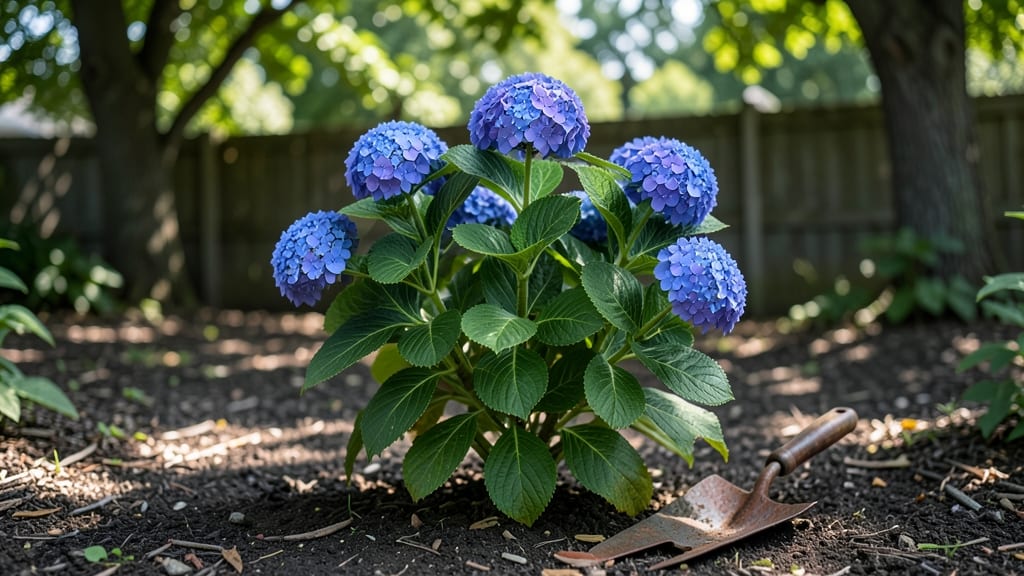
Part-shade flowering shrubs turn shady corners into showstoppers. 🌿 I used to think my dappled-light garden was a lost cause—until I discovered shrubs that thrive where others fade. These plants don’t just survive in partial shade; they burst with color, texture, and seasonal interest year after year.
The secret lies in their adaptability: hydrangeas with their lush blooms, azaleas with velvety foliage, or fothergilla with fiery fall color. They handle morning sun and afternoon shade like pros, making them perfect for borders, woodland edges, or even foundation plantings.
No fuss, just beauty—ideal for gardeners who want low-maintenance drama. You’ll love how they transform dull spaces into vibrant focal points. Picture hydrangeas blooming in soft blues and pinks, azaleas adding pops of red and purple, or fothergilla’s golden fall foliage catching the light.
These shrubs work hard while looking effortless, and they’re tough enough to handle neglect. Best of all, they fit seamlessly into any garden style—whether you’re going for cottage charm, modern minimalism, or a wild woodland feel. Here’s how to choose and place them for maximum impact!
📚 In This Guide
- What you need
- Instructions
- Tips and common mistakes
- Wrapping up and next steps
What you need
- ● Part-shade flowering shrubs: Choose 3–5 varieties (e.g., Hydrangea macrophylla, Pieris japonica, or Weigela florida). Buy 1–2 plants per type, depending on garden size.
- ● High-quality potting soil or garden soil: 2–3 bags (10–15 lbs each) for planting or amending soil.
- ● Organic compost or mulch: 1–2 bags (1–2 cubic feet) to improve drainage and retain moisture.
- ● Slow-release fertilizer (10-10-10 or balanced formula): 1–2 lbs to nourish roots during planting.
- ● Garden trowel or spade: 1 medium-sized (for digging holes).
- ● Pruning shears: 1 pair (for trimming dead or overgrown branches).
- ● Garden gloves: 1 pair (to protect your hands from thorns or rough bark).
- ● Watering can or hose with a gentle spray nozzle: 1 (for post-planting hydration).
- ● Measuring tape or ruler: 1 (to ensure proper spacing—aim for 3–5 feet between shrubs).
- ● Mulch fabric or landscape fabric: 1 roll (to suppress weeds and retain moisture).
- ● Stakes or plant supports: 2–4 (for taller shrubs like Hydrangea).
- ● Epsom salt (magnesium sulfate): 1 small container (boosts blooms for Hydrangea varieties).
- ● Mulch (cedar or pine straw): 1–2 bags (2–3 cubic feet) for a polished finish.
Step-by-Step guide to planting and caring for part shade flowering shrubs
Here’s how to select, plant, and maintain vibrant shrubs that bring color to shady spots.
🌱 Step 1: Choose the Right Shrubs for Your Space
Not all flowering shrubs thrive in part shade—pick varieties that love 3-6 hours of dappled sunlight daily. Hydrangeas, azaleas, and fothergilla are top performers. Check your USDA hardiness zone to match shrubs with your climate. I always opt for native varieties because they adapt better to local soil and moisture conditions.
Look for healthy plants with firm stems and buds already forming (a sign of next year’s blooms). Avoid shrubs with yellowing leaves or leggy growth—they’re stressed from poor light or overcrowding. If buying bare-root, soak roots in lukewarm water for 2 hours before planting to revive them.
🪴 Step 2: Prepare the Planting Site
Test your soil’s moisture retention—part shade shrubs hate soggy roots but need consistent dampness. Amend heavy clay with 2-3 inches of compost to improve drainage, and mix in a handful of slow-release fertilizer (10-10-10 ratio) into the top 12 inches of soil. This ensures nutrients are available during root establishment.
Dig a hole twice as wide as the root ball but only as deep. The top of the root ball should sit 1 inch above ground level—this prevents water from pooling around the stem. Loosen the roots gently if they’re circling (a common issue with container-grown plants).
☀️ Step 3: Plant and Water Thoroughly
Place the shrub in the hole, backfill with native soil mixed with a little compost, and tamp lightly to remove air pockets. Water deeply until the soil is moist 6 inches down—you’ll see water seep to the bottom of the hole. Mulch with 2-3 inches of shredded bark or wood chips, keeping it 6 inches away from the stem to prevent rot.
Water every 2-3 days for the first 2 weeks until new growth appears. Overwatering now can suffocate roots, while underwatering stresses the plant. Check soil moisture by sticking your finger 2 inches deep—if it’s dry, water again.
🌿 Step 4: Maintain for Season-Long Blooms
Fertilize lightly in early spring and mid-summer with a balanced 10-10-10 formula, following package rates. Too much fertilizer causes weak blooms or leafy growth with few flowers. Prune right after flowering to shape the shrub—cut back to just above a leaf bud or branch junction. Never prune into old wood, as it won’t regrow.
Watch for powdery mildew (a white dust on leaves) in humid climates. Improve air circulation by spacing shrubs 3-5 feet apart and watering at the base (not overhead). If mildew appears, spray with neem oil or a fungicide labeled for ornamentals.
⏰ Step 5: Winterize for Next Year’s Growth
Stop fertilizing by mid-summer to encourage dormancy. In zones 5-7, mulch an extra 1-2 inches around the base in fall to insulate roots. Evergreens like boxwoods may need burlap wrapping if winter winds are harsh. Water once a month in winter unless snow covers the ground—this prevents drought stress.
Prune dead or damaged branches in early spring before new growth starts. This is the best time to assess the shrub’s shape and remove any crossing branches that could rub and create wounds. A well-maintained shrub will reward you with vibrant blooms for years.
Tips & tricks for perfect part shade flowering shrubs
These simple strategies will help you turn your shady spots into a vibrant display of seasonal color.
Lighting Insight: The 3-6 hours of dappled sunlight mentioned in Step 1 is crucial—this is what makes part shade shrubs thrive. If your area gets less light, opt for varieties like Japanese anemones or astilbes, which tolerate even lower light conditions. For more sun exposure, consider planting near a north-facing window or under taller trees that filter sunlight.
Root Revival: When soaking bare-root shrubs for 2 hours before planting (Step 1), use lukewarm water—not cold. This helps revive the roots without shocking the plant. After soaking, gently massage the roots to loosen any circling or compacted soil. This prep step makes all the difference in root establishment.
Soil Prep Pro Tip: For the 2-3 inches of compost and 10-10-10 fertilizer mix in Step 2, consider adding a handful of perlite or vermiculite to improve drainage in heavy clay soils. This extra step prevents waterlogging, which can be fatal to part shade shrubs. Mix it thoroughly into the top 12 inches of soil before planting.
Watering Wisdom: The 2-3 day watering schedule in Step 3 works best when you water deeply—aim for that 6-inch moisture level. A simple way to check: use a screwdriver to poke the soil 2 inches down. If it comes out clean, you're good. If it's dry, water again. This method ensures consistent moisture without overwatering.
Pro Tips for Part Shade Flowering Shrubs
- These simple strategies will help you turn your shady spots into a vibrant display of seasonal color.
- Lighting Insight: The 3-6 hours of dappled sunlight mentioned in Step 1 is crucial—this is what makes part shade shrubs thrive.
- Root Revival: When soaking bare-root shrubs for 2 hours before planting (Step 1), use lukewarm water—not cold.
Frequently asked questions
Got questions about growing part shade flowering shrubs? You’re not alone! Here are answers to the most common queries to help you cultivate a thriving garden with minimal fuss.
What does "part shade" really mean for my garden?
Part shade typically means 3–6 hours of sunlight daily, with dappled light or filtered shade the rest of the time. Think of it as the "Goldilocks zone"—not too much sun (which can scorch tender blooms) and not too little (which may stunt growth). East-facing spots or areas under tall trees with open canopies are ideal.
When is the best time to plant part shade flowering shrubs?
For most shrubs, early spring or early fall are the sweet spots. The soil is warm enough for roots to establish, but the air isn’t scorching. Avoid planting in peak summer heat—it stresses young shrubs. If you’re in a mild climate, late winter (before buds swell) also works!
Which part shade shrubs bloom the longest?
If you want season-long color, prioritize these top picks:
- Abelia (spring to fall)
- Hydrangea (summer, some rebloom)
- Weigela (spring, with potential repeat blooms)
- Pieris japonica (early spring, then foliage interest)
Why aren’t my part shade shrubs flowering this year?
No flowers? Don’t panic! Common culprits include:
- Too little light (aim for at least 3 hours of sun).
- Over-fertilizing with high-nitrogen feed (it promotes leaves, not blooms).
- Pruning at the wrong time (e.g., cutting back after buds form).
- Stress from poor drainage or drought.
Can I grow part shade shrubs in a fully shaded spot?
Most part shade shrubs won’t thrive in deep shade (less than 3 hours of light), but a few tolerate it better than others. Try:
- Daphne (fragrant, but slow-growing)
- Japanese pieris (loves acidic, moist soil)
- Impatiens shrubs (Busy Lizzie relatives) (for tropical vibes)
Wrapping up and next steps
Transforming your part-shade garden into a burst of color is easier than you think! With the right part shade flowering shrubs, you’ll enjoy vibrant blooms year after year—even in dappled sunlight. From hydrangeas to azaleas, these low-maintenance plants bring beauty without the fuss.
Ready to get started? Pick one or two shrubs that match your space, soil, and style, then plant them with confidence. Your garden will thank you—and so will your neighbors! 🌸