
Lawn
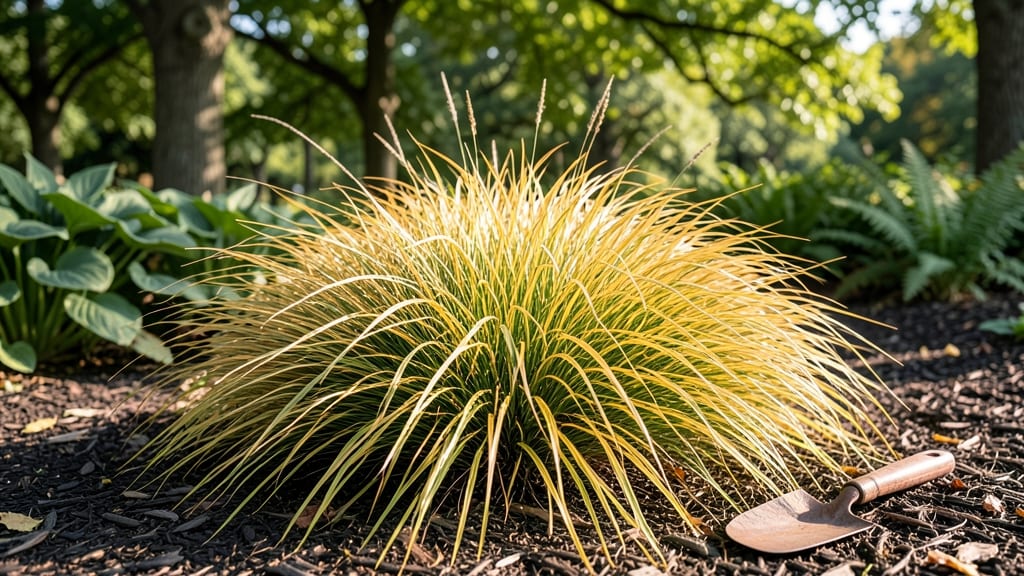
Even in those tricky shaded areas, ornamental grass for shaded areas can turn dull corners into vibrant, sunless sanctuaries—here’s how I did it. These grasses bring movement, texture, and color without demanding full sun.
The right choices make all the difference: look for varieties like Japanese forest grass (3–4 feet tall) or dwarf fountain grass (1–2 feet), both of which handle shade better than sun-loving types.
Their arching blades and golden hues add depth to shady borders, under trees, or as focal points near patios. Pair them with hostas, ferns, or impatiens for a layered, low-maintenance look.
Once established, these grasses need minimal care—just occasional trimming in late winter and protection from heavy foot traffic. The payoff? A garden that stays vibrant even when sunlight is scarce. Your shady spots will become the most talked-about part of the yard.
For best results, plant in well-draining soil and water consistently until roots take hold. Mulch lightly to retain moisture, and watch as these grasses fill in gaps with effortless elegance. No more bare patches—just texture and color all season long.
📚 In This Guide
- What you need
- Instructions
- Tips and common mistakes
- Wrapping up and next steps
What you need
- ● Ornamental grasses: Choose shade-tolerant varieties like Carex oshimensis, Hakonechloa macra, or Oplismenus hirtellus (1–3 plants per square foot, depending on size).
- ● High-quality potting mix: 1–2 bags (50 lbs each) of well-draining, organic soil blend (e.g., 60% peat moss, 30% perlite, 10% compost).
- ● Mulch: 2–3 cubic feet of shredded bark or pine straw to retain moisture and suppress weeds.
- ● Fertilizer: Slow-release, balanced fertilizer (10-10-10 or 20-20-20, 1 lb per 10 sq ft).
- ● Watering can or hose with a gentle spray nozzle.
- ● Garden gloves for easy handling.
- ● Pruning shears (sharp, clean pair for trimming).
- ● Soil pH test kit (to ensure optimal growing conditions, ideal pH: 6.0–7.0).
- ● Decorative edging or rocks for a polished look.
Step-by-step guide to planting ornamental grass in shaded gardens
Shade-loving ornamental grasses thrive with the right selection and care—here’s how to create lush, low-maintenance texture even without full sun.
Select Grasses Suited for Low Light
Choose shade-tolerant varieties like Hakonechloa macra (Japanese forest grass), Carex oshimensis (sedges), or Miscanthus sinensis 'Zebrinus'—all of which handle 2-4 hours of direct sun daily or dappled shade. Avoid sun-loving grasses like Pennisetum or Andropogon, which yellow and struggle in deep shade. I always check the plant tag for light requirements, as some "partial shade" grasses need at least morning sun to prevent weak growth.
For deep shade (under trees with less than 2 hours of light), opt for Carex species or Oplismenus hirtellus (bamboo grass), which tolerate less than 20% sunlight. These grasses grow slower but develop dense, arching foliage that softens dark corners. Avoid planting in areas where roots compete for moisture—ornamental grasses need consistent soil dampness but hate soggy conditions.
Prepare the Planting Site for Moisture Retention
Ornamental grasses in shade rely on rich, well-draining soil to prevent root rot. Amend the native soil with 2-3 inches of compost and a handful of peat moss or coconut coir to improve moisture retention without compacting. I test soil moisture by squeezing a handful—if it crumbles easily, it’s too dry; if it stays clumped, it needs sand or perlite to loosen it. For 4 plants, mix 1 cubic foot of compost into the top 6 inches of soil in each planting hole.
Dig holes twice as wide as the root ball but no deeper—grasses spread horizontally, not downward. Place a 1-inch layer of gravel at the bottom for drainage if your soil stays wet for more than 24 hours after rain. This prevents the roots from suffocating, which is a common issue in shady, poorly drained spots. Gently tease out any circling roots before planting to encourage outward growth.
Plant and Water for Immediate Establishment
Set each grass clump into its hole so the top of the root ball sits 1 inch below soil level—this ensures stability and prevents wind rock. Backfill with native soil mixed with compost, pressing lightly to remove air pockets but not compacting the roots. Space plants 18-24 inches apart for medium-sized grasses like Hakonechloa or 3-4 feet apart for larger varieties like Miscanthus. I use a small board to step on the soil around the base, which settles it evenly without disturbing the roots.
Water deeply right after planting—1 gallon per plant—to encourage roots to spread into the surrounding soil. Keep the soil evenly moist (not soggy) for the first 4-6 weeks, mimicking the damp conditions of their native understory habitats. Mulch with 2 inches of shredded bark or pine needles to retain moisture and suppress weeds. Avoid synthetic mulches, which can smother the grass’s shallow roots.
Maintain Through Seasons for Year-Round Interest
In spring, trim dead foliage to 2-3 inches above ground level once new growth appears—this signals the grass to focus energy on fresh shoots. For clumping grasses, cut back in early spring; for running varieties, divide every 2-3 years in early spring to prevent overcrowding. I always sterilize my pruners with rubbing alcohol between cuts to avoid spreading disease, especially in humid shade.
Fertilize lightly in early spring with a balanced, slow-release fertilizer (10-10-10) at half the recommended rate. Shade grasses don’t need much—too much nitrogen leads to weak, floppy growth. Water 1-2 times per week in dry spells, checking the top 2 inches of soil—if it’s dry, it’s time to water. In winter, leave foliage intact to protect the crown from temperature swings, unless the grass dies back completely, which is normal for many varieties.
Tips & tricks for thriving shade-loving ornamental grass
Transforming shady garden corners into lush, low-maintenance spaces starts with these essential insights—learn how to maximize your grasses' potential without sun struggles.
Selection Precision: When choosing between Hakonechloa macra and Carex oshimensis, consider your shade level carefully. For areas receiving 2-4 hours of morning sun, Hakonechloa with its cascading golden foliage thrives beautifully, while Carex varieties excel in deeper shade with their delicate, arching forms. I've found that planting Oplismenus hirtellus under dense canopies where sunlight barely reaches creates stunning visual contrast with its bamboo-like appearance.
Soil Preparation Strategy: The 2-3 inches of compost mixed into the top 6 inches of soil isn't just about nutrients—it's about creating the perfect moisture balance. For clay-heavy soils that stay wet longer than 24 hours after rain, add 1 inch of gravel at the bottom of planting holes to prevent root suffocation. I've learned to test soil moisture by squeezing a handful before planting—if it crumbles like dry sand, add more compost; if it stays clumped, incorporate perlite to improve drainage.
Planting Depth and Spacing: Positioning the root ball 1 inch below soil level might seem counterintuitive, but this subtle adjustment prevents wind rock while allowing roots to establish properly. For medium grasses like Hakonechloa, maintain 18-24 inches between plants to prevent overcrowding, while larger Miscanthus varieties need 3-4 feet of space. I use a small board to gently press the soil around each plant—this settles the roots without compacting them, creating ideal contact with the amended soil.
Year-Round Maintenance Insight: That 2-3 inches spring trim isn't arbitrary—it's about stimulating new growth while preserving the grass's natural shape. For running varieties, dividing every 2-3 years prevents overcrowding and maintains vigor. I've found that sterilizing pruners with rubbing alcohol between cuts is especially important in humid shade, where fungal diseases can spread quickly through open wounds. The 10-10-10 fertilizer applied at half strength in early spring provides just enough nutrients without causing the weak, floppy growth that over-fertilization produces.
Pro Tips for Ornamental Grass For Shaded Areas
- Transforming shady garden corners into lush, low-maintenance spaces starts with these essential insights—learn how to maximize your grasses' potential without sun struggles.
- Selection Precision: When choosing between Hakonechloa macra and Carex oshimensis, consider your shade level carefully.
- Soil Preparation Strategy: The 2-3 inches of compost mixed into the top 6 inches of soil isn't just about nutrients—it's about creating the perfect moisture balance.
Frequently asked questions
Got questions about adding ornamental grass to shady spots?
You’re not alone! Here are answers to the most common concerns—so you can confidently transform your low-light garden into a lush, textured retreat.
What are the best ornamental grasses for deep shade (less than 3 hours of sunlight)?
Opt for shade-tolerant varieties like Carex oshimensis (Oshima Sedge), Hakonechloa macra (Japanese Forest Grass), or Miscanthus sinensis ‘Gracillimus’. These thrive in dappled or partial shade, offering delicate foliage and minimal fuss. Avoid sun-lovers like Pennisetum or Muhlenbergia, which wilt in deep shade.
How long does it take for ornamental grass to establish in shaded areas?
Most shade-loving grasses establish in 1–2 growing seasons, but patience pays off! Slow growers like Hakonechloa may take longer to fill out. Water deeply once a week during the first year to encourage root growth. Mulch lightly to retain moisture—your grass will reward you with year-round texture sooner than you think!
Do ornamental grasses in shade need extra watering?
Yes, but not as much as you’d think! Shade reduces evaporation, so water when the top 2 inches of soil feel dry (about once a week in most climates). Overwatering can cause root rot, so ensure containers or beds have good drainage. A layer of mulch (2–3 inches) helps retain moisture and suppresses weeds—win-win!
Will ornamental grass survive winter in shaded spots?
Many shade grasses are cold-hardy (zones 5–9, depending on the variety). Carex and Hakonechloa often stay evergreen or resprout early. In harsh winters, a light layer of mulch protects roots. If your grass turns brown, don’t panic—it’s likely dormant until spring warmth returns. Trim dead foliage in early spring for a fresh start!
What if my ornamental grass looks leggy or sparse in shade?
Leggy growth often means too little light or overcrowding. Try these fixes:
- Prune back by 1/3 in early spring to encourage bushier growth.
- Relocate to a sunnier spot if possible (even partial sun helps).
- Divide clumps every 2–3 years to rejuvenate growth.
- Fertilize lightly in spring with a low-nitrogen, high-potassium formula (e.g., 5-10-10).
Wrapping up and next steps
Transforming shady spots into lush, textured gardens is easier than you think! With the right ornamental grasses for shaded areas, you can add movement, color, and structure to your landscape—without battling sun struggles.
Whether you’re a beginner or a seasoned gardener, these hardy plants bring year-round beauty with minimal fuss.
Ready to elevate your space? Start small—pick one or two varieties to test in your shade garden, then expand as you see what thrives. Happy planting! 🌿✨