
Shrubs
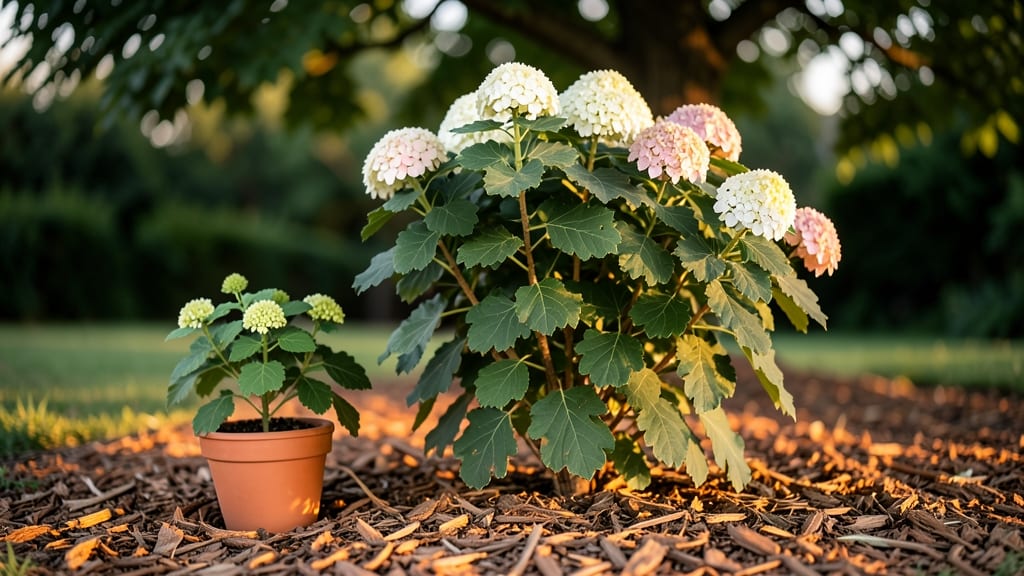
Growing an oak leaf hydrangea 🌿 in sun or shade depends on one key factor: balancing light just right for those stunning blooms and lush foliage.
Struggling to keep your oak leaf hydrangea blooming year after year? The secret might be simpler than you think—light exposure plays a critical role in its health and flower production, yet most gardeners get it wrong.
Too much sun can scorch leaves, while too little shade may reduce those showy flowers you love. The ideal spot offers morning sun and afternoon shade, especially in hotter climates like Zone 6a.
Here’s how to read your plant’s light needs, adjust for your microclimate, and keep those blooms coming—no guesswork required.
 Best Window Placement
How sunlight affects oak leaf hydrangea blooms and growth patterns
If you’ve ever wondered why your oak leaf hydrangea (Hydrangea quercifolia) blooms weakly or develops scalded leaves, the answer likely lies in its light exposure. Unlike some hydrangeas that thrive in full sun, oak leaf varieties prefer partial shade—but they’re surprisingly adaptable.
The key is understanding how different light conditions influence flower size, leaf color, and overall vigor. Too much sun can scorch leaves, while too little shade may stunt blooms. Let’s break down the science-backed thresholds for optimal performance.
Oak leaf hydrangeas evolved in the southeastern U.S. understory, where they receive dappled sunlight through tall trees. This natural habitat explains why they perform best in morning sun with afternoon shade. However, they can tolerate full sun in cooler climates or deep shade in hot regions.
The challenge is balancing these extremes to avoid stress. For example, in USDA Zone 7 or warmer, afternoon sun can cause leaf burn, while in Zone 5 or colder, more sunlight may encourage stronger growth.
Here’s the critical insight: flower production peaks when plants receive 3–6 hours of direct sunlight daily, but leaf health suffers if exposed to harsh afternoon rays. The color intensity of blooms—ranging from white to deep pink—also shifts based on light.
In partial shade, flowers tend to stay lighter and more delicate, while in full sun, they may darken but risk premature wilting. Let’s compare these scenarios in detail.
The table above reveals why partial shade is the goldilocks zone for oak leaf hydrangeas. When given 3–5 hours of morning sun, plants produce larger clusters of blooms with vibrant color and minimal leaf stress. The trade-off?
In full sun, you might see bigger individual flowers, but they’ll often wilting by midday due to heat stress. Meanwhile, deep shade slows growth and reduces flowering, though it’s better than sunburned leaves.
Seasonal blooming cycles also shift with light. Oak leaf hydrangeas typically bloom in late spring to summer, but in full sun, they may produce flowers earlier—sometimes as early as May—while in shade, blooms can extend into early fall.
This delayed flowering in shade is due to lower stress hormones, which encourage a second flush of blooms. If you’re in a hot climate, like Zone 8 or 9, prioritize afternoon shade to prevent leaf scorch and extend the blooming season.
For young oak leaf hydrangeas, light management is even more critical. New plants need gentle acclimation to avoid shock. Start with 30% shade cloth if planting in full sun, then gradually reduce coverage over 2–3 weeks.
Mature plants, on the other hand, can handle more direct light if their roots are deeply mulched and soil stays consistently moist. A 3-inch layer of mulch helps regulate soil temperature, reducing the risk of root stress in extreme light conditions.
One common mistake gardeners make is assuming “more sun = better blooms”. While some hydrangeas (like bigleaf varieties) tolerate full sun, oak leaf hydrangeas are understory plants at heart. Their lobed leaves mimic oak foliage—a trait that helps them thrive in filtered light. If your
Best light conditions by region: a state-by-state oak leaf hydrangea guide
Your oak leaf hydrangea thrives in partial shade, but the perfect light balance depends entirely on where you live. In humid climates like Georgia or Louisiana, afternoon shade is a must to prevent leaf scorch.
Meanwhile, arid zones like Arizona or Nevada actually benefit from more morning sun to encourage blooming. Let’s break down the ideal light conditions by region so you can give your shrub exactly what it needs.
First, identify your USDA hardiness zone and climate type—this determines how much direct sunlight your hydrangea quercifolia can handle. Coastal areas (like California’s Zone 9) often have milder light due to fog, while inland regions (like Texas’ Zone 8) demand afternoon shade protection.
Even within a single state, microclimates can drastically alter light exposure, so always observe your specific garden spot for at least a week before planting.
Light deprivation shows up as small, sparse blooms and pale, leggy growth. Watch for these early signs: yellowing leaves, stunted stems, or fewer than 10 flowers per branch. In contrast, too much sun causes crispy leaf edges and bleached flower heads. The key? Morning sun + afternoon shade works best for most regions.
For young oak leaf hydrangeas (first 2 years), prioritize gentle light conditions—think morning sun only in containers or under 50% shade cloth. Mature plants (3+ years) can handle slightly more light, but never full afternoon sun.
In humid climates, increase airflow around your shrub to prevent fungal issues from excessive moisture combined with shade.
Pro tip: If your hydrangea’s leaves turn yellow between veins, it’s likely iron deficiency from too much shade. Amend the soil with chelated iron and move it to a slightly sunnier spot.
Conversely, if leaves look bleached or crispy, provide afternoon shade relief immediately—this is your plant’s SOS signal for sunburn risk.
Remember, oak leaf hydrangeas are adaptable, but they reward precise care. Start with the right light balance for your region, then fine-tune based on your specific microclimate. With the perfect light setup, you’ll enjoy vibrant blooms from spring through fall—and maybe even a few winter surprises!