
Flowers
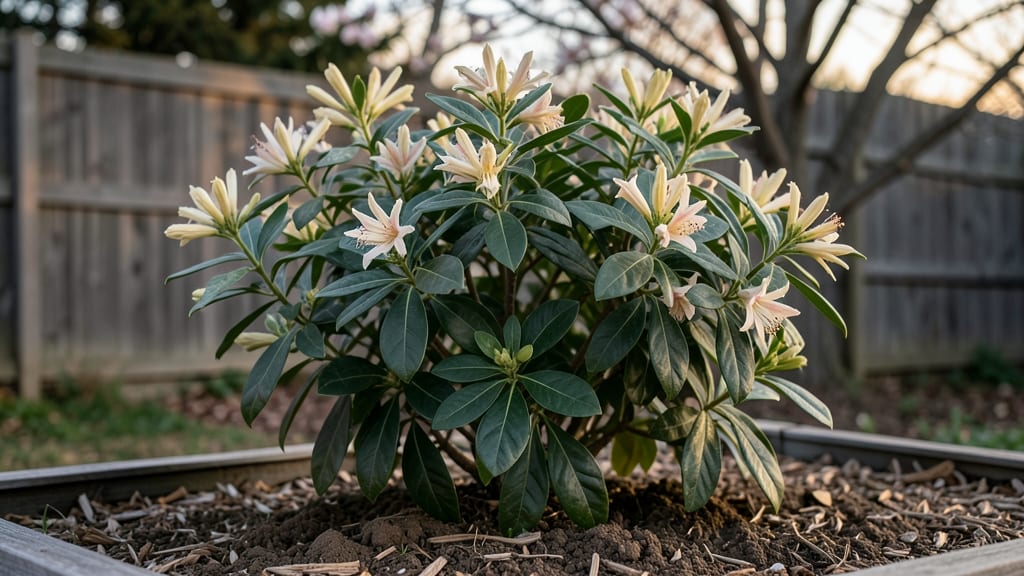
Night shade flowers transform drab corners into moonlit havens. 🌙 These velvety blooms and silvery foliage thrive where most plants struggle, turning dim areas into dramatic focal points that glow under artificial or moonlight.
I’ve designed entire garden beds around their deep hues and unusual textures—once you see them at night, you’ll never ignore a shady spot again. The magic lies in their dual purpose: pollinator magnets by day and romantic illuminators by evening.
Moonflowers unfurl after sunset, releasing intoxicating scents that draw moths and bats, while night-blooming cereus bursts into flame-like blossoms that last just one night—making every appearance feel like a rare event. Even the foliage of plants like Solanum jasminoides adds architectural interest with its glossy, vine-like growth.
You’ll create layers of movement and light, with taller plants framing pathways and lower varieties spilling over edges. The key is contrasting textures—pair velvety Petunia ‘Moonlight’ with silvery Lamium maculatum—and repeating colors like deep purple or soft white to tie the space together.
A single well-placed scented stock can turn a patio into a twilight retreat. Works in containers, raised beds, or ground plantings—even urban balconies. The only rule? Plant where you’ll see them after dark. Here’s how to make them shine.
📚 In This Guide
- What you need
- Instructions
- Tips and common mistakes
- Wrapping up and next steps
What you need
- ● Night Shade Flower Plants: 5–10 plants (e.g., Solanum species like Solanum jasminoides or Solanum crispum) for a striking display.
- ● Choose healthy, disease-free plants from a reputable nursery.
- ● Well-Draining Soil: 1–2 bags of potting mix or garden soil amended with compost (50/50 ratio).
- ○ Optional: Perlite or sand (1 part) for extra drainage.
- ● Containers or Garden Space: For containers: 5–10 gallon pots with drainage holes (1 plant per pot).
- ● For in-ground planting: A spot with partial to full shade and 6+ hours of indirect light.
- ● Basic Gardening Tools: Trowel or small shovel
- ● Gloves (to protect from mild toxicity—handle with care!)
- ● Watering can or hose with a gentle spray nozzle
- ○ Optional (But Helpful!): Mulch (2–3 inches) to retain moisture and suppress weeds.
- ● Slow-release fertilizer (balanced 10-10-10 or organic options).
- ● Support stakes (if growing tall varieties like Solanum quitoense).
Step-by-Step guide to planting night shade flowers for dark corners
Transform shady garden spots with these bold, low-light lovers—here’s how to get them thriving.
🌱 Step 1: Select the Right Night Shade Varieties for Low Light
Night shade flowers like Solanum jasminoides (potato vine) and Solanum rantonnetii (Christmas berry) thrive in partial to full shade, making them perfect for dark corners. Avoid varieties like petunias or impatiens, which demand bright light. Check your space’s light levels: if dappled sunlight reaches the area, you’re golden.
I always opt for established nursery plants over seeds for night shade flowers—they establish faster in shady spots. Look for healthy stems with glossy foliage and no signs of yellowing or brown edges. These are your telltale signs of a plant that’s already adapted to lower light.
🪴 Step 2: Prepare the Planting Site for Moisture Retention
Night shade flowers hate soggy soil but also dry out quickly in shade. Amend the planting area with 3 inches of compost mixed into the top 6 inches of native soil. This improves drainage while retaining moisture. If your soil is heavy clay, add 1 part perlite to 3 parts soil to prevent compaction.
Dig holes twice as wide as the root ball but only as deep—planting too deep suffocates roots. Water the hole thoroughly before placing the plant in, ensuring the soil settles evenly around the roots. Tap the pot gently to dislodge any air pockets, then fill gaps with native soil.
☀️ Step 3: Position for Indirect Light and Shelter
Even shade-loving night shade flowers need some light—think 3-6 hours of dappled sunlight daily. Press plants into the north or east side of structures where light filters through but direct sun is blocked. Avoid south-facing walls, which can scorch leaves even in partial shade.
Mulch heavily with 2-3 inches of organic mulch (like shredded bark) to keep roots cool and moisture levels stable. I always check mulch depth after rain—if it’s compressed or displaced, fluff it up to maintain airflow. This prevents fungal issues that plague night shade flowers in damp, stagnant conditions.
💧 Step 4: Water Deeply and Adjust for Shade
Water newly planted night shade flowers once weekly, giving 1 gallon per plant until the soil is 6 inches deep moist. In full shade, reduce to every 10-14 days—these plants signal thirst by wilting slightly, not crisping like sun-lovers. Stick your finger 2 inches into the soil; if it’s dry, water.
Here’s the thing—night shade flowers often show stress as leaf yellowing in shade. Don’t assume it’s overwatering. Instead, check the undersides of leaves for pests like spider mites, which thrive in low-light conditions. A gentle spray of water on leaves can deter them without harming the plant.
✂️ Step 5: Prune for Bushier Growth and Flower Support
Pinch back leggy stems by one-third in early spring to encourage bushier growth. Night shade flowers respond well to pruning, but avoid cutting into woody stems—focus on soft, green growth. Deadhead spent blooms regularly to redirect energy into new flowers, not seed production.
If your night shade flowers flop over, provide lightweight stakes or a small trellis. Tie stems loosely with soft plant ties—too-tight knots can strangle stems as they thicken. I always prune after flowering to maintain shape, but avoid heavy cuts in fall, which weakens winter hardiness.
Tips & tricks for perfect night shade flower planting
These insider tricks will help your shade-loving plants thrive where others fail.
Light Level Insight: That 3-6 hours of dappled sunlight in Step 3 is crucial—think of it as the plant's "happy medium." Morning sun works best, as afternoon rays can intensify heat. If your space gets only 2 hours of light, consider the more tolerant Solanum rantonnetii varieties, which handle lower light better than potato vine.
Soil Prep Secret: When amending soil in Step 2, don't just dump compost on top—thoroughly mix those 3 inches into the top 6 inches. I use a garden fork to loosen the native soil first, then blend in compost and perlite (if needed) until it looks like a rich chocolate cake batter. This ensures even moisture distribution that shade plants desperately need.
Mulching Mastery: The 2-3 inches of organic mulch in Step 3 isn't just decoration—it's your plant's thermal blanket. After applying, I always create a slight depression around the base of the plant to prevent water pooling. This keeps roots cool while allowing excess moisture to drain away, which prevents the dreaded fungal issues that plague night shade flowers in damp conditions.
Pruning Precision: When pinching back those leggy stems in Step 5, focus on the soft growth just above leaf nodes. I use clean, sharp pruners and make cuts at a 45-degree angle to prevent water from pooling on the cut surface. This encourages bushier growth while keeping the plant's natural shape intact—no need for drastic haircuts that can shock the plant.
Pro Tips for Night Shade Flowers
- These insider tricks will help your shade-loving plants thrive where others fail.
- Light Level Insight: That 3-6 hours of dappled sunlight in Step 3 is crucial—think of it as the plant's "happy medium."
- Soil Prep Secret: When amending soil in Step 2, don't just dump compost on top—thoroughly mix those 3 inches into the top 6 inches.
Frequently asked questions
about night shade flowers—because every gardener deserves clarity! Whether you're curious about care, timing, or creative uses, we’ve got you covered.Are night shade flowers toxic to pets or humans?
Most night shade flowers (like Solanum varieties) contain solanine, a toxin harmful if ingested in large amounts. Keep them out of reach of pets and children—never consume them. Opt for pet-safe alternatives like Heuchera or Helleborus if safety is a concern.
How long do night shade flowers take to grow and bloom?
Growth time varies by variety, but most night shade flowers (e.g., Solanum crispum) take 2–4 months to establish from seeds and 6–12 months to bloom. Patience pays off—these dramatic plants reward you with moody, velvety foliage even before flowers appear!
Can I grow night shade flowers in containers?
Many night shade varieties thrive in 12–18-inch pots with well-draining soil. Choose trailing types (like Solanum jasminoides) for hanging baskets or compact varieties for tablescapes. Just ensure containers have drainage holes to prevent root rot—these plants hate soggy feet!
What’s the best way to use night shade flowers in garden design?
Night shade flowers shine in moody corners, under trees, or as edging for dark borders. Pair them with silver foliage (like lamb’s ear) or deep purples (e.g., Heuchera) for a dramatic contrast. Pro tip: Use them in cut arrangements—their velvety leaves add texture to bouquets!
Why are my night shade flowers wilting or dropping leaves?
Wilting often signals overwatering, underwatering, or pests. Check soil moisture—it should be damp but not soggy. Inspect leaves for aphids or spider mites (common culprits). If roots look mushy, repot in fresh soil; if crispy, increase watering. Heat stress can also cause wilting—provide afternoon shade in hot climates.
Wrapping up and next steps
Night shade flowers bring a touch of moody elegance to dark garden corners, transforming shadows into stunning focal points. Whether you’re drawn to their velvety petals, striking foliage, or low-light adaptability, these plants offer both beauty and practicality. 🌙✨
Ready to elevate your garden? Start by selecting the perfect night shade variety for your space—then watch your darkest nooks bloom with drama! Your next gardening adventure awaits.