
Shrubs
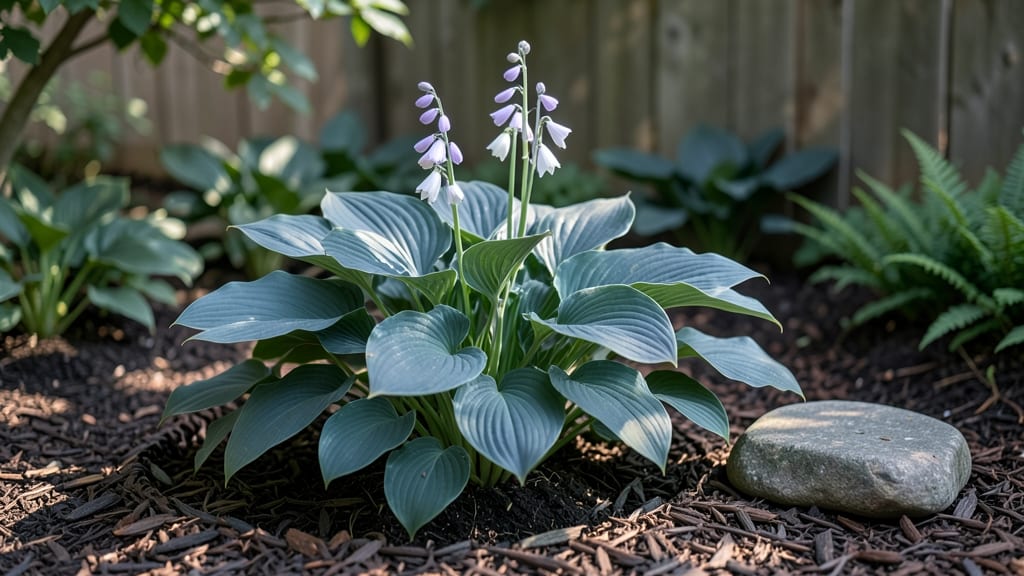
Mostly shade perennials transform dark corners into lush, year-round privacy screens that never need summer replacements. 🌿 I used to think shade gardens were limited to sad, sparse patches—until I discovered how hostas, ferns, and astilbes could create a thriving, textured tapestry under trees.
The key is picking plants that match your shade level (partial vs. full) and layering them for depth. These perennials reward patience with velvety foliage, delicate blooms, and reliable growth that outlasts annuals. My favorite combo?
Tall heucheras for bold color, mid-height astilbes for feathery plumes, and low lamium for trailing texture. The result is a garden that stays vibrant even when sunlight fades. Common mistakes derail shade gardens fast—overwatering (shade plants hate soggy roots) and poor soil prep (amend with compost!).
Once established, these plants need minimal care beyond occasional trimming and mulch. They’ll outperform any temporary solution. Perfect for understory gardens, north-facing yards, or privacy hedges. Let’s build a shade garden that thrives all season long—no summer burnout required.
📚 In This Guide
- What you need
- Instructions
- Tips and common mistakes
- Wrapping up and next steps
What you need
- ● Perennials (mostly shade-tolerant): 1–3 Hosta plants (e.g., 'Blue Angel' or 'Francee' for variety)
- ● 1–2 Hellebores (e.g., 'Black Beauty' or 'Winter Jewels' for early blooms)
- ● 1 Ferns (e.g., Matteuccia struthiopteris or Dryopteris erythrosora for texture)
- ● 1 Astilbe (e.g., 'Fanal' for feathery plumes)
- ● 1 Lungwort (Pulmonaria) (for spotted foliage and early spring color)
- ● 1 Japanese Painted Fern (Athyrium)
- ● Soil amendments: 5–10 lbs compost (per 10 sq ft)
- ● 2–3 lbs organic mulch (e.g., shredded bark or pine needles)
- ○ Optional: Slow-release fertilizer (10-10-10 ratio, 1 lb per 100 sq ft)
- ● Tools: 1 Garden trowel (for planting)
- ● 1 Pruning shears (for shaping)
- ● 1 Garden hose or watering can (with a fine rose nozzle)
- ● 1 Gloves (gardening or work gloves)
- ● 1 Wheelbarrow or bucket (for hauling soil/mulch)
- ● Location: A spot with 4–6 hours of shade daily (dappled or full shade works best). Avoid soggy or compacted soil.
- ● Spacing: Plan for 18–36 inches between plants (depending on mature size). Check plant tags for specifics!
- ○ Water access: A soaker hose or drip irrigation (optional but helpful for consistent moisture).
- ● Season timing: Spring or fall (best for planting perennials).
- ● Avoid planting in extreme heat or frost.
Step-by-Step guide to designing a thriving shade garden
Here's how to create a lush, low-maintenance shade garden that delivers year-round privacy and texture.
🌱 Step 1: Assess Your Shade Conditions
Start by mapping your shade levels—what looks like deep shade in winter may receive filtered light in summer. I use a simple system: full shade (<1 hour sun), partial shade (2-4 hours sun), and dappled shade (filtered light through trees). Walk through your space at different times of day to note where light shifts occur.
Mostly shade perennials tolerate 2-4 hours of morning sun but thrive in deeper shade. Avoid planting sun-loving varieties like hostas in full sun—they'll scorch. Instead, pair them with heucheras or astilbes that handle similar conditions. A notebook helps track which spots stay dry or stay moist longer.
🌿 Step 2: Select the Right Plant Combinations
For a layered look, I start with tall structural plants like Japanese painted ferns (3-4 feet) or foamflower (2-3 feet) as backdrops. These create instant height and privacy. Next, add mid-height fillers such as coral bells or lungwort (1-2 feet) to soften the space.
Finally, incorporate ground covers like wild ginger or sweet woodruff to tie everything together. These spread quickly, suppressing weeds while adding texture. I group plants by moisture needs—dry-shade lovers like aluminum plant near foundations, while moisture-lovers like bloodroot go near rain gutters.
✂️ Step 3: Prepare the Soil for Moisture Retention
Shade gardens often have compacted, moisture-retentive soil. I always amend with 2-3 inches of organic matter—a mix of compost and peat moss—to improve drainage while holding moisture. Test your soil's pH; most shade perennials prefer 6.0-7.0, but azaleas and rhododendrons need 4.5-6.0.
For heavy clay soil, I add coarse sand or perlite to prevent root suffocation. Mulch heavily with 3-4 inches of shredded bark or wood chips to conserve moisture and regulate soil temperature. Avoid fresh wood chips—they can rob nitrogen from the soil as they decompose.
💧 Step 4: Plant Strategically for Year-Round Interest
Layer plants by bloom time to ensure color all season. Start with early bloomers like hepaticas (March-April) in the front, then add astilbes (May-June) in mid-height, and finish with Japanese anemones (August-September) in the back. Foliage plants like hostas and ferns provide winter interest with their textures.
Space plants according to their mature size—crowding leads to disease. I dig holes twice as wide as the root ball and no deeper to avoid burying the crown. Water deeply after planting to settle the soil, then mulch again to lock in moisture. A soaker hose makes this easier than hand-watering.
☀️ Step 5: Maintain with Minimal Effort
Shade gardens need less watering, but consistency matters. Water deeply once a week during dry spells, aiming for 1 inch of water per week. Mostly shade perennials show stress by wilting or yellowing leaves—act fast by watering at the base, not overhead, to prevent fungal diseases.
Deadhead spent blooms on astilbes and heucheras to encourage more flowers, but leave seed heads on Japanese anemones for winter interest. Divide crowded plants like hostas every 3-4 years in early spring or fall to keep them vigorous. A sharp knife and clean tools prevent disease spread.
Tips & tricks for perfect mostly shade perennials
Creating a thriving shade garden takes thoughtful planning—and these insights will help you avoid common pitfalls while maximizing beauty.
Layering for Impact: In Step 2, when selecting your tall structural plants like Japanese painted ferns or foamflower, consider their mature height and how they'll interact with sunlight throughout the day. I've learned that placing taller plants on the north side of your garden prevents them from shading shorter varieties too early in the morning. This creates a more gradual transition of light and ensures all layers get their needed 2-4 hours of morning sun.
Soil Prep Pro Tip: For Step 3, when amending your soil with compost and peat moss, I recommend mixing in a handful of bone meal (optional) if you're planting heavy feeders like astilbes or heucheras. This adds phosphorus for root development without altering the soil's moisture-retentive properties. The 2-3 inch layer should be thoroughly mixed into the top 6-8 inches of soil—don't just top-dress, or you'll create a barrier that prevents roots from accessing the nutrients.
Planting Precision: During Step 4's planting phase, pay special attention to the crown placement of your perennials. The top of the root ball should sit just slightly above the surrounding soil level—never buried. I've seen many gardeners accidentally bury crowns, which leads to rot. For plants like hostas, this is particularly critical as they're prone to crown rot in poorly drained shade conditions. The twice-as-wide hole recommendation in the instructions is perfect for preventing soil compaction around roots.
Seasonal Layering Strategy: To enhance the year-round interest mentioned in Step 4, consider adding evergreen ferns like Christmas fern (3-4 feet) as structural backdrops. These provide winter interest while maintaining the privacy your garden needs. Pair them with early spring bloomers like hepaticas (March-April) and late summer bloomers like Japanese anemones (August-September) to create a continuous color display. The 1 inch weekly watering guideline in Step 5 works perfectly for maintaining these layered plants through all seasons.
Pro Tips for Mostly Shade Perennials
- Creating a thriving shade garden takes thoughtful planning—and these insights will help you avoid common pitfalls while maximizing beauty.
- Layering for Impact: In Step 2, when selecting your tall structural plants like Japanese painted ferns or foamflower, consider their mature height and how they'll interact with sunlight throughout the day.
- Soil Prep Pro Tip: For Step 3, when amending your soil with compost and peat moss, I recommend mixing in a handful of bone meal (optional) if you're planting heavy feeders like astilbes or heucheras.
Frequently asked questions
Got questions about mostly shade perennials?
You’re not alone! Here are answers to the most common concerns—from planting tips to troubleshooting—so you can create the perfect dark, lush garden oasis.
What are the best mostly shade perennials for year-round privacy?
For dense, evergreen privacy, opt for Hellebores (Lenten Rose), Ferns (like Japanese Painted Fern), Hostas, or Astilbes. For structure, add Boxwoods or Inkberry Holly. Mix textures and heights for a full, layered look!
When is the best time to plant mostly shade perennials?
Plant in early spring or fall when soil is workable but not freezing. Avoid summer heat or winter frosts, which stress roots. Pro tip: Amend soil with compost before planting for better moisture retention!
How do I keep mostly shade perennials healthy in low-light conditions?
Mostly shade perennials thrive with 6+ hours of dappled light. Mulch heavily (2–3 inches) to retain moisture and cool roots. Water deeply but infrequently—aim for 1 inch per week. Avoid soggy soil!
Can I replace sun-loving plants with mostly shade perennials without losing impact?
Swap sun-hungry plants like Daylilies or Lavender with Coral Bells, Bleeding Heart, or Lungwort. Group plants with similar light needs for cohesion. Bonus: Add reflective surfaces (mirrors, light-colored pots) to brighten dark corners!
What pests or diseases should I watch for in mostly shade gardens?
Common issues include slugs (use beer traps or diatomaceous earth) and fungal diseases (like powdery mildew) from poor airflow. Prevent: Space plants for airflow, avoid overhead watering, and remove debris. Neem oil helps deter pests naturally!
Wrapping up and next steps
Transforming your shady spots into a lush, private oasis is easier than you think! 🌿 With mostly shade perennials, you’ve got the perfect mix of hardy, low-maintenance plants that thrive where others falter.
From evergreen shrubs to dramatic foliage, these beauties deliver year-round color and texture—no excuses for boring backyards.
Ready to dive in? Start small—pick one or two plants to test your space, then expand as you see what works best. Whether you’re a seasoned gardener or a curious beginner, every shade garden is a blank canvas. Grab your gloves and get growing! 🌱