
Shrubs
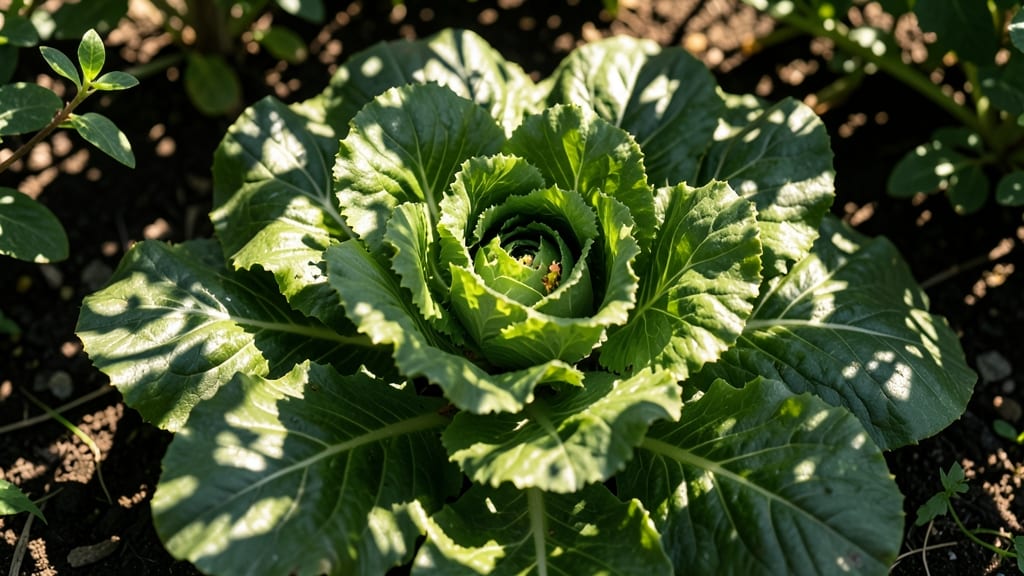
Growing crisp, flavorful lettuce 🥬 depends on one thing more than soil or water: whether it gets sun or shade—and getting it wrong can turn your harvest into bitter, bolted disappointment.
Struggling to grow crisp, flavorful lettuce? The battle between sun and shade isn’t just about light—it’s about avoiding bitter leaves, bolting plants, and attracting pests. Discover the perfect balance for your garden’s conditions.
Leaf lettuce thrives with 4-6 hours of morning sun, while head varieties like romaine need partial shade in hot climates to stay sweet. Too much sun? Your lettuce will bolt. Too little? It’ll stretch and taste bland.
In this guide, I’ll break down the ideal light for your variety, how to protect your plants from heat stress, and the easiest shade solutions to keep your harvest crisp all season long.
 Best Window Placement
Ideal sunlight requirements for different lettuce varieties
Growing lettuce successfully starts with understanding its sunlight needs. Too much sun can cause bitter flavors and bolting, while too little shade leads to leggy, weak plants. The key is finding the perfect balance for each variety to ensure crisp, flavorful harvests.
Let’s break down how much sun your lettuce truly needs based on its type.
Most gardeners assume lettuce thrives in full sun, but the reality is more nuanced. Leaf lettuce and loose-leaf varieties often tolerate more sunlight, while butterhead and romaine prefer gentle, filtered light.
Even a few hours of intense afternoon sun can turn your lettuce bitter or cause it to bolt prematurely, especially in hot climates.
If you’re growing lettuce in a hot climate, prioritize morning sunlight and provide afternoon shade using shade cloth or nearby trees. This mimics the natural conditions lettuce prefers and prevents it from bolting.
For example, planting lettuce near taller crops like tomatoes or corn can create a natural shade canopy during peak sun hours.
In cooler climates, lettuce can handle full sun without issues, but even here, afternoon shade can improve flavor and texture. I’ve found that butterhead varieties wilt quickly in direct afternoon sun, so I always place them in spots with gentle light.
For leaf lettuce, a mix of sun and shade keeps the leaves tender and reduces bitterness.
Adjusting your lettuce’s sunlight exposure isn’t just about placement—it’s also about timing. In summer, lettuce planted in late afternoon shade (e.g., under a patio cover) often produces sweeter leaves than those in full sun.
Conversely, in spring or fall, lettuce can thrive in full sun for 6-8 hours daily without bolting.
Watch for signs of stress: yellowing leaves indicate too much sun, while long, thin stems signal insufficient light. If your lettuce starts to bolt (sending up a flower stalk), it’s a sign it’s received too much heat or light.
In this case, harvest immediately or provide immediate shade relief with a shade cloth or temporary cover.
For container gardening, choose pots with lightweight soil and place them on a wheeled cart or stand to move lettuce between sun and shade as needed. This flexibility is especially useful for butterhead varieties, which can’t tolerate intense sunlight.
A simple trick I use is rotating containers every few days to ensure even light exposure.
Finally, remember that soil temperature plays a role too. Lettuce grows best in cool soil (below 75°F/24°C). If your garden gets hot, prioritize shade and mulch heavily to keep roots cool.
This combination of light management and temperature control is the secret to growing lettuce that’s crisp, flavorful, and ready to harvest.
How to protect lettuce from bolting in hot sunlight
When summer heat arrives, your lettuce plants might start sending up flower stalks—a process called bolting—turning your crisp greens into bitter, woody stems. This happens when lettuce senses prolonged heat or drought and shifts its energy from leaf production to seed creation.
The good news? With the right strategies, you can keep your lettuce cool, crisp, and productive even in the hottest months.
Bolting isn’t just about lost harvests—it also makes lettuce more vulnerable to pests like aphids and diseases that thrive in stressed plants. The key is balancing sunlight exposure, soil moisture, and variety selection to trick your lettuce into thinking it’s still in ideal growing conditions.
Let’s explore the most effective tactics to save your summer harvest.
⚠️ Warning: Heat Triggers Bolting Faster Than You Think!
Lettuce bolts when soil temperatures exceed 80°F (27°C) or when plants experience drought stress. Even one hot week without shade or water can send your lettuce into flower mode. Act now—once bolting starts, reversing it is nearly impossible.
Quick Fix: Move potted lettuce to shadier spots immediately if temps rise. For in-ground plants, mulch heavily to keep roots cool.
Start by choosing heat-tolerant lettuce varieties designed to handle warmer climates. Varieties like Jericho, Black Seeded Simpson, and Oakleaf are bred to resist bolting better than traditional types. These varieties can tolerate up to 85°F (29°C) soil temperatures without triggering flower stalks, giving you a longer harvest window.
Plant these in late summer or early fall when temperatures begin to drop, but still benefit from extended growing seasons.
Shade is your lettuce’s best friend during peak heat. Use shade cloth (30-50% coverage) to filter harsh afternoon sun, which is the most intense. Install it over raised beds or row covers to create a microclimate that keeps soil and leaves cooler.
Alternatively, plant lettuce under dappled shade from trees or near taller plants like corn or sunflowers, which provide natural shade without blocking all light. Aim for 4-6 hours of morning sun and afternoon shade to maintain growth without stress.
Mulching is a game-changer for preventing bolting. Apply a 2-3 inch layer of organic mulch—like straw, grass clippings, or shredded leaves—around your lettuce plants to insulate the soil. This keeps roots cool and retains moisture, reducing the risk of drought stress.
For extra protection, use black plastic mulch in extreme heat, which absorbs sunlight and warms the soil slightly—but pair it with shade cloth to avoid overheating the plants themselves. Replenish mulch every few weeks as it breaks down.
Watering matters just as much as shade. Lettuce needs consistent moisture, especially in heat, but avoid soggy soil, which can cause rot. Water deeply in the morning to encourage deep root growth and reduce evaporation.
Use drip irrigation or soaker hoses to deliver water directly to the soil, minimizing leaf wetness that attracts pests. In containers, check soil moisture daily—potted lettuce dries out faster and bolts quicker than in-ground plants. If you notice the outer leaves wilting slightly, it’s a sign to water immediately.
Finally, consider succession planting in short-season climates. Instead of planting all your lettuce at once, sow small batches every 2-3 weeks from spring through early summer. This ensures you always have young, tender lettuce coming in as older plants bolt.
Choose fast-maturing varieties (30-45 days) like Salad Bowl or Little Gem for quick harvests before heat sets in. With these strategies, you’ll enjoy crisp, flavorful lettuce all season long—no bolting in sight! 🥬