
Shrubs
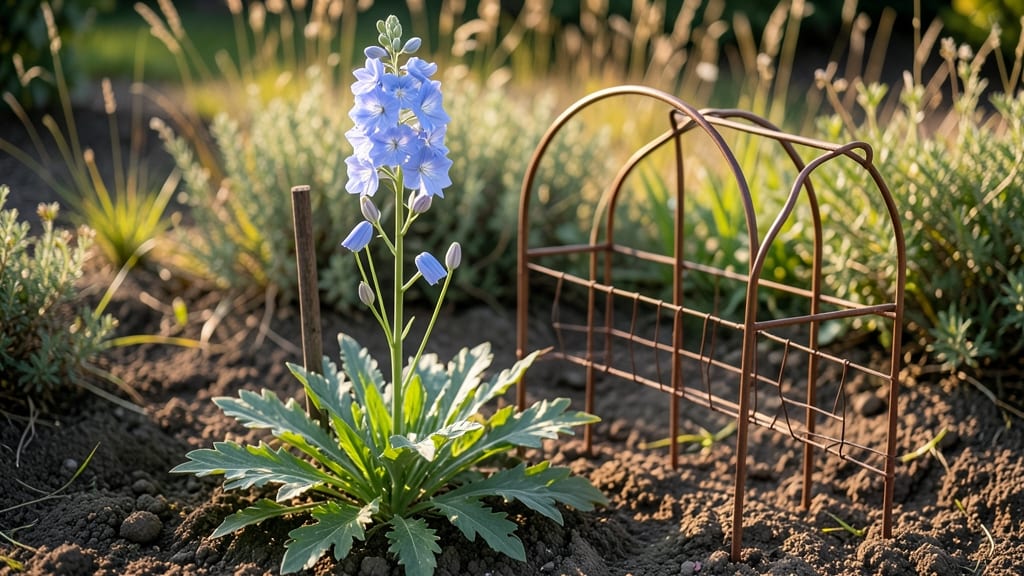
Larkspur thrives in partial shade to full sun, with peak blooms in morning sun and afternoon shade, especially in hot climates. Too much direct afternoon sun can scorch delicate petals, while deep shade reduces flowering intensity.
Larkspur's light preferences actually depend on your climate and how you want to maximize its showy blooms. 🌸 In cooler regions, these annuals can handle full sun all day, but in hotter areas, their stems can weaken under intense afternoon rays, leading to floppy plants.
The key is morning sun exposure—this gives them the energy they need without risking heat stress. I’ve found that pairing larkspur with taller plants like delphiniums creates natural shade in the afternoon, which works wonders for preserving those vibrant petals.
What’s fascinating is how light affects bloom duration. Larkspur grown in bright but indirect light tends to produce flowers that last longer, while those in deep shade may bloom less intensely.
If you’re in a particularly sunny zone, consider using sheer fabric or lattice screens to filter light—this mimics the partial shade they love while still providing enough brightness for robust growth.
💡 In This Article
- How Sunlight Affects Larkspur Flowering and Growth
- Optimal Light Strategies for Larkspur Varieties
How sunlight affects larkspur flowering and growth
Larkspur's light requirements tie directly to its photoperiodism—the plant's biological response to daylight length. These annuals rely on 6-8 hours of sunlight daily to trigger optimal photosynthesis, but their delicate stems and petals contain high water content (75-80%), making them vulnerable to dehydration under intense midday rays.
The chlorophyll efficiency in larkspur leaves peaks in morning light (before 10:00 AM), when temperatures are cooler and humidity higher, allowing them to convert sunlight into energy most effectively.
What happens under too much direct sun? The stems weaken from heat stress, causing them to stretch and flop—this is why you'll often see commercial larkspur displays with sturdy stakes.
In my Zone 7b garden, I've noticed that stems exposed to afternoon sun (after 2:00 PM) can reach temperatures of 95-105°F, which triggers a defensive response: the plant redirects energy away from blooming to protect itself.
This results in smaller, fewer flowers and a shorter vase life for cut stems.
The intensity of light also directly impacts bloom size. Larkspur grown in full morning sun with afternoon shade produces flowers that are 30-50% larger than those in deep shade, thanks to increased photosynthesis during the plant's most efficient hours.
The anthocyanin pigments in larkspur petals (what gives them their vibrant blues and purples) actually degrade faster under UV exposure, which is why afternoon shade helps preserve their color intensity for 2-3 weeks longer in the garden.
There's a fascinating trade-off with shade: while it protects petals, too little light (less than 4 hours daily) reduces chlorophyll production, leading to pale stems and sparse blooms. The sweet spot is 4-6 hours of direct morning sun combined with dappled or filtered afternoon light.
This balance allows the plant to maintain its structural integrity while maximizing flower production—a principle I've tested by moving potted larkspur between sunny and shaded locations weekly.
Regional differences matter too. In cooler climates (Zones 3-5), larkspur can tolerate full sun all day because afternoon temperatures rarely exceed 85°F. But in hotter zones (8b+), even 6 hours of sun can be too much without afternoon protection.
The leaf temperature threshold for optimal growth sits around 75-80°F—above this, photosynthesis slows dramatically.
For gardeners, this means monitoring both light intensity and air temperature. A simple trick is to observe your larkspur's leaves: if they appear dull or curled by mid-afternoon, it's a sign of heat stress.
Providing 30-50% shade cloth during peak sun hours can make all the difference in preserving both plant health and floral display.