
Vegetables
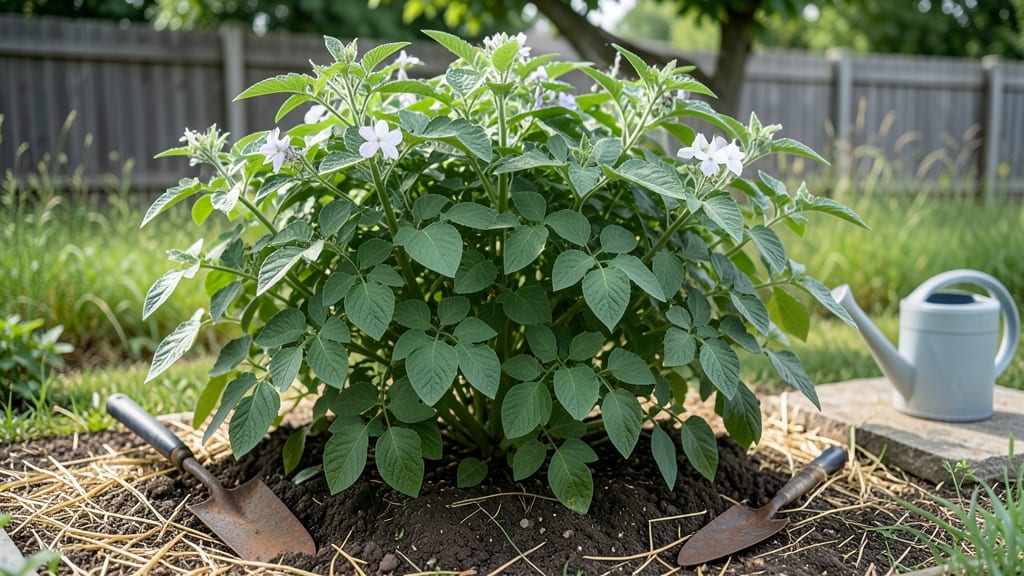
Sweet potatoes are not nightshade vegetables—they belong to the morning glory family (Convolvulaceae), while true nightshades like tomatoes, potatoes, and peppers are part of the Solanaceae family. This distinction matters for allergies, cultivation, and how they're used in cooking.
This botanical difference isn't just academic—it impacts everything from garden planning to dietary restrictions. 🌱 Sweet potatoes thrive in warm climates and don't share the solanine compounds found in many nightshades, making them safer for people with nightshade sensitivities.
Their vine-like growth habit also sets them apart from the bushy nightshade plants we're more familiar with.
The confusion often stems from their similar culinary uses—both can be roasted, mashed, or baked. However, their growing requirements differ dramatically: sweet potatoes prefer sandy, well-drained soil and longer growing seasons, while nightshades like tomatoes need richer soil and shorter maturity times.
This means you can't simply swap them in recipes or garden layouts without considering these fundamental differences.
💡 In This Article
- Botanical Differences Between Sweet Potatoes and Nightshades
- Growing Sweet Potatoes vs. Nightshade Vegetables: Key Gardening Tips
Botanical differences between sweet potatoes and nightshades
The sweet potato (Ipomoea batatas) belongs to the Convolvulaceae family, also known as the morning glory family, while true nightshades like tomatoes, potatoes, and peppers are part of the Solanaceae family. This distinction isn't just about classification—it affects their biological traits.
Sweet potatoes produce heart-shaped leaves with pointed tips and grow on trailing vines, while nightshades typically have compound leaves with deep lobes and upright growth habits. 🌿
One key difference lies in their chemical composition. Nightshades contain solanine, a natural toxin that can cause digestive upset in sensitive individuals, especially when green or sprouted. Sweet potatoes, however, contain zero solanine and instead provide beta-carotene (which converts to vitamin A) and complex carbohydrates.
Their orange flesh comes from carotenoids, while nightshades like tomatoes get their red color from lycopene—a completely different pigment family.
Another critical difference is their reproductive structure. Sweet potatoes reproduce via modified roots (tubers) called "slips," which are actually stems that grow from the original tuber. Nightshades, on the other hand, produce true underground tubers (like potatoes) or fruits (like tomatoes).
This means sweet potatoes are propagated differently—often by planting whole tubers or slips in warm soil, while nightshades are grown from seeds or seed potatoes.
The confusion between sweet potatoes and nightshades often arises because they share some culinary characteristics, like starchy textures and earthy flavors. However, their botanical families are as different as apples and oranges.
For example, sweet potatoes are more closely related to morning glories (which produce beautiful trumpet-shaped flowers) than they are to tomatoes or potatoes. 🌸 This explains why they don't share the same growing requirements or pest vulnerabilities.
Consider this visual comparison: a sweet potato vine can spread up to 10 feet in a single season, producing multiple tubers along its length, while a tomato plant grows vertically and produces fruits on its stems.
The tubers themselves also differ—sweet potatoes have a rough, fibrous skin when raw, while potato skins are smoother and thinner. These physical differences reinforce their separate botanical classifications.
For allergy sufferers, this distinction is crucial. Some people experience reactions to nightshades due to solanine or other compounds, but these same individuals can often tolerate sweet potatoes without issue.
The absence of solanine in sweet potatoes makes them a safer alternative for those with nightshade sensitivities, despite their similar culinary roles.
Understanding these botanical differences helps explain why sweet potatoes behave differently in the garden and kitchen. Their morning glory relatives include ornamental plants and some tropical vines, while nightshades include both vegetables and medicinal plants like belladonna.
This diverse lineage shows how important proper classification is for everything from gardening to culinary applications. 🌱