
Pests and Diseases
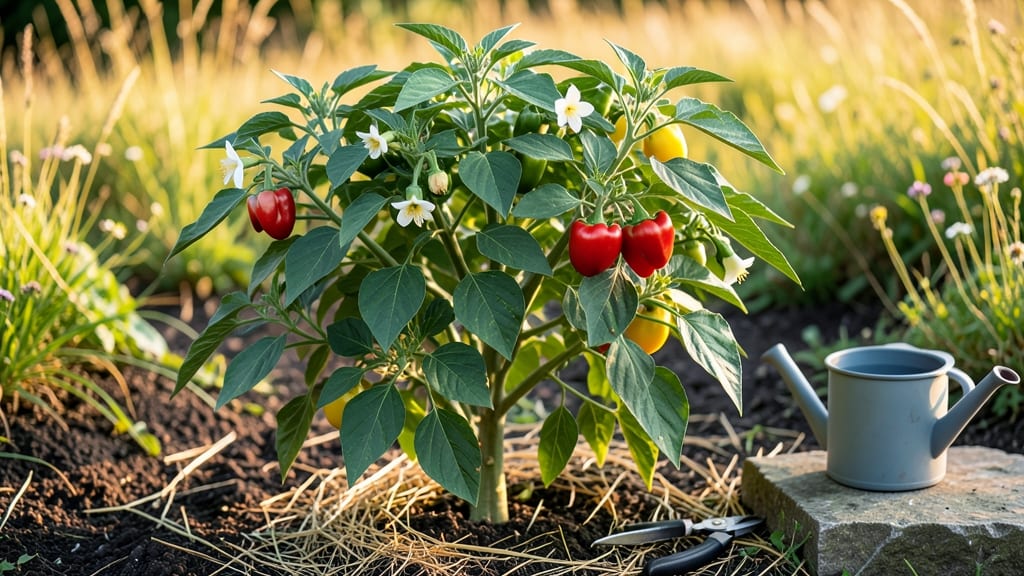
Black pepper isn't a nightshade—it comes from the Piperaceae family, while nightshades (such as tomatoes, potatoes, and eggplants) belong to the Solanaceae family. This distinction is crucial for gardeners and those avoiding nightshade-related sensitivities.
This difference isn't just academic—it affects everything from garden planning to dietary choices. 🌱 Black pepper plants thrive in warm, humid climates and need well-draining soil, while nightshades prefer cooler temperatures and richer soil.
Many people with nightshade sensitivities can safely use black pepper, but cross-contamination in gardens can still be a risk if you're growing both nearby.
Understanding these distinctions helps when managing allergies or dietary restrictions. For example, while black pepper won't trigger nightshade reactions, some processed seasoning blends might contain nightshade-based additives. Always check labels if you're sensitive!
💡 In This Article
- Botanical Differences Between Black Pepper and Nightshades
- Growing and Using Black Pepper vs. Nightshades in Gardens
Botanical differences between black pepper and nightshades
Black pepper (Piper nigrum) belongs to the Piperaceae family, a group of flowering plants that includes over 3,000 species—most notably pepper plants and their relatives like betel pepper. The nightshade family (Solanaceae), however, contains around 2,700 species, including tomatoes, potatoes, and eggplants.
These families differ in their botanical structures: Piperaceae plants have separate male and female flowers, while Solanaceae plants typically have bisexual flowers with both reproductive organs.
The confusion often arises because both families produce fruits that are commonly used as spices or vegetables.
Black pepper's fruit is a small, round berry that turns from green to red when ripe, while nightshades produce berries or berry-like fruits (like tomatoes) that vary widely in shape and color. 🌿 Black pepper plants also grow as perennial vines, reaching up to 10-15 feet tall, whereas nightshades are typically annual herbs or shrubs with more compact growth habits.
The leaves of black pepper are heart-shaped and glossy, while nightshade leaves often have a rougher texture and vary in shape.
Chemically, they also differ significantly. Black pepper contains piperine, the compound responsible for its sharp heat, while nightshades are rich in alkaloids like solanine and capsaicin (in peppers). Solanine, found in potatoes and tomatoes, can cause digestive upset in some people, while piperine is generally well-tolerated.
This chemical distinction is why black pepper is safe for those avoiding nightshades, but cross-contamination in processing can sometimes occur.
Another key difference lies in their reproductive strategies. Black pepper plants rely on wind and insects for pollination, producing small, hard berries that must be dried and processed to become the black peppercorns we use.
Nightshades, on the other hand, often have brightly colored fruits that attract animals for seed dispersal. This evolutionary difference reflects their ecological niches—black pepper thrives in tropical forests, while nightshades adapt to a wider range of climates.
For those managing dietary restrictions, this botanical distinction is critical. While black pepper itself is nightshade-free, some commercial spice blends may include fillers or additives from the Solanaceae family. Always check labels if you're sensitive to nightshades, as even trace amounts can trigger reactions in some individuals. 💡
Understanding these differences also helps explain why black pepper and nightshades are used so differently in cooking. Black pepper's heat is dry and pungent, while nightshades often contribute sweetness, acidity, or earthiness to dishes. Their distinct botanical origins shape their culinary roles entirely.