
Companion Plants
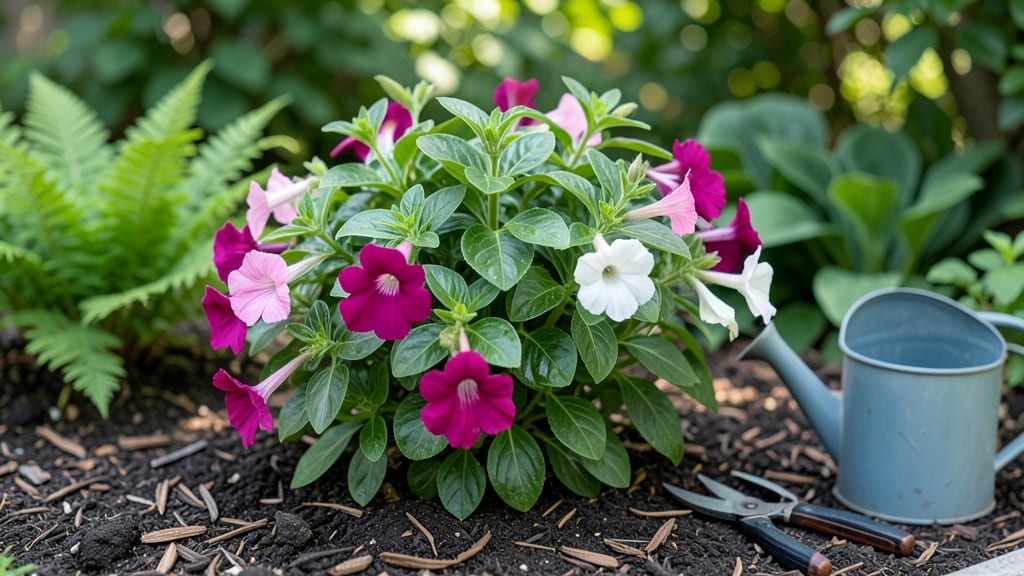
Transform your gloomiest garden corners with these impatiens shade plants—the bold, fuss-free bloomers that thrive where others wilt. ✨ I’ve turned my shady spots into lush, colorful havens, and the trick is simpler than you’d think: these plants thrive where others give up, blooming from spring until frost with minimal fuss.
Start with the right conditions: partial to full shade (morning sun is fine, but hot afternoon rays will scorch them), rich, moist soil, and consistent watering. Most varieties need 6-8 hours of filtered light—think dappled sunlight through trees or a north-facing wall.
The key is avoiding soggy soil; they hate wet feet but won’t survive drought either.
What you’ll end up with is a nonstop floral display in spots where other plants struggle. Expect clusters of pink, red, or white blooms year-round, with foliage that stays lush even when temperatures dip.
They’re also beginner-friendly: no pruning, no fussing, just cut back leggy stems in early summer to encourage bushier growth.
Pair them with ferns, hostas, or caladiums for a layered shade garden that feels like a lush forest retreat. The only real trouble you’ll face is aphids (spray with soapy water) or powdery mildew (improve airflow).
With these tips, your shady spots will become the envy of the neighborhood—no sunshine required.
📚 In This Guide
- What you need
- Instructions
- Tips and common mistakes
- Wrapping up and next steps
What you need
- ● Impatiens seedlings or plants: 6–12 plants (depending on desired coverage; New Guinea impatiens need more space than garden impatiens)
- ● Choose healthy, disease-free specimens with lush foliage and buds.
- ● Well-draining potting mix: 5–10 gallons (for containers) or 1–2 cubic yards (for garden beds)
- ○ Optional: Amend with compost (20–30% by volume) for extra nutrients.
- ● Containers or garden bed: Containers: 10–14" diameter pots (1 plant per pot) or 18"+ hanging baskets (3–5 plants per basket).
- ● Garden beds: Partial shade (2–6 hours of sunlight) with moist, well-drained soil.
- ● Slow-release fertilizer: 10–20–10 NPK ratio (follow package instructions for application rates).
- ● Mulch: 2–3 inches of organic mulch (e.g., shredded bark or pine needles) to retain moisture.
- ● Misting bottle (for humidity-loving New Guinea impatiens)
- ● Plant stakes or cages (if stems need support)
- ● Watering can with a gentle spray nozzle
- ● Soil moisture meter (to monitor watering needs)
- ● Fungicide (preventative treatment for powdery mildew-prone areas)
How to plant and maintain impatiens for stunning shade gardens
Impatiens bring vibrant color to shady spots where other plants struggle—here's how to keep them thriving all season.
🌱 Step 1: Choose the Right Location and Prepare the Soil
Impatiens crave dappled shade to full shade with protection from harsh afternoon sun. Look for spots under trees or on north-facing walls where they receive 3-6 hours of indirect light daily. I test locations by observing how much light they get—if nearby plants like ferns thrive, your impatiens will too.
Amend the soil with 2-3 inches of compost before planting to ensure good drainage while retaining moisture. Impatiens hate soggy roots, so if your soil stays wet for more than a day after rain, mix in sand or perlite to improve aeration. Work the amendments into the top 6 inches of soil for best results.
🪴 Step 2: Plant Impatiens at the Correct Depth and Spacing
Dig holes twice as wide as the root ball but only as deep as the container they came in. Gently remove plants from their pots and tease apart any circling roots—this encourages outward growth. Place each plant so the top of the root ball sits even with the soil surface (never deeper).
Space plants 10-12 inches apart for bushy varieties or 8-10 inches for trailing types. Crowding leads to weak stems and poor air circulation, which invites fungal diseases. Water each hole deeply before inserting the plant, then backfill with soil while pressing lightly to eliminate air pockets.
☀️ Step 3: Water Consistently and Fertilize for Continuous Blooms
Keep the soil evenly moist but never waterlogged—impatiens wilt quickly when thirsty but also rot in soggy conditions. Water in the early morning so foliage dries by evening, reducing fungal risks. You'll know moisture is right when the top ½ inch of soil feels slightly damp to the touch.
Feed plants every 2-3 weeks with a balanced liquid fertilizer (10-10-10) diluted to half strength. I always fertilize after watering to prevent root burn. For extra-long blooms, deadhead spent flowers weekly by pinching them off at the stem base—this redirects energy to new buds instead of seed production.
✂️ Step 4: Prune and Maintain for Bushy Growth
Pinch back the tips of young plants when they reach 4-6 inches tall to encourage branching. This simple step prevents leggy growth and creates fuller bushes. Throughout the season, trim any stems that look overcrowded or leggy by cutting just above a leaf node—new growth will sprout from there within 1-2 weeks.
Watch for yellowing leaves, which usually signal overwatering or nutrient deficiency. If you see powdery mildew (white fuzzy patches), remove affected leaves immediately and treat with a neem oil solution (1 tablespoon per gallon of water). I've found that good air circulation from proper spacing prevents 90% of fungal issues.
⏰ Step 5: Extend the Season with Simple Care
To keep impatiens blooming until frost, remove any yellow or damaged leaves monthly and apply a slow-release fertilizer in early summer. If your climate has mild winters, mulch plants with 2 inches of shredded bark in late fall to protect roots from freezing. In spring, remove old mulch and refresh with new compost.
For container-grown impatiens, move pots to a sheltered spot before first frost and water sparingly until leaves die back. Most varieties are annuals, but if you save seeds (from hybrid varieties, this won't work), you can try overwintering in a cool greenhouse. I've had best luck propagating from cuttings in early spring—just dip stems in rooting hormone and place in moist perlite.
Tips & tricks for perfect impatiens shade plants
These simple secrets will help your impatiens thrive and keep blooming all season long.
Location Intelligence: Pay attention to how much light your chosen spot actually gets during different times of day. If you notice nearby ferns or hostas thriving, your impatiens will too. I've found that east-facing spots with morning sun and afternoon shade work beautifully—just avoid areas where sunlight hits after noon. The 3-6 hours of indirect light mentioned in Step 1 should be spread throughout the day, not concentrated in just a few hours.
Soil Prep Hack: When amending soil with 2-3 inches of compost, mix in a handful of coffee grounds too. The nitrogen boost helps prevent yellowing leaves while improving soil structure. For heavier clay soils, add an extra inch of perlite to the 6-inch amended zone—this prevents waterlogging without sacrificing moisture retention. I always do a quick soil test by squeezing a handful: if it forms a tight ball, add more perlite; if it crumbles easily, you're good to go.
Watering Wisdom: The early morning watering in Step 3 is crucial, but timing matters just as much as amount. Water when the top ½ inch of soil feels slightly damp—this means checking the soil, not just guessing based on time. I set a small flag in the soil near my plants as a visual reminder. For container-grown impatiens, water when the soil feels dry 1 inch down, as containers dry out faster than garden beds.
Pruning Pro Tip: When pinching back stems at 4-6 inches, make your cuts just above a leaf node where new growth will emerge. Use clean scissors or pruners to avoid spreading disease. I've found that doing this every 4-6 weeks throughout the season keeps plants bushy and prevents the leggy growth that makes impatiens look sad. For trailing varieties, let some stems grow longer to create that beautiful cascading effect while still pinching back the main stems.
Pro Tips for Impatiens Shade Plants
- These simple secrets will help your impatiens thrive and keep blooming all season long.
- Location Intelligence: Pay attention to how much light your chosen spot actually gets during different times of day.
- Soil Prep Hack: When amending soil with 2-3 inches of compost, mix in a handful of coffee grounds too.
Frequently asked questions
Got questions about keeping your impatiens thriving in shady spots?
Here are answers to the most common ones—so you can enjoy vibrant blooms all season long!
Can impatiens grow in completely dark corners?
Not ideally! While impatiens tolerate partial shade (2-6 hours of filtered light), they’ll struggle in pitch-black spots. Look for at least dappled sunlight or bright indirect light. If your space is too dim, consider low-light alternatives like ferns or caladiums.
How long does it take for impatiens to bloom after planting?
With the right care, you’ll see buds in 4-6 weeks! Start with healthy nursery plants (not seeds) for faster results. Keep soil moist and fertilize lightly with a balanced formula every 2-3 weeks. Pro tip: Deadhead spent blooms to encourage nonstop flowers!
Why are my impatiens leaves turning yellow or spotted?
Yellowing leaves often signal overwatering or fungal issues (like powdery mildew). Let the top inch of soil dry between waterings, and avoid wetting foliage. For spots, improve airflow by spacing plants 8-12 inches apart. Severe cases? Prune affected leaves and treat with neem oil.
Can impatiens survive winter outdoors?
Nope—not in most climates! Impatiens are annuals and die back in frost. If you love them, treat them as summer stars: Plant in spring, enjoy their blooms, then compost them in fall. For year-round color, try evergreen impatiens (like Impatiens walleriana) or shade-tolerant perennials.
What’s the best fertilizer for impatiens in shade?
Use a balanced, water-soluble fertilizer (like 10-10-10) diluted to half-strength every 2-3 weeks. For extra shade-loving power, switch to a higher-phosphorus formula (e.g., 5-10-5) to boost blooming. Skip high-nitrogen feeds—they’ll give you leaves, not flowers!
Can I grow impatiens in containers?
Containers are perfect for impatiens—they love the extra moisture retention. Use a well-draining potting mix with peat or coconut coir, and choose pots with saucers to prevent root rot. Bonus: Mix in slow-release fertilizer at planting for hassle-free feeding!
Wrapping up and next steps
Impatiens shade plants are a game-changer for brightening up dim corners of your garden with minimal effort! 🌿 Whether you're a seasoned gardener or just starting out, their vibrant blooms and low-maintenance nature make them a perfect choice for adding year-round color.
With the right care—like choosing the right variety, ensuring proper soil, and providing occasional watering—you’ll enjoy a lush, cheerful display that keeps pests and diseases at bay.
Now that you’re armed with the knowledge, take the next step! Pick your favorite impatiens variety, grab your gardening tools, and give your shady spots the glow-up they deserve. Happy planting! 🌸