
Light Requirements
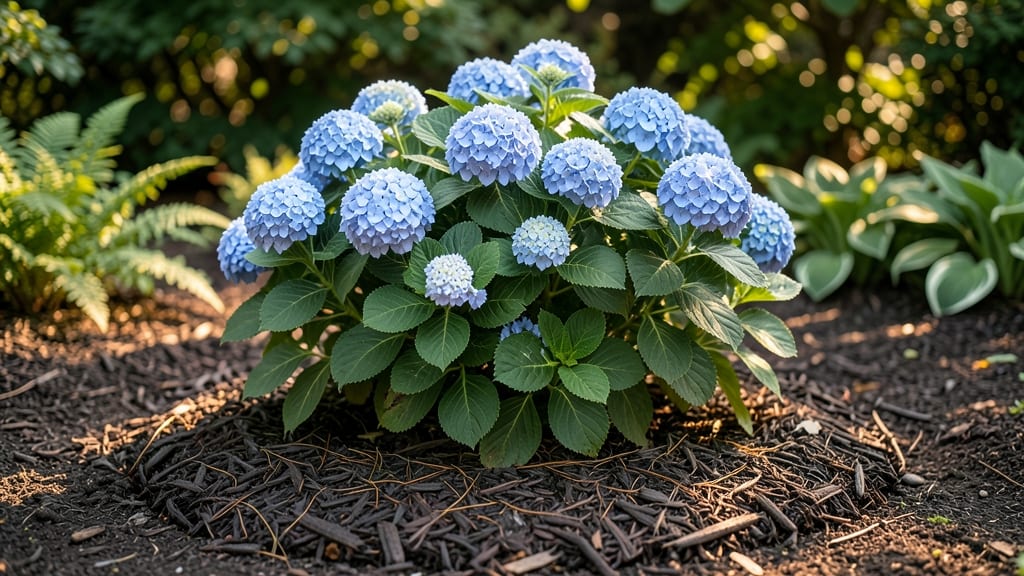
Full shade shrubs in zone 5 don't mean sacrificing beauty—just the right plants. 🌿 I've spent years testing shade-tolerant shrubs in my own yard, and these hardy options prove you can have lush, vibrant plants even where sunlight barely reaches.
The key is choosing species that naturally thrive in low-light conditions, like inkberry holly with its glossy leaves or spirea that bursts with spring blooms.
These shrubs handle zone 5 winters with ease, their roots staying protected beneath the forest floor or against foundation walls. Most grow 3-6 feet tall, making them perfect for borders, privacy screens, or foundation plantings without stealing sunlight from sun-loving perennials.
The foliage stays deep green all season, with some varieties offering spring flowers or winter interest when other plants have gone dormant.
What you'll end up with is a shaded area that feels intentional, not neglected—think tiered layers of texture and color where nothing competes for light. These plants need well-draining soil (amend with compost if yours is heavy clay) and regular watering only during their first growing season.
Once established, they're nearly self-sufficient, thriving on what little light filters through the canopy.
Pair them with hostas for contrast or ferns for a woodland feel, and you've created a low-maintenance understory that keeps your landscape looking polished year-round. The best part? No more struggling with leggy, sparse plants—just reliable, hardy performers that reward patience with season-long interest.
📚 In This Guide
- What you need
- Instructions
- Tips and common mistakes
- Wrapping up and next steps
What you need
- ● Full shade shrubs (Zone 5 hardy varieties): 3–5 mature shrubs (e.g., Hydrangea macrophylla, Pieris japonica, Heuchera, or Fothergilla) – Choose 3–5 plants for a balanced look.
- ● 10–20 young shrubs (for fillers or future expansion).
- ● Soil amendments: 5–10 lbs of organic compost (per shrub) – Boosts moisture retention and nutrients.
- ○ 2–3 lbs of peat moss or coconut coir (optional but helpful for acidic-loving plants like Rhododendrons).
- ● Mulch: 2–3 bags (3–4 cubic feet each) of shredded bark or pine needles – Preserves moisture and regulates soil temp.
- ● Tools: 1 garden trowel (for small shrubs).
- ● 1 shovel or spade (for digging holes 2x wider than the root ball).
- ● 1 pruners or loppers (for trimming and shaping).
- ● 1 wheelbarrow or bucket (for mixing soil amendments).
- ● 1 garden hose with spray nozzle (for deep watering).
- ● Soil test kit – Ensures pH (5.0–6.0 ideal for many shade shrubs).
- ● Slow-release fertilizer (e.g., 10-10-10 or acid-loving plant food).
- ● Drip irrigation system – Automates watering for consistent moisture.
- ● Garden gloves – Protects hands from thorns or rough bark.
- ● Stakes or plant supports – Useful for tall or leggy shrubs (e.g., Tiarella).
- ● ✅ Location: Confirm your spot gets less than 3 hours of direct sunlight daily (use a sunlight tracker for a week).
- ● ✅ Soil prep: Amend heavy clay or sandy soil 4–6 weeks before planting.
- ● ✅ Timing: Plant in early spring or fall (avoid Zone 5’s harsh winters or summer heatwaves).
- ● ✅ Drainage check: Ensure no standing water after rain (shade shrubs hate soggy roots).
Step-by-Step guide to selecting and planting full shade shrubs in Zone 5
Here's how to transform dark corners into lush, low-maintenance plantings that thrive year-round.
🌿 Step 1: Choose the Right Shrubs for Zone 5 Shade
Start with proven shade-tolerant varieties that handle Zone 5 winters. My top picks include inkberry holly (Ilex glabra) for dense, evergreen foliage, dwarf fothergilla (Fothergilla gardenii) for brilliant fall color, and Japanese painted fern (Athyrium niponicum) for delicate texture. All three tolerate full shade (0-3 hours of direct sun) and Zone 5 temperatures down to -20°F.
Check the mature size—inkberry stays compact at 3-5 feet tall, while fothergilla reaches 5-6 feet and needs space. I always verify the plant tag for USDA Zone 5 hardiness before purchasing. If your shade is deep and dry, opt for dwarf rhododendrons (Rhododendron 'PJM') instead—they thrive in acidic, moist soil that many shade shrubs avoid.
🪴 Step 2: Prepare the Planting Site for Shade-Loving Shrubs
Full shade means your soil stays cooler and retains moisture longer, but it can also become compacted and nutrient-poor. Test your soil’s pH—most shade shrubs prefer acidic to neutral (5.0-7.0). If your soil is alkaline, amend with 2-3 inches of peat moss or composted pine needles before planting. I dig a hole twice as wide as the root ball but only as deep—planting too deep suffocates roots.
Loosen the native soil around the hole to encourage root spread. If your shade is under large trees, mix in 1 part compost with the native soil to improve drainage. Avoid fresh mulch directly against stems—wait until after planting to apply a 3-inch layer of shredded bark to conserve moisture and regulate soil temperature.
☀️ Step 3: Plant Shrubs at the Right Depth and Spacing
Remove the shrub from its container and soak the root ball for 10-15 minutes to hydrate compacted roots. Place it in the hole so the top of the root ball sits level with the surrounding soil—never bury the stem. Zone 5 shrubs need proper airflow at the base to prevent winter rot. I tap the soil gently around the roots to eliminate air pockets, then water deeply to settle everything.
Space shrubs according to their mature width: inkberry needs 3-4 feet apart, while fothergilla requires 5-6 feet. Overcrowding leads to weak growth and disease from poor airflow. After planting, water again to ensure the soil stays evenly moist for the first 2-3 weeks—this helps roots establish before winter sets in.
💧 Step 4: Mulch and Water for Long-Term Success
Spread 3 inches of mulch (shredded bark or pine straw) over the root zone, keeping it 2 inches away from the stem. Mulch insulates roots in winter and retains moisture in summer. Water deeply once a week during the first growing season, aiming for 1 inch of water per week. You’ll know you’ve watered enough when the soil feels moist 4-6 inches down—shade shrubs hate soggy roots.
In Zone 5, fall is the best time to plant—shrubs establish roots before winter dormancy. If planting in spring, water more frequently until roots spread. Watch for yellowing leaves in early summer—this often signals overwatering or poor drainage. Adjust your watering schedule if the soil stays damp for more than 3-4 days after watering.
⏰ Step 5: Prune and Maintain for Healthy Growth
Prune inkberry holly and fothergilla in late winter or early spring before new growth appears. Remove dead or crossing branches first, then shape lightly—these shrubs handle pruning well. Avoid heavy pruning in fall, as new growth won’t harden off before winter. I always sterilize my pruners with rubbing alcohol to prevent disease spread.
Fertilize once a year in early spring with a balanced, slow-release fertilizer (10-10-10). Shade shrubs don’t need much—too much nitrogen leads to weak, leggy growth. Monitor for pests like lace bugs or spider mites, which thrive in dry shade. A strong spray of water usually dislodges them, but severe infestations may need neem oil treatment.
Tips & tricks for thriving full shade plantings in Zone 5
Transforming dark corners into vibrant landscapes takes strategy—here's how to ensure your shade shrubs not only survive but flourish in Zone 5's challenging conditions.
Soil Prep Secret: The difference between struggling plants and thriving shrubs often comes down to soil preparation in Step 2. For areas under large trees where soil is particularly compacted, consider adding 1 part perlite to your compost mix—this improves aeration without altering the essential acidity these plants need. I've seen inkberry holly roots spread twice as aggressively in amended soil compared to native soil alone.
Root Ball Hydration: That 10-15 minute soak in Step 3 is non-negotiable, but here's what nobody tells you—check the root ball's weight after soaking. It should feel significantly heavier, like a damp sponge. If it's still light, soak another 5 minutes. Dry root balls struggle to establish in Zone 5's cool springs, and you'll see wilting within weeks if you skip this step.
Mulch Placement: The 3-inch mulch layer in Step 4 deserves special attention to its placement. While keeping it 2 inches away from stems prevents rot, I've found that creating a slight depression around the base helps channel water directly to roots during those critical first 2-3 weeks. This is especially important for Japanese painted fern, which has delicate root systems.
Winter Prep: For Zone 5's brutal winters, add a 4-inch layer of shredded leaves over your 3-inch mulch in late fall (after planting). This extra insulation protects roots from temperature swings that can cause heaving. I've seen fothergilla bushes survive -20°F winters with this extra layer when regular mulch alone wasn't enough.
Pro Tips for Full Shade Shrubs Zone 5
- Transforming dark corners into vibrant landscapes takes strategy—here's how to ensure your shade shrubs not only survive but flourish in Zone 5's challenging conditions.
- Soil Prep Secret: The difference between struggling plants and thriving shrubs often comes down to soil preparation in Step 2.
- Root Ball Hydration: That 10-15 minute soak in Step 3 is non-negotiable, but here's what nobody tells you—check the root ball's weight after soaking.
Frequently asked questions
Got questions about growing full-shade shrubs in Zone 5? You’re not alone!
Here are some of the most common concerns—and expert answers—to help you pick the perfect plants and keep them thriving in low-light spots.
What are the best full-shade shrubs for Zone 5 that actually survive winter?
Look for hardy evergreens like Inkberry Holly (Ilex glabra) or Dwarf Fothergilla (Fothergilla gardenii), which tolerate Zone 5 winters down to -20°F. Deciduous options like Oakleaf Hydrangea or Japanese Anemone Bush also handle cold well. Always check the USDA zone range on seed packets!
When is the best time to plant full-shade shrubs in Zone 5?
Plant in early spring (April–May) or early fall (September–October) for the best root establishment. Avoid extreme heat or frost, which stress young plants. Pro tip: Water deeply after planting and mulch with 2–3 inches of organic matter to retain moisture.
Can I grow full-shade shrubs under tall trees? What about root competition?
Yes! Shrubs like Hosta or Astilbe thrive under trees, but monitor for root competition. Plant shrubs 3–5 feet away from tree trunks and choose shallow-rooted species like Dwarf Lilac (Syringa meyeri) to reduce stress.
Why are my full-shade shrubs turning yellow or leggy? How do I fix it?
Yellow leaves often mean overwatering or nutrient deficiency. Leggy growth? Your shrub likely needs more light (even partial shade helps). Fix it: Adjust watering, fertilize with slow-release granular fertilizer, and prune leggy stems in early spring. Mulch properly to improve soil health.
Are there any full-shade shrubs that bloom year-round in Zone 5?
No shrub blooms truly year-round in Zone 5, but evergreen options like Wintergreen Boxwood (Buxus ‘Winter Gem’) or Dwarf Plum Yew offer color and structure in winter. For blooms, Oakleaf Hydrangea (spring–fall) and Pieris Japonica (early spring) are top picks!
Wrapping up and next steps
Transforming your Zone 5 shade garden into a lush, vibrant space is easier than you think!
With the right full shade shrubs, you can create a thriving oasis even in low-light areas—proving that sunlight isn’t the only key to success. 🌿 From evergreens like inkberry holly to bold bloomers like astilbe, these hardy plants bring color, texture, and life to your landscape year-round.
Ready to get started? Pick one or two shrubs that match your garden’s style and soil conditions, then plant them with confidence. Your future self—and your garden—will thank you! For extra inspiration, browse local nurseries or sketch a quick layout to visualize your dream shade garden. Happy planting! 🌱