
Light Requirements
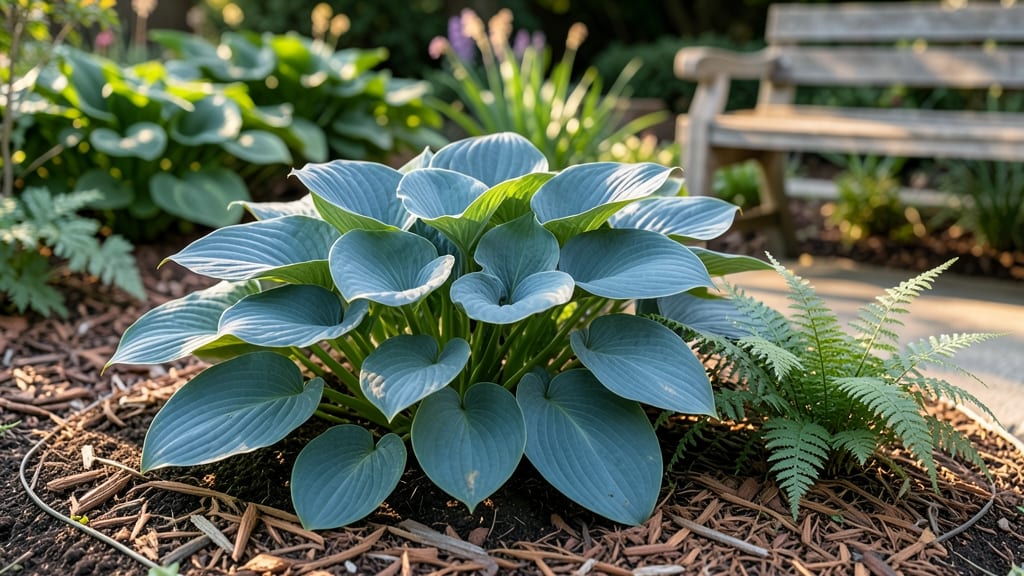
Full shade perennial flowers prove that dim corners aren't dead zones—just waiting for the right plants. 🌿 I've transformed my darkest garden spot into a lush, vibrant retreat by choosing shade-loving perennials that thrive where others fade.
The secret lies in selecting species that match your light conditions and soil, then giving them the care they truly need.
Hostas, astilbes, and ferns top the list for their ability to flourish in low light, but don't overlook hellebores and lungwort for their unique textures and colors. These plants reward patience with bold foliage and season-long blooms, even when sunlight is scarce.
The key is preparing soil rich in organic matter and watering consistently—shade plants often need more moisture than their sun-loving cousins.
Once established, these perennials become low-maintenance stars in your garden, offering year-round interest with minimal effort. You'll love how they fill empty spaces with lush greenery and delicate blooms, creating a serene atmosphere that feels like a secret garden.
The best part? They handle pests better than many sun-loving plants, making them a foolproof choice for challenging spots.
Whether you're working with a shady woodland edge or a north-facing patio, these perennials adapt beautifully. Start with a few reliable varieties, then expand as you discover what thrives best in your specific conditions. Your dark garden corners will soon become the most rewarding parts of your landscape!
📚 In This Guide
- What you need
- Instructions
- Tips and common mistakes
- Wrapping up and next steps
What you need
- ● Full shade perennial flowers: Choose from shade-tolerant varieties like Hosta, Hellebore, Astilbe, Ferns, or Bleeding Heart. Buy 3–5 plants per square foot for a lush look.
- ● High-quality potting soil or garden soil: Opt for moisture-retentive, well-draining soil (e.g., Miracle-Gro Shade Mix or FoxFarm Ocean Forest). You’ll need 1–2 cubic yards for a 10’x10’ area.
- ● Compost or organic matter: Mix in 2–3 inches of compost to enrich the soil before planting (e.g., Black Kow or homemade compost).
- ● Mulch: Use 2–3 inches of shredded bark or pine needles (e.g., Cedar mulch) to retain moisture and suppress weeds.
- ● Garden gloves and knee pads: Protect your hands and joints—Wolverine Rubber Co. gloves or FrogToggs knee pads work great.
- ● Hand trowel or transplanting spade: A 6–8 inch trowel (e.g., Fiskars Steel) makes digging easier.
- ● Watering can or hose with a gentle nozzle: Shade plants need consistent moisture—aim for 1–1.5 gallons per plant weekly.
- ● Pruners (bypass or anvil):strong> For trimming dead foliage or shaping plants (e.g., Felco F-2).
- ● Slow-release fertilizer: Use a balanced 10-10-10 or shade-specific fertilizer (e.g., Espoma Organic Shade Plant Food) once in early spring.
- ● Soil pH test kit: Most shade perennials prefer slightly acidic to neutral soil (pH 6.0–7.0). A Luster Leaf kit makes testing easy.
- ● Shade cloth (30–50% coverage): Useful if your area gets partial sun or harsh afternoon light.
- ● Decorative stones or edging: Add river rocks or copper edging to define borders and deter weeds.
- ● Plant labels: Use biodegradable labels or chalkboard tags to track varieties.
How to design a stunning full-shade perennial garden
Here's the foolproof approach I use to create vibrant shade gardens that bloom reliably year after year.
🌿 Step 1: Select the Right Perennials for Your Light Conditions
Start by choosing plants that thrive in less than 3 hours of direct sun daily. My go-to shade-loving perennials include hostas (for foliage), astilbes (feathery plumes), heucheras (colorful foliage), and bleeding hearts (delicate blooms). Each has different height and spread requirements—hostas stay compact while astilbes reach 3-4 feet tall—so plan your layout accordingly.
I always group plants by water needs to simplify care. For example, pair moisture-loving ligularia with ferns in one area, and drought-tolerant heucheras with sedge grasses in another. This creates natural microclimates within your shade garden. Check plant tags for specific shade tolerances—some labeled "partial shade" need at least 2-3 hours of morning sun to perform well.
🪴 Step 2: Prepare the Soil for Optimal Growth
Full shade gardens demand rich, well-draining soil with plenty of organic matter. Amend native soil with 3-4 inches of compost and a 2-inch layer of pine bark fines to improve drainage and moisture retention. I always test soil pH—most shade perennials prefer slightly acidic to neutral (6.0-7.0)—and adjust with lime if needed.
Dig a 12-inch deep hole for each plant, about twice as wide as the root ball. This loose soil encourages root expansion. Mix the excavated soil with 1 part compost to 3 parts native soil before backfilling. For heavy clay soils, add perlite or coarse sand to prevent compaction. Water the planting hole thoroughly before setting plants in—this prevents air pockets around roots.
☀️ Step 3: Plant with Proper Spacing and Mulch Thoroughly
Follow each plant's mature spread guidelines—crowding leads to poor airflow and disease. For example, hostas need 18-24 inches apart, while astilbes require 2-3 feet of space. I mark planting locations with stakes to visualize the final garden before digging. Plant at the same depth as the root ball, firming soil gently around edges to eliminate air gaps.
Apply 3-4 inches of mulch (shredded bark or wood chips) immediately after planting to retain moisture and suppress weeds. Keep mulch 2-3 inches away from plant stems to prevent rot. Water deeply after mulching to settle everything. In the first year, I water 2-3 times per week until plants establish strong roots—you'll know they're settled when new leaves appear consistently.
💧 Step 4: Maintain Consistent Moisture and Fertility
Shade perennials typically need 1 inch of water weekly during growing season, more in extreme heat. I use a soaker hose set on low for 20-30 minutes to water deeply without disturbing foliage. Monitor soil moisture by pressing your finger 1 inch deep—if it feels dry, water again. Overhead watering can promote fungal diseases in dense shade.
Feed plants in early spring with a balanced 10-10-10 fertilizer applied at half-strength. For foliage plants like hostas, I switch to a low-nitrogen (5-10-10) formula to prevent leggy growth. Top-dress with 1 inch of compost annually in early spring. Deadhead spent blooms regularly to encourage more flowers—this is especially important for astilbes and bleeding hearts to prolong their season.
✂️ Step 5: Prune and Divide for Long-Term Health
Most shade perennials benefit from late winter or early spring cleanup. Remove dead foliage but leave last year's stems on plants like heucheras for winter interest. Cut back bleeding hearts to the ground once foliage yellows, while hostas can be trimmed back when new growth appears in spring. I never prune more than one-third of the plant at a time to avoid stress.
Divide crowded perennials every 3-5 years in early spring. For hostas, dig up the clump, separate into 3-5 inch sections with roots attached, and replant immediately. This rejuvenates plants and gives you free propagation material. After dividing, water deeply and apply a thin layer of mulch to protect new roots. You'll notice vigorous new growth within 2-3 weeks—that's your sign the division was successful.
Tips & tricks for stunning full-shade perennial gardens
Creating a thriving shade garden takes more than just planting—it's about understanding the subtle nuances that make these bold blooms truly shine.
Light Condition Nuance: The "less than 3 hours" sun guideline is crucial, but don't forget that morning sun behaves differently than afternoon sun. East-facing areas get gentle morning light that's perfect for shade plants, while west-facing spots can get intense late-day rays. If your garden gets any afternoon sun, opt for plants labeled "partial shade" like ligularia or ferns that can handle that extra warmth. I've learned this the hard way—over-planting delicate bleeding hearts in west-facing shade led to scorched foliage after just two summers.
Soil Preparation Secret: When amending with the 3-4 inches of compost and 2-inch pine bark layer, don't just dump it in the hole. Work it into the surrounding soil to create a nutrient-rich zone that extends beyond the root ball. For heavy clay soils, I add perlite or coarse sand not just in the planting hole but also spread it across the entire planting area. This prevents water pooling and root suffocation—something I only discovered after losing several hostas to root rot in my first attempt.
Plant Spacing Strategy: The 18-24 inches spacing for hostas might seem generous, but trust me—crowding is the silent killer of shade gardens. Poor airflow leads to fungal diseases that thrive in damp, shaded conditions. I mark my planting locations with stakes and sketch the mature spread on graph paper first. This visual helps me avoid the common mistake of planting astilbes too close to taller trees, where they'll compete for moisture and nutrients. The 2-3 feet spacing for astilbes might feel excessive, but their feathery plumes will reward you with dramatic height and seasonal interest.
Mulching Mastery: That 3-4 inches of mulch isn't just for looks—it's a moisture and temperature regulator. In hot summers, mulch keeps roots cool, while in winter it provides insulation. The key is maintaining that 2-3 inch gap from stems to prevent rot. I use shredded cedar mulch because it naturally repels pests and has a pleasant aroma, but any organic mulch will work. Replenish mulch annually in early spring before new growth appears—this is when your shade plants are most vulnerable to soil-borne diseases.
Pro Tips for Full Shade Perennial Flowers
- Creating a thriving shade garden takes more than just planting—it's about understanding the subtle nuances that make these bold blooms truly shine.
- Light Condition Nuance: The "less than 3 hours" sun guideline is crucial, but don't forget that morning sun behaves differently than afternoon sun.
- Soil Preparation Secret: When amending with the 3-4 inches of compost and 2-inch pine bark layer, don't just dump it in the hole.
Frequently asked questions
Got questions about growing full shade perennial flowers? You’re not alone! Here are some of the most common concerns—and their solutions—to help you create a thriving, low-light garden.
What are the easiest full shade perennials for beginners?
Start with hardy, low-maintenance picks like Hostas, Hellebores (Lenten roses), or Astilbes. These tolerate poor light, require minimal fuss, and reward you with lush foliage or cheerful blooms. Ferns (like Matteuccia struthiopteris) are also forgiving and add texture.
When is the best time to plant full shade perennials?
Plant in early spring (as soon as the ground is workable) or early fall (4–6 weeks before frost). Avoid extreme heat or cold, which can stress roots. Container-grown plants can be planted year-round in mild climates, but give them a good drink afterward!
Do full shade flowers need extra watering?
Most thrive with consistent moisture—especially in the first year—but avoid soggy soil. Hellebores and Bleeding Hearts are drought-tolerant once established, while Impatiens (annuals) may wilt if dried out. Mulch (2–3 inches) to retain moisture and protect roots.
What if my full shade garden still looks dull?
Mix foliage perennials (like Coral Bells or Japanese Painted Ferns) with bloomers for year-round interest. Add height with Foxgloves or Digitalis, and texture with ornamental grasses (Carex or Hakonechloa). Even evergreen shrubs (e.g., Pieris) can anchor the space.
Are there any pests I should watch for in full shade?
Slugs and snails love damp, shady spots—use beer traps, copper barriers, or organic slug bait (like iron phosphate). Hostas are prone to aphids; blast them off with water or introduce ladybugs. Fungal issues (like powdery mildew) may appear if airflow is poor—space plants and avoid overhead watering.
Still stumped? Drop your specific challenge in the comments! Happy gardening!
Wrapping up and next steps
Transforming your shady spots into vibrant havens is easier than you think! With the right full shade perennial flowers, you can create a lush, low-maintenance garden that thrives in dim light.
Whether you’re a seasoned gardener or just starting out, these bold blooms prove that shade doesn’t mean boring—it’s an opportunity to experiment and shine.
Ready to take the next step? Start small—pick 2-3 perennials that suit your space, test your soil, and watch your garden flourish. Happy planting! 🌿✨