
Shrubs
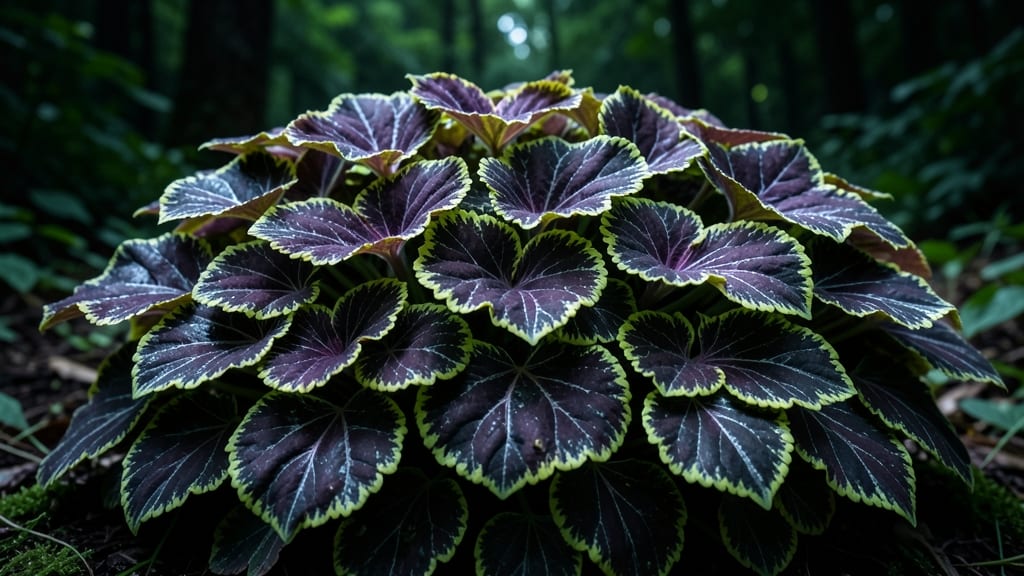
Zone 4 gardeners with shady spots don’t have to settle for boring ground covers—these 10 full-shade bushes deliver year-round interest, cold resilience, and lush foliage without demanding sunlight. Perfect for under trees, north-facing foundations, or dense woodland edges.
Dwarf Fothergilla for Fragrant Spring Blooms
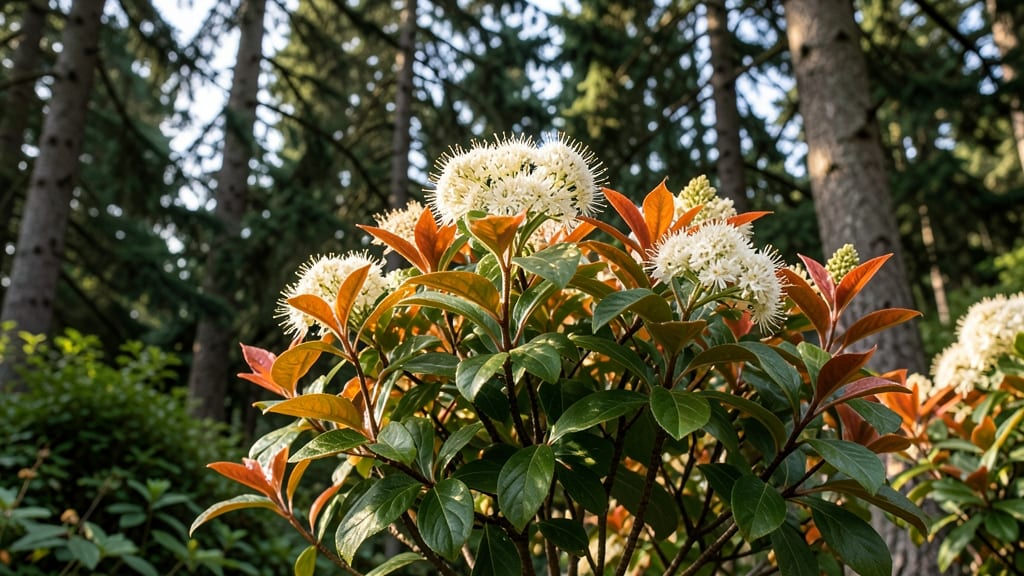
If you love the scent of spring but struggle with sun-starved garden spots, dwarf fothergilla (Fothergilla gardenii) is your perfect shade-loving ally. This compact native shrub packs a punch with fragrant, bottlebrush-shaped white flowers in late spring, followed by fiery orange-red fall foliage that rivals any maple.
Growing just 3–4 feet tall and wide, it fits snugly in small gardens, containers, or woodland edges. Unlike finicky shade plants, it thrives in deep shade and even tolerates wet soil, making it ideal for rain gardens or areas where other shrubs wilt. Simply plant in well-draining soil, water occasionally, and enjoy its low-maintenance charm.
Perfect for beginners or busy gardeners, dwarf fothergilla delivers three seasons of interest with minimal effort. 🌟
Inkberry Holly for Year-Round Structure
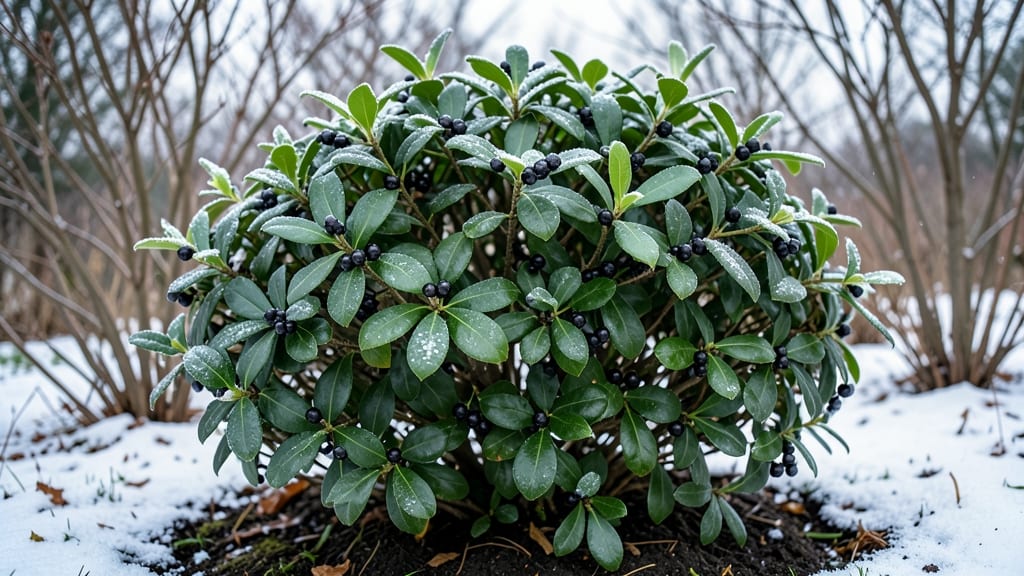
Tired of winter gardens that look bare and lifeless? Inkberry Holly (Ilex glabra) offers a stunning solution with its glossy evergreen leaves and persistent black berries that stay vibrant through snow and frost. This tough native shrub thrives in Zone 4 winters and acidic, moist soils where many other plants would struggle.
Perfect for creating hedges or privacy screens, Inkberry Holly grows 3-6 feet tall and wide, making it ideal for defining property lines or adding structure to shady corners. It handles both wet and dry conditions once established, and its dense growth naturally suppresses weeds. The berries provide food for birds year-round, adding another layer of garden functionality.
Urban gardeners and those with acidic soil challenges will love this low-maintenance workhorse. With proper pruning, it stays neatly contained while providing year-round greenery that brightens even the darkest winter days. 🌿
Japanese Painted Fern for Lush Texture
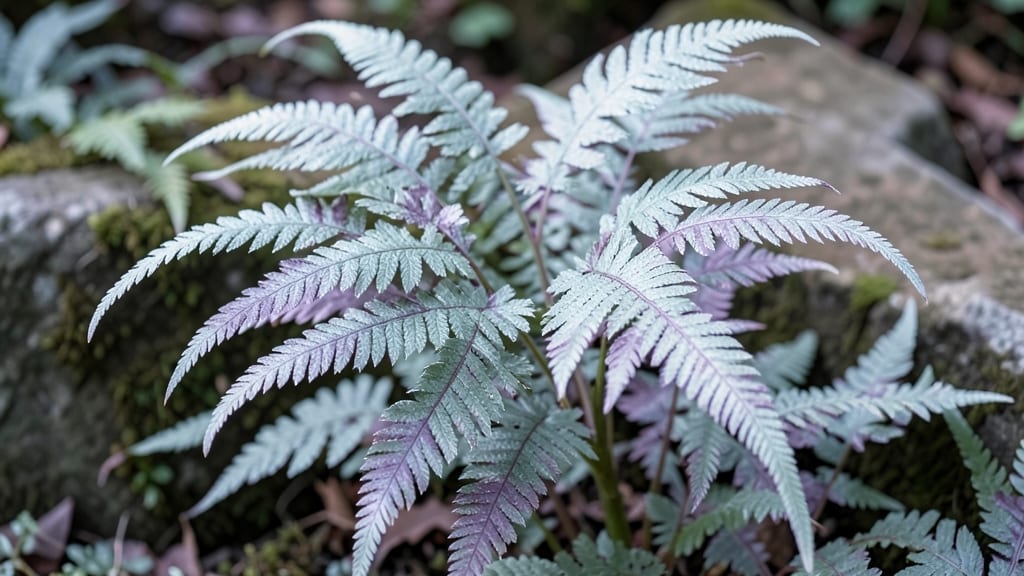
Skip the flowers—this Japanese painted fern (Athyrium niponicum var. pictum) steals the show with its silvery-green fronds and hidden deep purple undersides, creating a mesmerizing two-toned display when the wind rustles its leaves. Unlike flowering plants, its year-round texture provides drama without seasonal gaps, making it a woodland garden MVP.
This fern thrives in damp, shady spots where most plants wilt, tolerating Zone 4 winters with ease. Plant it in moist, well-draining soil enriched with organic matter, and watch it reach 18-24 inches tall with a spread of 2-3 feet—ideal for borders, containers, or understory plantings. Its arching fronds add vertical interest without requiring staking, and its non-invasive roots make it perfect for crowded gardens.
Perfect for gardeners who crave low-maintenance texture over flashy blooms, this fern also attracts pollinators to its subtle charm. Pair it with hostas or astilbes for a lush, layered shade garden that feels like a secret forest. 💚
Boxwood for Classic Foundation Planting
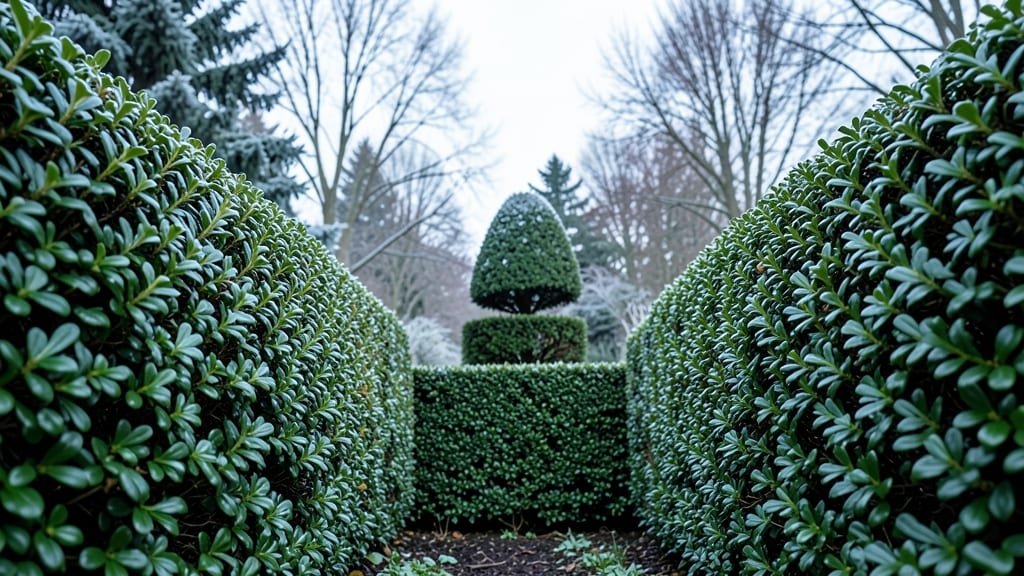
Craving a formal garden with clean lines and year-round structure? Boxwood is the classic solution—its dense, glossy foliage stays green even in Zone 4 winters, making it perfect for foundation plantings, hedges, or topiary shapes.
Once established, boxwood becomes surprisingly drought-tolerant, thriving in partial to full shade with minimal fuss. For blight resistance, choose the 'Green Velvet' cultivar, which handles fungal pressures better than traditional varieties. Prune lightly in late spring to maintain shape, and enjoy its low-maintenance elegance.
This is the ideal choice for homeowners seeking a polished, timeless look with minimal upkeep—ideal for formal gardens or traditional landscapes. 🌿
Bleeding Heart for Delicate Spring Flowers
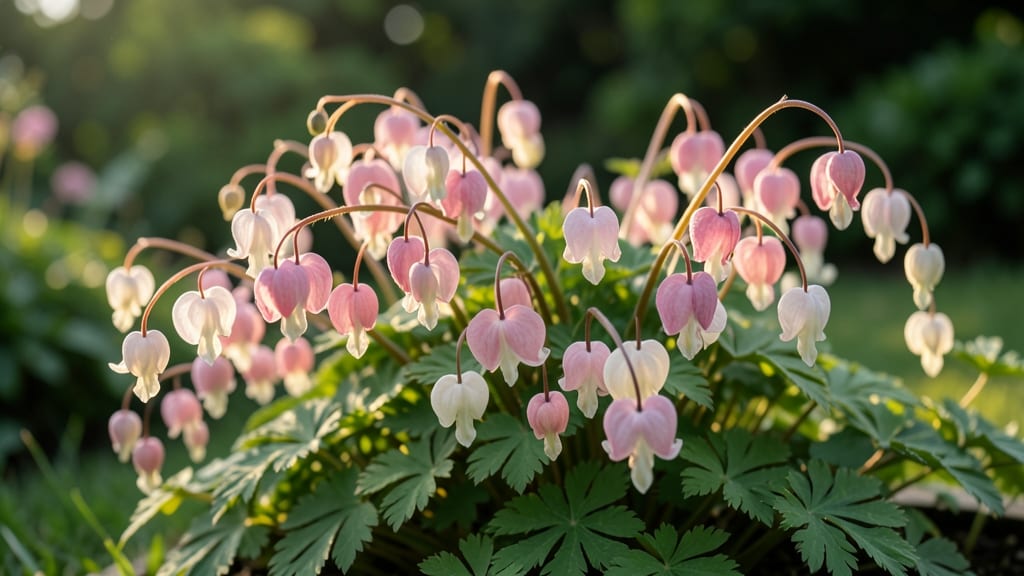
If you crave a romantic, cottage-garden feel in your shade garden, bleeding heart (Dicentra spectabilis) is the star. Its heart-shaped pink or white blooms cascade from arching stems in spring, creating a dreamy, almost whimsical display that’s impossible to ignore.
This Zone 4-hardy perennial thrives in full to partial shade and prefers moist, well-draining soil. While it dies back to the ground in summer, its roots persist—with a thick layer of mulch (2–3 inches), it’ll reliably return year after year. For best results, plant in early fall or spring, spacing clumps 18–24 inches apart to give those graceful stems room to arch.
Ideal for gardeners who love seasonal drama without fuss, bleeding heart pairs beautifully with ferns and hostas. Just remember: it’s a short-lived perennial, so plan to replace clumps every 3–5 years. 💚
Oakleaf Hydrangea for Late-Season Color
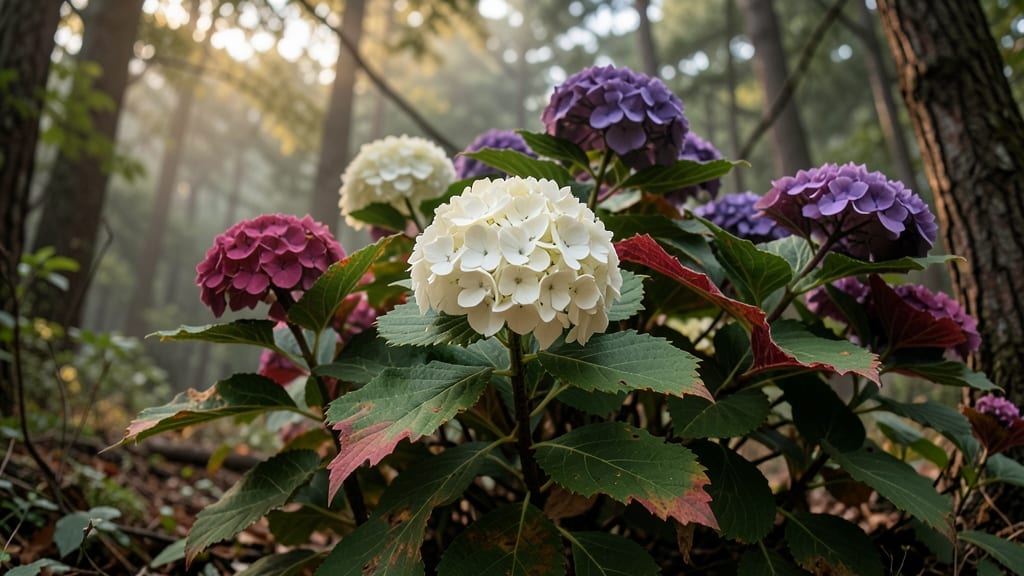
Want a shade-loving shrub that delivers three seasons of color without fuss? Oakleaf hydrangea (Hydrangea quercifolia) is your answer—its large white blooms in summer fade to deep purple in fall, while its oak-shaped leaves turn fiery red. Unlike most hydrangeas, it handles Zone 4 winters with ease, making it a standout for cold climates.
This versatile shrub thrives in partial to full shade and tolerates a range of soils, though it prefers moist, well-draining conditions. Plant it where you’ll enjoy its textured foliage and dramatic seasonal changes, like near patios or under tall trees. Prune lightly after blooming to shape, and watch it grow 4-6 feet tall with a spread of 5-8 feet—ideal for mid-border drama.
Perfect for gardeners who want low-maintenance beauty with year-round interest, oakleaf hydrangea pairs beautifully with ferns or hostas. Its cold hardiness and striking foliage make it a Zone 4 favorite that keeps your shade garden vibrant long after summer fades. ✨
Dwarf Ninebark for Tough Multi-Season Interest
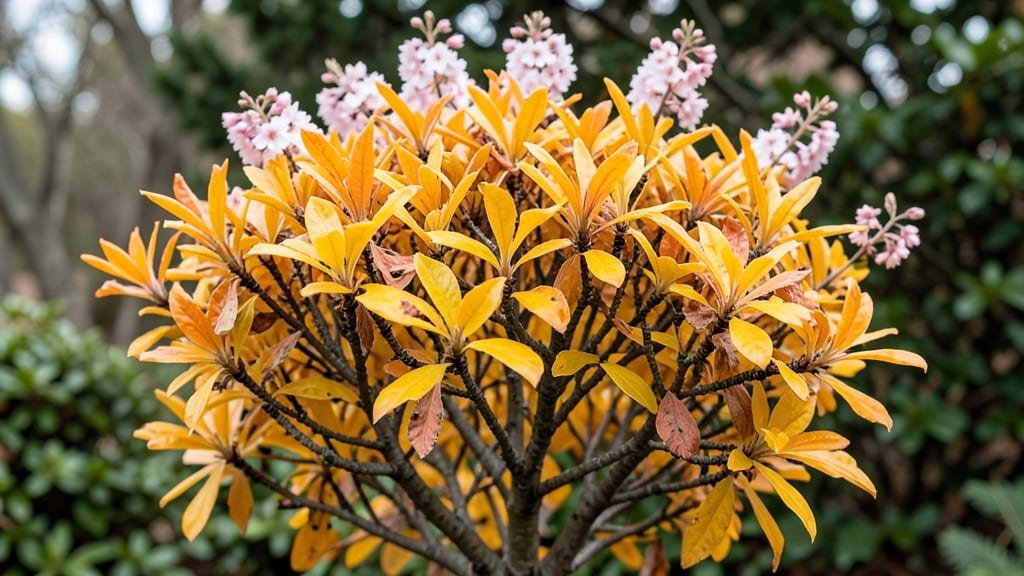
Looking for a Zone 4 shade bush that delivers drama in every season without fuss? Meet dwarf ninebark (Physocarpus opulifolius 'Little Devil'), a compact powerhouse with peeling cinnamon bark that adds winter intrigue, bright yellow fall foliage, and pink spring flowers—all on a shrub under 3 feet tall. Unlike its larger cousins, this cultivar thrives in full shade and even tolerates poor, rocky soil, making it ideal for challenging spots where other plants fail.
Plant 'Little Devil' in well-draining soil (amend with compost if needed) and water regularly the first year. Once established, it’s drought-tolerant and handles Zone 4 winters with ease. Prune lightly in late winter to shape, and enjoy its multi-season interest with almost no effort. The peeling bark alone makes it a standout in winter gardens, while its compact size fits perfectly in borders, containers, or under trees.
This is the ultimate low-maintenance, high-impact choice for gardeners who want year-round color without the upkeep. Urban gardeners, woodland-edge planners, and those with challenging soil will love its resilience. 🌟
Mitchell’s Ribbon Fern for Dramatic Fronds
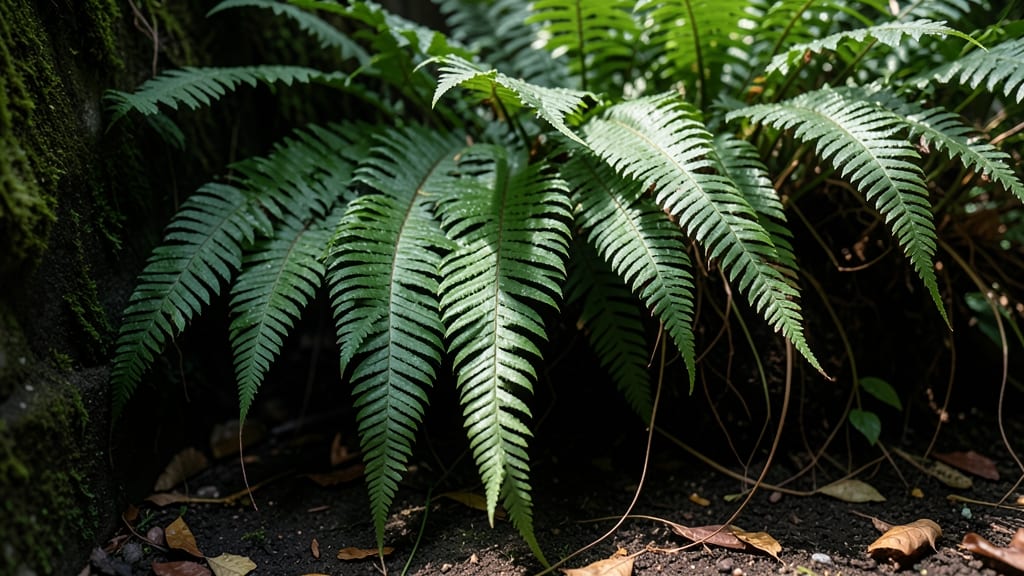
Want to add vertical drama to your shady garden without sacrificing space? Mitchell’s Ribbon Fern (Dryopteris marginalis) delivers arching fronds up to 3 feet long, creating a lush, cascading effect that turns dull corners into living art. Unlike delicate ferns, this hardy variety thrives in Zone 4 winters and loves the consistently moist, acidic soil found near ponds or in rain gardens.
This fern’s deep green, leathery fronds stay vibrant year-round, making it a standout in borders or woodland gardens. Plant it in partial to full shade with well-draining, slightly acidic soil (amend with peat moss if needed), and keep the roots moist but not soggy. Once established, it’s drought-tolerant and nearly maintenance-free—perfect for gardeners who want beauty without the fuss.
Ideal for rain garden enthusiasts, pondside plantings, or shady borders, this fern adds textural contrast to hostas, astilbes, or other shade-loving perennials. Its slow-spreading habit keeps it contained while filling vertical space elegantly. 🌿
Wintergreen for Evergreen Ground Cover
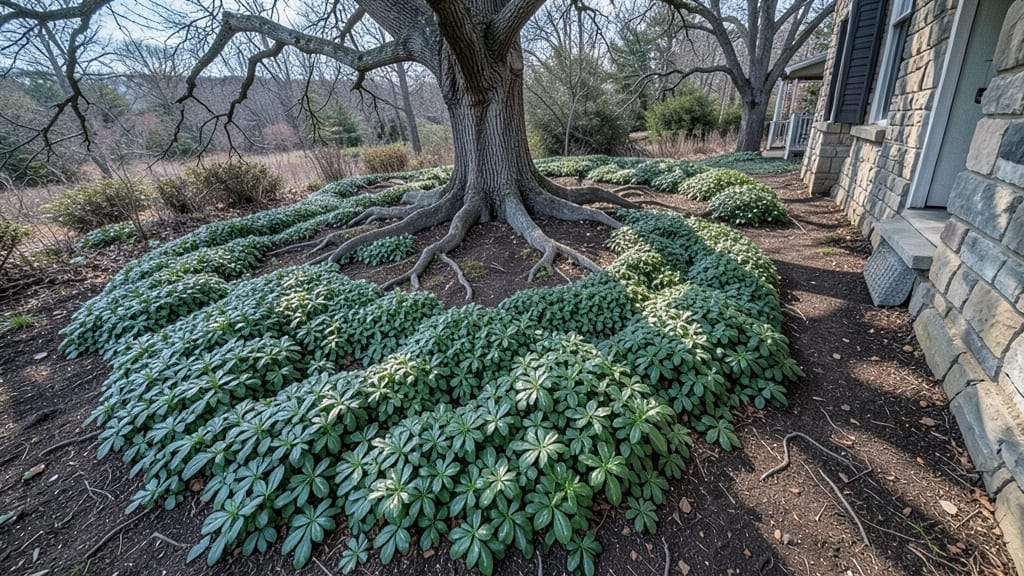
Tired of barren soil under your trees or along shady foundation edges? Wintergreen (Gaultheria procumbens) transforms these forgotten spots into a lush, evergreen carpet that stays vibrant even after the first frost. This native woodland plant spreads slowly to form a dense, weed-blocking mat while producing glossy green leaves and clusters of bright red berries that persist through winter.
Thriving in deep shade where most plants struggle, wintergreen prefers acidic, well-draining soil typical of forest floors. Its low-growing habit (6–12 inches tall) makes it ideal for ground cover, while its aromatic leaves (used traditionally for tea) add a sensory bonus. Simply plant in early spring or fall, water occasionally, and let it spread naturally—no pruning required for its natural form.
Perfect for woodland gardens, pollinator-friendly landscapes, or areas where you want to mimic a natural forest floor, wintergreen delivers year-round greenery with almost no maintenance. 🌱
Coral Bells
for Striking Foliage Variety
Looking for a shade-loving plant that delivers bold color without the woody structure? Coral bells (Heuchera) are the answer—these non-woody perennials pack a punch with foliage in purple, silver, or chartreuse hues that brighten dark corners year-round. The 'Fireworks' series takes it further with vibrant leaves and delicate summer flowers, creating a two-season show.
Thriving in full to partial shade, coral bells prefer well-draining soil and tolerate Zone 4 winters with ease. While they die back to the ground in late fall, their self-seeding habit means new plants pop up reliably each spring. For best results, plant in early fall, water moderately, and mulch to protect roots. Their compact size (12–24 inches tall) makes them perfect for borders, containers, or rock gardens.
This is the ideal choice for gardeners who want low-maintenance color without the upkeep of woody shrubs. Pair them with ferns or hostas for a layered shade garden that stays vibrant from spring through summer. 🌻