
Plants
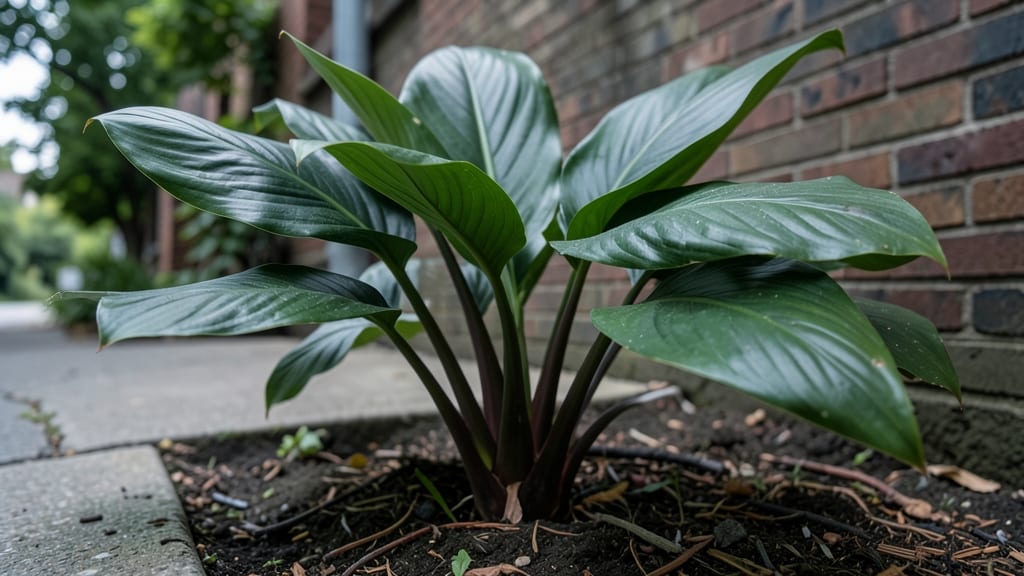
Tired of struggling with plants that wilt in shade or demand constant water? These 10 drought-resistant shade plants thrive in low-light conditions while requiring minimal care, transforming your yard’s dim corners into lush, vibrant spaces without the fuss.
Hostas for Textured Ground Cover
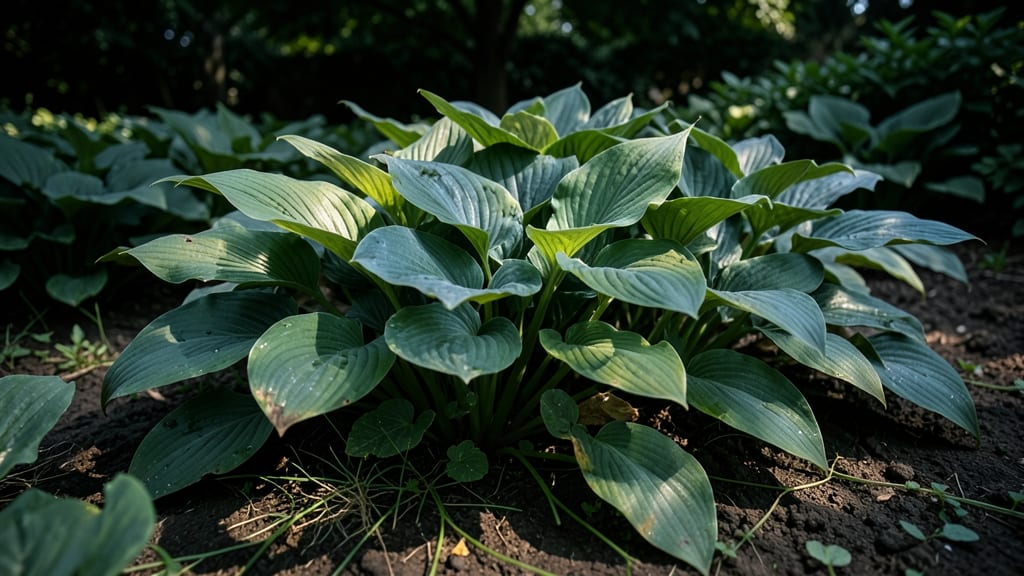
If you're looking for a low-maintenance way to transform shady spots into lush, textured landscapes, hostas are your perfect partner. These hardy perennials thrive in dry shade, tolerate poor soil, and even outcompete weeds—ideal for beginners who want instant impact with minimal effort.
Hostas come in a stunning array of foliage colors, from deep blues and purples to golden variegation, ensuring your garden stays vibrant year-round. Plant them in clusters along borders or under trees, where they’ll spread slowly but steadily, creating a living carpet that suppresses weeds naturally. Water them only when the soil feels dry to the touch—once established, they’re remarkably drought-tolerant.
Perfect for woodland gardens, urban courtyards, or even containers, hostas bring drama without drama. Beginners will love their forgiving nature, while seasoned gardeners will appreciate their versatility. 🌿
Japanese Painted Ferns for Year-Round Color
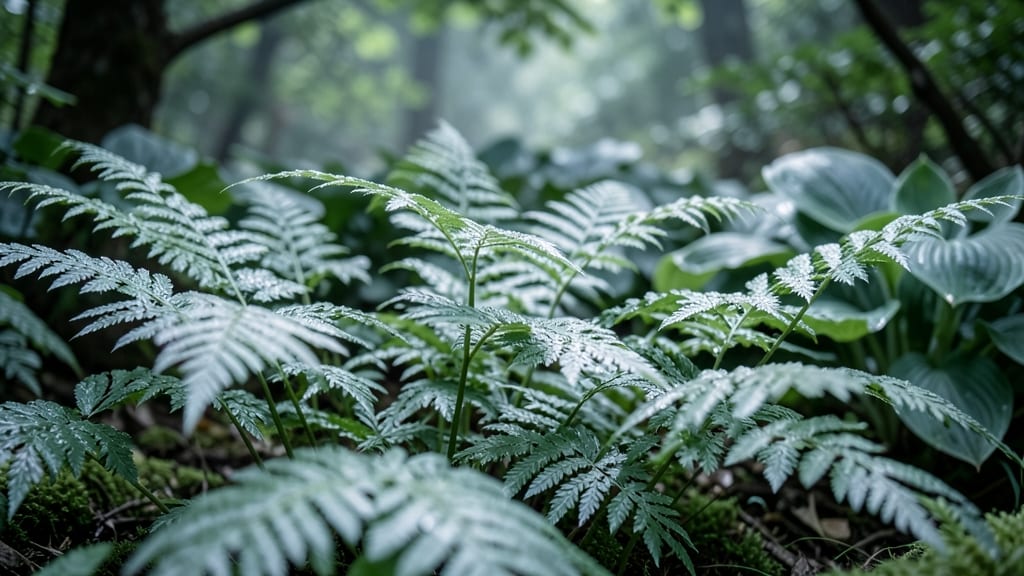
If you’re craving year-round color in your shadiest spots without the fuss of flowers or high water needs, Japanese painted ferns (Athyrium niponicum var. pictum) are your secret weapon. Their striking silver-green foliage stays vibrant even in deep shade, making them the perfect foil for hostas or under tall trees where sunlight barely reaches.
These ferns thrive in moist but well-drained soil—think woodland gardens or north-facing beds—and their delicate fronds add texture and movement without demanding attention. Bonus: they attract pollinators like bees and butterflies, turning your shady corners into mini ecosystems. For best results, mulch around the base to retain moisture and protect roots during dry spells.
Urban gardeners and woodland lovers will appreciate how these ferns soften hard edges while requiring almost no maintenance once established. Plant them in clusters for a lush, natural look that brightens even the darkest garden nooks. 🌿
Heuchera Coral Bells for Striking Foliage
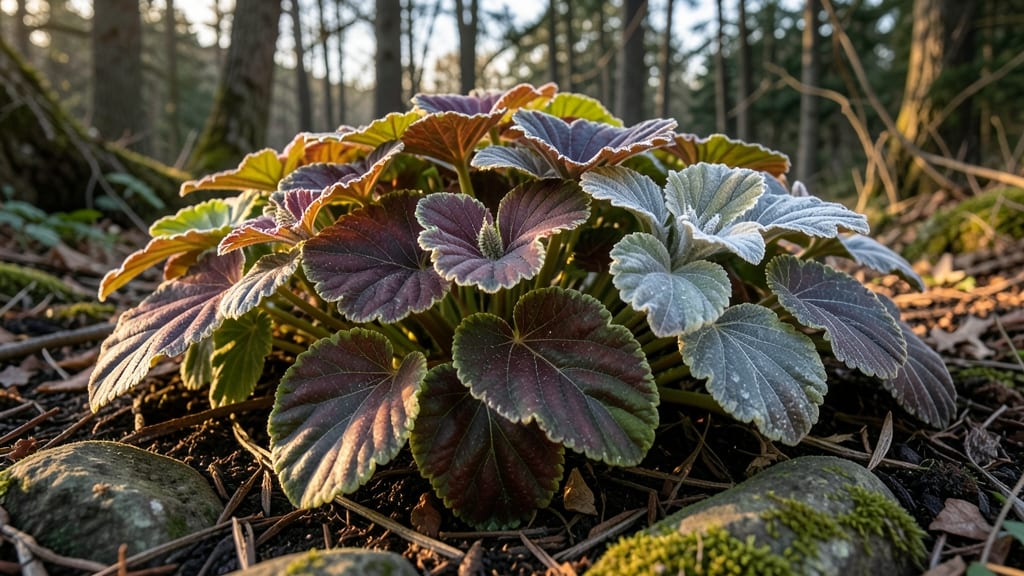
Looking for a shade plant that demands attention without demanding water? Heuchera Coral Bells deliver dramatic foliage in shades of burgundy, lime, or silver—perfect for adding bold color to dark corners where sun-loving plants struggle.
Once established, these drought-tolerant perennials thrive with minimal care, making them ideal for containers or edging shady paths. Their striking leaves contrast beautifully with dark mulch or other shade plants, while their delicate bell-shaped flowers add subtle interest in late spring. For best results, plant in well-draining soil and water occasionally after the first year.
Urban gardeners and container enthusiasts will love how Heuchera Coral Bells bring vibrant color to patios, balconies, or shady garden beds—no sunlight required! 🌻
Foamflower for Fragrant Spring Blooms
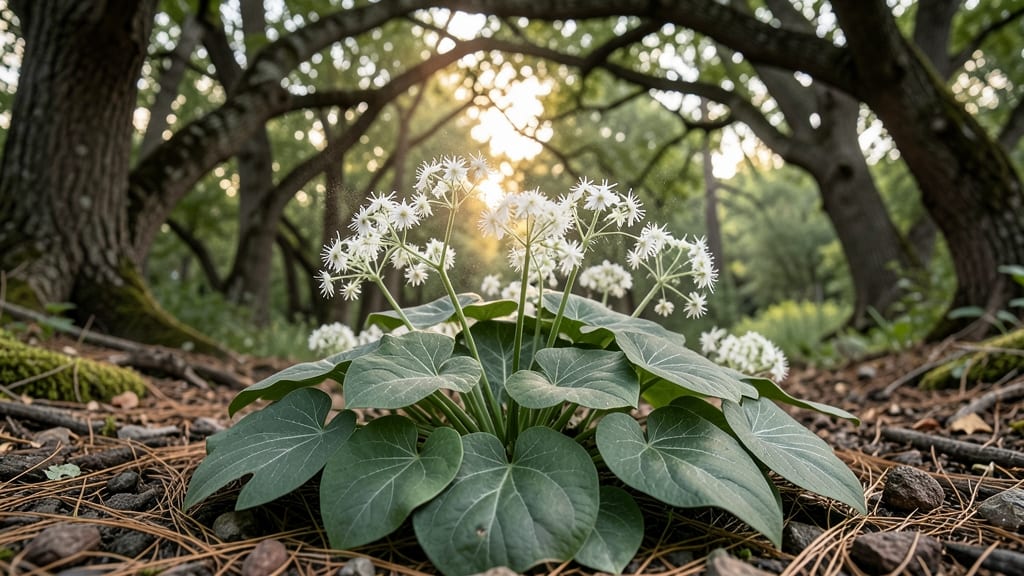
Craving a fragrant spring surprise that doesn’t demand constant care? Foamflower (Tiarella cordifolia) is your answer—a delicate woodland gem that thrives in dry shade while filling your garden with a sweet, honey-like scent. Unlike high-maintenance bloomers, this native perennial spreads slowly, making it perfect for filling gaps under trees or along woodland edges without crowding other plants.
Plant foamflower in well-drained soil with partial to full shade, and water only when the top inch feels dry. Its airy clusters of white, bell-shaped flowers appear in early spring, followed by attractive foliage that turns bronze in fall. The best part? It self-seeds lightly, creating natural drifts over time—ideal for gardeners who want effortless beauty without the upkeep of annuals.
Woodland gardeners and cottage-style enthusiasts will adore how foamflower softens shady corners while attracting early pollinators. Pair it with hostas or ferns for a lush, low-maintenance understory that smells as good as it looks. ✨
Lungwort for Medicinal and Ornamental Value
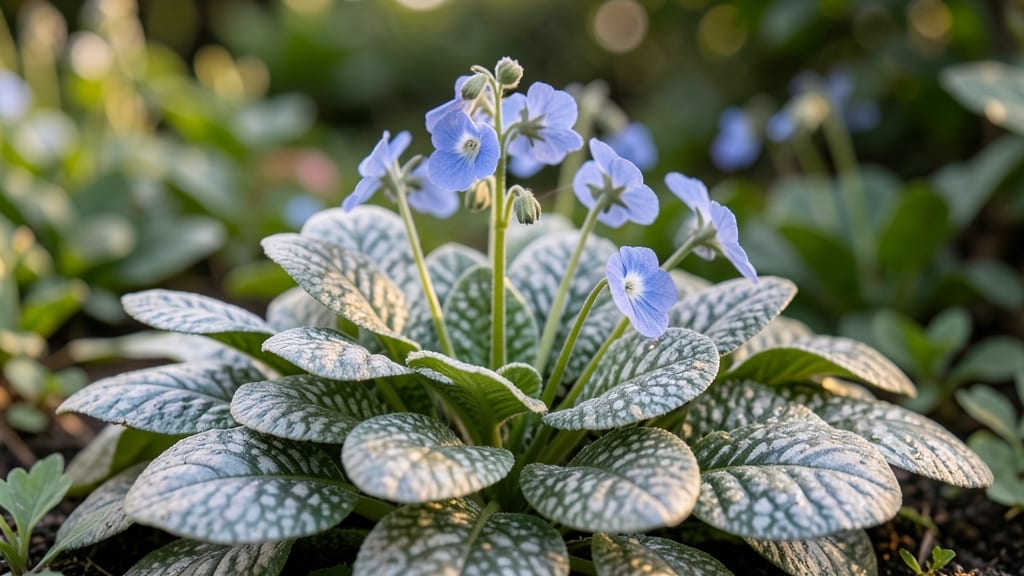
Looking for a plant that’s as useful as it is beautiful? Lungwort (Pulmonaria) bridges the gap between cottage charm and herbal medicine, offering spotted silver-green leaves and delicate blue flowers that bloom early in the season. Historically used to support respiratory health, this hardy perennial thrives in dry shade—making it perfect for understory planting or shady garden beds where other plants struggle.
The plant’s self-seeding habit means it gently spreads over time, creating natural drifts without becoming invasive. Its foliage stays attractive year-round, and the flowers provide nectar for early pollinators like bees. For best results, plant lungwort in well-drained soil and mulch to retain moisture during dry spells. It’s especially well-suited for herbalists, cottage gardeners, or anyone who loves plants with both beauty and purpose.
Whether you’re designing a medicinal garden or simply want a low-maintenance shade plant with character, lungwort delivers both ornamental appeal and historical intrigue. 💚
Sweet Woodruff for Ground Cover and Aroma
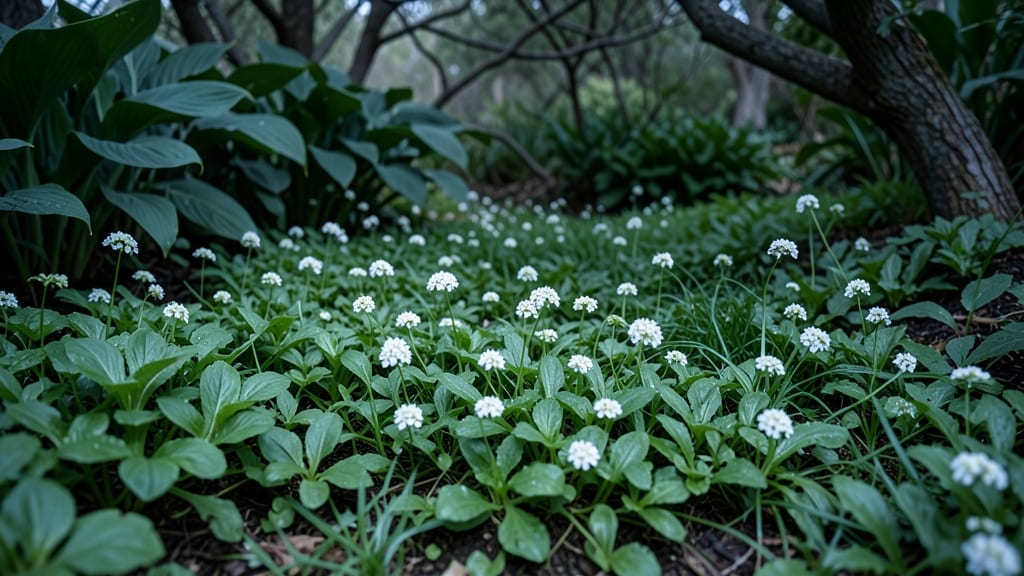
Tired of battling weeds in your shady garden nooks? Sweet woodruff (Galium odoratum) is your secret weapon—a fragrant, fast-spreading ground cover that forms dense mats to naturally suppress weeds while thriving in deep shade where most plants struggle. Its delicate white flowers in spring add a whimsical touch, and the real magic happens when you brush its leaves: a vanilla-like aroma fills the air, making it a sensory delight for gardeners and pollinators alike.
This drought-resistant perennial loves moist, well-drained soil and spreads via underground runners, creating a lush carpet under trees or along north-facing walls. For best results, plant it in early spring and mulch lightly to retain moisture. It’s also deer-resistant, making it ideal for rural or suburban gardens where wildlife browsing is a concern. Once established, it requires almost no maintenance—just occasional trimming to keep it tidy.
Perfect for woodland gardens, fairy gardens, or as a living mulch, sweet woodruff turns problem areas into fragrant, weed-free havens. Urban gardeners with shady patios or containers will also love its low-growing habit and sweet scent—just don’t crush the leaves unless you want a vanilla-scented surprise! ✨
Bleeding Heart for Classic Shade Beauty
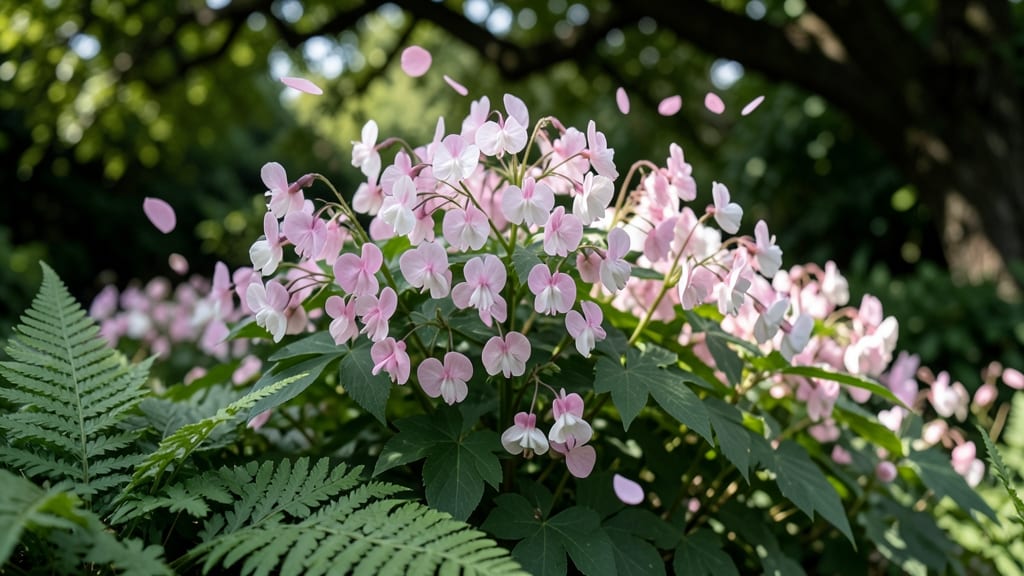
Craving a romantic touch for your shady garden without the high-maintenance upkeep? Bleeding heart (Dicentra spectabilis) delivers dreamy, heart-shaped pink or white blooms that cascade like confetti in spring—all while thriving in dry shade once established. Its fern-like foliage provides year-round texture, making it a standout for cottage-style landscapes or woodland gardens where sunlight is scarce.
Plant these perennials in moist, well-draining soil enriched with compost, and water regularly the first year to encourage root growth. After that, they’ll tolerate drought surprisingly well, rewarding you with 3-4 weeks of show-stopping flowers each spring. For vertical drama, tuck them at the back of borders or under trees, where their arching stems create natural movement and soften hard edges.
Perfect for gardeners who love nostalgia and charm, bleeding heart adds a whimsical, old-world feel to any shady spot—without the fuss of constant care. Pair it with hostas or ferns for a timeless cottage garden that feels like a secret retreat. ✨
Solomon’s Seal for Arching Elegance
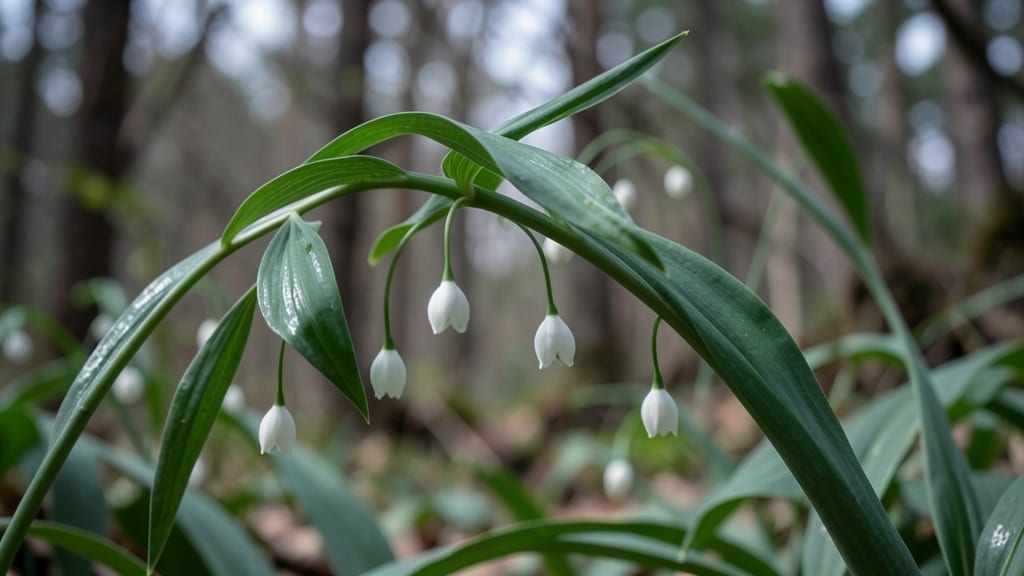
Want to add arching elegance to your shady garden without the fuss? Solomon’s Seal (Polygonatum) delivers graceful, cascading stems that create natural movement while requiring almost no attention. Its glossy, lance-shaped leaves and subtle dangling white flowers bring a refined touch to woodland edges or shady borders—ideal for gardeners who love structure without high-maintenance blooms.
This drought-tolerant perennial thrives once established, making it perfect for dry shade where other plants struggle. Plant it in well-draining soil** with partial to full shade, and water only during prolonged dry spells after the first year. Its slow, controlled spread prevents it from becoming invasive, while its arching habit adds vertical interest to beds or containers. For extra drama, pair it with ferns or hostas to create a layered, lush understory.
Perfect for cottage gardens, woodland landscapes, or as a focal point in shady beds, Solomon’s Seal brings timeless beauty with minimal effort. Gardeners who love elegant, low-maintenance perennials will adore how it transforms dull corners into serene, architectural focal points. 🌷
Alum Root for Unique Foliage and Flowers
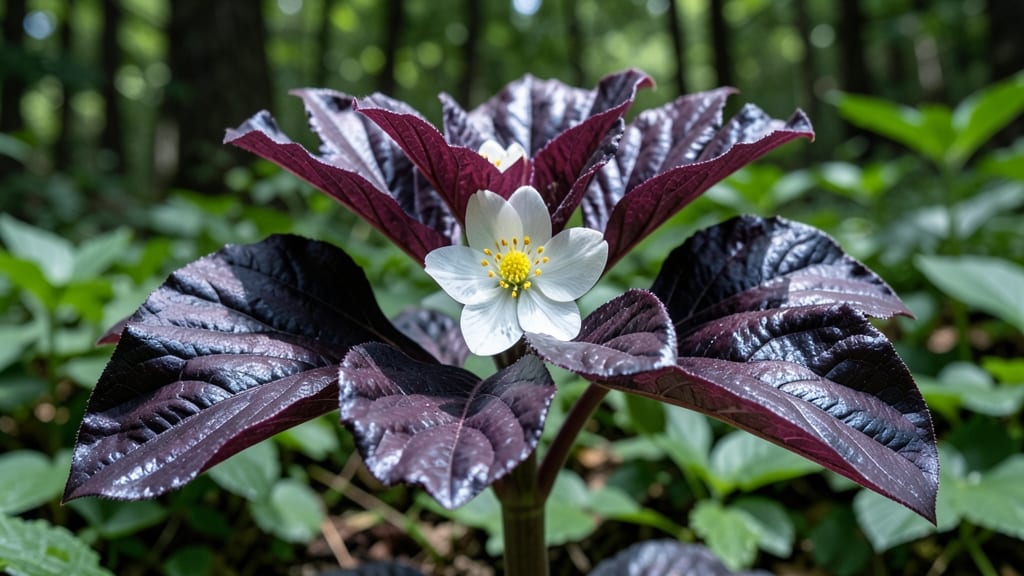
Want to inject drama into your shady garden corners without the fuss of high-maintenance plants? Alum root (Heuchera americana) delivers with its bold purple-tinged leaves and striking white blooms topped with yellow centers—creating a visual punch that outshines most shade plants. Unlike ferns or hostas, it offers both foliage and flowers in a single package, making it a standout performer in dry, dim spots where other plants falter.
This native woodland plant thrives in dry shade once established, making it perfect for understory planting or as a focal point in shady borders. Its clumping habit prevents it from spreading aggressively, while its late spring flowers attract pollinators like bees and butterflies, turning your garden into a mini ecosystem. For best results, plant in well-draining soil and water occasionally after the first year—it’s far more forgiving than most shade plants.
Gardeners who love bold textures and low-maintenance plants will adore alum root’s ability to anchor shady beds with minimal effort. Pair it with ferns or hostas for a layered look that stays vibrant year-round. 🌟
Cast Iron Plant for Nearly Indestructible Leaves

Forget the finicky shade plants that wilt at the slightest neglect—Cast Iron Plant (Aspidistra elatior) is the ultimate survivor, thriving where others fail. This nearly indestructible perennial handles poor soil, dry shade, and even urban pollution**, making it perfect for high-traffic shady spots like patios, sidewalks, or under dense trees.
Once established, it needs water only when the soil feels bone-dry, and its broad, glossy leaves stay vibrant year-round. The plant’s deep roots also help stabilize soil, reducing erosion in sloped or problem areas. Place it in containers for balconies or directly in the ground—it won’t complain about neglect, just occasional trimming to keep its leaves tidy.
Busy gardeners, urban dwellers, and anyone tired of plant casualties will love how Cast Iron Plant turns shady dead zones into lush, low-maintenance greenery with zero fuss. It’s the plant that says, “I’ve got this.” 💪