
Shrubs
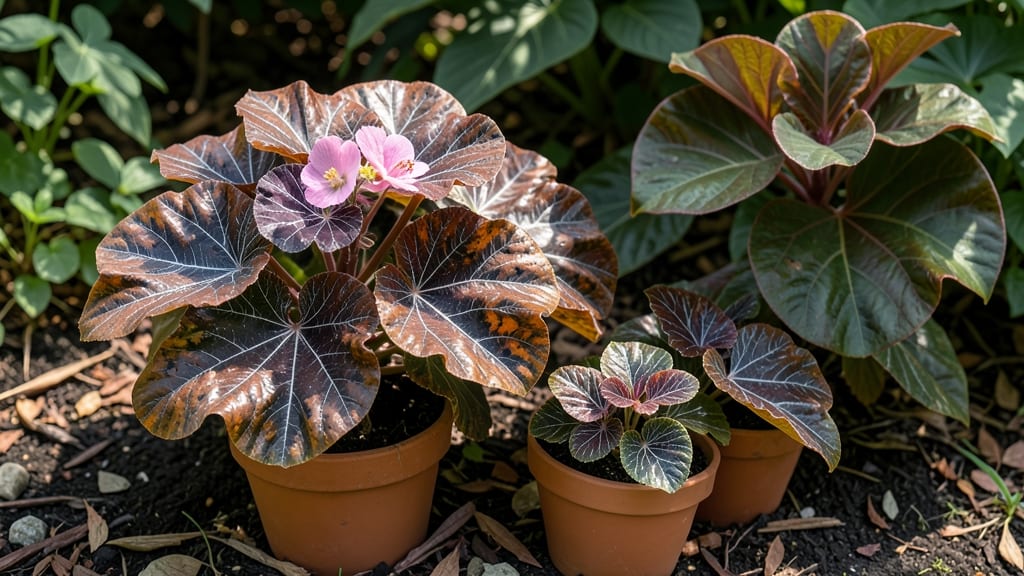
Whether planted in dragon begonias sun or shade, these striking plants flourish with bright, indirect light—the secret to their showstopping blooms and glossy leaves.
Picture this: your dragon begonia basking in morning sun but shielded from harsh afternoon rays. Too much direct sunlight? Those gorgeous leaves can crisp like toast.
Too little light? The colors fade, and blooms turn sparse. The balance is everything, and I’ll show you exactly how to nail it for year-round vibrancy.
Whether you’re planting in Zone 6a or a container on your patio, understanding light exposure is the secret to lush growth. We’ll cover how to spot signs of stress, adjust care based on sun or shade, and even pick the best varieties for your garden’s conditions.
Ready to keep your dragon begonia thriving? By the end, you’ll know exactly where to place it — whether it’s a dappled shade spot or a bright corner — to enjoy nonstop blooms from spring to fall.
 Best Window Placement
Dragon begonias sun requirements: ideal light conditions for maximum blooms
Dragon begonias thrive in bright, indirect light, making them perfect for east-facing windows or dappled shade in gardens. Their delicate foliage burns easily in direct afternoon sun, while too little light leads to sparse blooms and leggy growth. Understanding their sun exposure needs is key to keeping them vibrant all season.
These begonias prefer 4-6 hours of morning sun paired with afternoon shade, especially in hot climates. In cooler regions, they can tolerate more direct light—up to 6 hours daily—as long as it’s filtered through sheer curtains or tree canopies.
The goal? Mimic their natural understory habitat where sunlight is gentle but abundant.
| Condition | Ideal Specification | Adjustments for Climate |
|---|---|---|
| Morning Sun | 4-6 hours (direct) | Increase to 6 hours in cooler zones (USDA 5-6) |
| Afternoon Sun | 0-2 hours (filtered) | Avoid direct sun in zones 7-10; use shade cloth |
| Total Daily Light | 6-8 hours (indirect) | Reduce to 4-6 hours in intense summer heat |
| Shade Protection | 30-50% shade cloth | Use 50% cloth in desert climates; 30% in humid areas |
| Seasonal Adjustments | Increase light in winter | Move indoors near south-facing windows in frost-prone zones |
For container-grown dragon begonias, rotate pots weekly to ensure even light exposure. This prevents one-sided growth and keeps foliage symmetrical. In gardens, plant them under tall trees like maples or oaks, where dappled light creates their ideal partial shade environment.
Avoid placing them near south- or west-facing walls, which reflect intense heat.
Seasonal shifts matter too. In summer’s peak heat (June-August), reduce direct light to 2-4 hours daily by moving plants to east-facing patios or under lattice shades.
Conversely, in winter’s shorter days, supplement with a grow light for 4-6 hours to maintain blooming. This adjustment mimics their natural tropical rhythms.
Watch for leaf burn signs: crispy edges or bleached patches mean too much sun. Conversely, pale leaves and sparse flowers signal insufficient light. Adjust their position gradually—never move them abruptly, as sudden light changes cause stress. A slow transition over 1-2 weeks helps them acclimate.
In urban settings, balconies and decks offer great spots for dragon begonias. Choose locations with morning sun and afternoon shade, like near railings that cast shadows after 12 PM. If your space gets only artificial light, opt for LED grow bulbs (5000-6500K) to replicate natural spectra.
Keep them 12-18 inches away from light sources to avoid overheating.
For year-round blooming, prioritize consistent light exposure. Dragon begonias reward patience with continuous flowers from spring to frost, but they need stable conditions. Avoid placing them in areas where light fluctuates daily, like near windows with open/close curtains.
Instead, commit to a fixed spot where they receive their ideal 4-6 hours of bright indirect light.
Pro tip: Use a light meter (or phone app) to measure foot-candles. Dragon begonias thrive at 500-1,000 foot-candles. If readings drop below 500, supplement with a clip-on grow light for 2-3 hours daily. This ensures they get enough energy to produce vibrant blooms and glossy leaves.
Remember, dragon begonias are not low-light plants—they need bright conditions to prevent etiolation (stretched, weak growth). The key is balancing intensity: enough light for energy, but protection from harsh rays.
With the right setup, your dragon begonias will reward you with bold foliage and nonstop blooms all season long. 🌸
Shade solutions for dragon begonias: how to protect from harsh sunlight
Dragon begonias thrive in bright, indirect light, but their delicate foliage can suffer from direct afternoon sun, especially in hot climates. Too much sun causes leaf scorch and faded blooms, while too little shade leads to leggy growth and sparse flowers.
The key is creating a customized shade solution that protects your plants while maintaining their vibrant colors.
Outdoor gardeners often rely on natural shade sources like trees, trellises, or lattice screens to filter sunlight. For container growers, east-facing windows with sheer curtains work well, while indoor gardeners may need grow lights with adjustable intensity.
Let’s explore practical ways to shield your dragon begonias from harsh sunlight while keeping them lush and blooming.
⚠️ Watch for These Sun Stress Signs
Your dragon begonia is crying for shade if you spot:
- Crispy leaf edges (sunburn)
- Bleached or yellowing foliage
- Wilting despite moist soil
- Stunted growth or no new blooms
Act fast: Move plants to partial shade (4-6 hours of filtered light) and increase watering frequency to every 2-3 days during heatwaves.
For outdoor shade solutions, consider planting dragon begonias under dappled shade trees like Japanese maples or near fences with climbing roses. A 50% shade cloth stretched overhead also works—just ensure it blocks midday sun (11 AM–3 PM). In containers, rotate pots quarter-turns weekly to prevent uneven sun exposure.
Indoor growers should avoid placing dragon begonias in south-facing windows without protection. Instead, position them 2–3 feet back from east or west windows and use white sheer curtains to diffuse light.
For artificial lighting, use LED grow lights on a timer (12–14 hours/day) and keep them 12–18 inches above the plants.
Adjust your watering and fertilizing routines when shading changes. Shaded plants need more frequent watering (every 2–3 days) because their soil dries faster, while fertilizing should switch to a lower-nitrogen formula (like 5-10-10) to prevent leafy growth at the expense of blooms.
Pro tip: Mulch heavily with orchid bark or coconut coir to retain moisture and regulate soil temperature. This mimics their natural humid, shaded forest floor habitat and reduces stress from temperature swings.
With the right shade strategy, your dragon begonias will reward you with bold foliage and nonstop blooms—even in the brightest spots. Experiment with different setups to find what works best for your climate and space! 🌿🌸