
Orchid Care
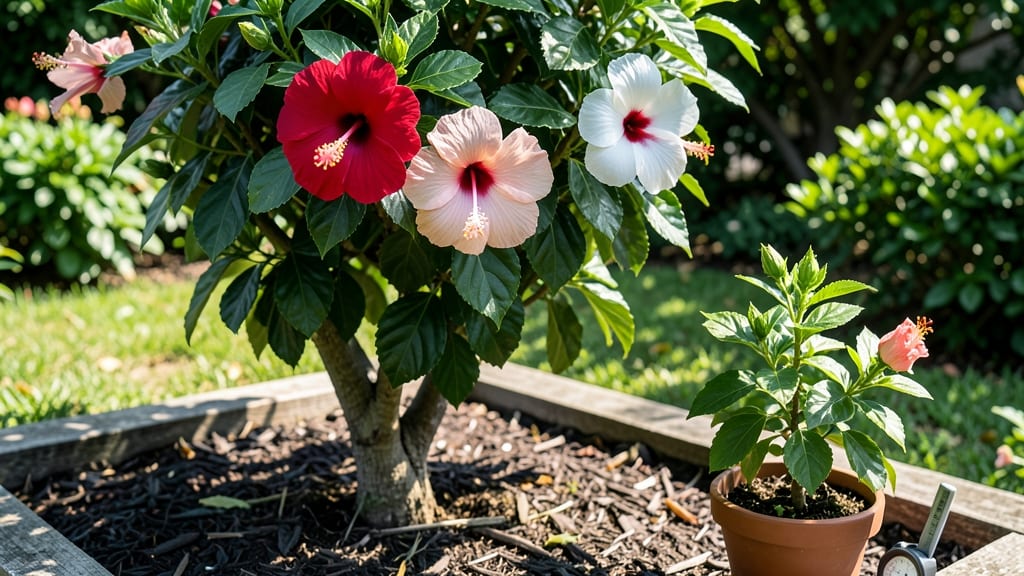
Wondering do hibiscus need sun or shade? They flourish in full sun but can tolerate some shade—though balance is key for vibrant blooms and healthy growth.
Struggling to keep your hibiscus blooming? The battle between sun and shade might be the hidden factor stalling your plant’s growth—getting the light balance just right transforms floppy leaves into vibrant, showstopping flowers.
Most hibiscus varieties, especially tropical ones, crave at least 6 hours of direct sunlight daily to produce their iconic blooms. But too much scorching afternoon sun can stress the plant, while too little shade slows growth and reduces flowers.
In this guide, I’ll break down how much sun your hibiscus needs, how to spot signs of light stress, and how to adjust care by season—so you can keep your 🌸 thriving year-round.
 Best Window Placement
Hibiscus sun requirements: how much light for optimal growth
If you’ve ever watched your hibiscus struggle with leggy stems or fewer blooms, chances are its sunlight balance is off. Most hibiscus varieties thrive with 6+ hours of direct sun daily, but tropical types may need afternoon shade in scorching climates.
The key is understanding your plant’s needs and adjusting for your local climate and seasonal shifts.
Hibiscus plants are sun-worshippers, but not all varieties handle heat the same way. Hardy hibiscus (like Hibiscus moscheutos) can tolerate full sun exposure year-round in cooler regions, while tropical hibiscus (such as Hibiscus rosa-sinensis) may need partial shade during peak afternoon heat to prevent leaf scorch.
Let’s break down the ideal light conditions for each type and how to spot when your plant is getting too much—or too little—sun.
⚠️ NON-NEGOTIABLE: The table below summarizes hibiscus sunlight needs by type, helping you quickly identify the best placement for your garden or container setup.
For hardy hibiscus, aim for full sun exposure—think south-facing gardens or west-facing borders. These varieties love basking in sunlight and reward you with bold, long-lasting blooms. In USDA zones 5-7, they can even handle winter dormancy with minimal sunlight, though their growth slows dramatically.
If your hibiscus is skipping blooms or growing tall and spindly, it’s likely starved for light.
Tropical hibiscus, on the other hand, are more sensitive to intense afternoon sun. In hot climates (zones 8-11), provide morning sun and afternoon shade to prevent leaf burn. A simple trick?
Place them near a lattice or sheer curtain to filter harsh rays while still getting plenty of bright, indirect light. If your tropical hibiscus starts showing crispy brown edges or dropping leaves, it’s a clear sign it’s getting too much direct sun.
Regional adjustments are key. In cooler northern climates, hibiscus can handle full sun all day, but in arid southwestern states, even hardy varieties may need afternoon shade during summer.
Pay attention to your local microclimate: A hibiscus in a wind-swept area might need extra shelter, while one in a humid, shaded corner could develop fungal issues from poor airflow. Always monitor your plant’s foliage color and growth pattern—these are your best clues.
Spotting sunlight deficiencies early can save your hibiscus from decline. Watch for yellowing leaves (a classic sign of chlorosis from insufficient light), sparse or small blooms, and leggy, weak stems.
If your hibiscus is reaching toward the light or growing tall and skinny, it’s begging for more direct sunlight. Conversely, if leaves are curling or scorched, it’s getting too much. The goal is a balanced, lush plant with vibrant flowers and healthy green leaves.
Pro tip: If you’re unsure about your hibiscus’s light needs, start with 6 hours of morning sun and adjust based on its response. Move containers gradually to avoid shocking the plant, and always water deeply after adjusting placement to help it recover.
With the right light balance, your hibiscus will reward you with season-long blooms and lush foliage that turns heads in any garden.
🌸
Signs your hibiscus needs shade: recognizing over-sunlight stress
Your hibiscus might be begging for shade if its leaves are showing crispy edges or yellow-brown patches. These are classic signs of sunburn stress, especially when combined with drooping foliage during hot afternoons. Even tropical hibiscus varieties can struggle when exposed to intense afternoon sun without proper acclimation.
Watch for leaf drop or wilting that happens consistently after 12 PM. This is your hibiscus’s way of signaling it’s overheating. High humidity can make this worse, as trapped heat and moisture create a stressful microclimate around the leaves.
⚠️ WARNING: Over-Sunlight Stress in Hibiscus ⚠️
- Crispy leaf edges from direct afternoon sun (1 PM–5 PM)
- Sudden wilting even with consistent watering
- Leaf scorch (brown, papery patches on leaf surfaces)
- Premature leaf drop during peak summer heat
If your hibiscus is planted in containers, check the soil temperature—it can reach 120°F+ in direct sun, cooking the roots. Container hibiscus need extra shade during heatwaves, as they have limited root insulation compared to in-ground plants.
For gradual shade acclimation, start by providing morning sun only (6 AM–12 PM) for a week, then extend to partial afternoon shade. Use mulch around the base to keep roots cool—2–3 inches of organic mulch can reduce soil temps by 10°F+.
Install shade screens (30–50% blockage) if your hibiscus is in a fixed location. Position them to filter west-facing sun, which is the harshest. Pair this with daily misting in the morning to help leaves recover from heat stress.
Remember, hibiscus thrive in bright, indirect light—think of it as sunlight through a sheer curtain. With the right balance, you’ll see healthier leaves and more frequent blooms within weeks. 🌸