
Plants
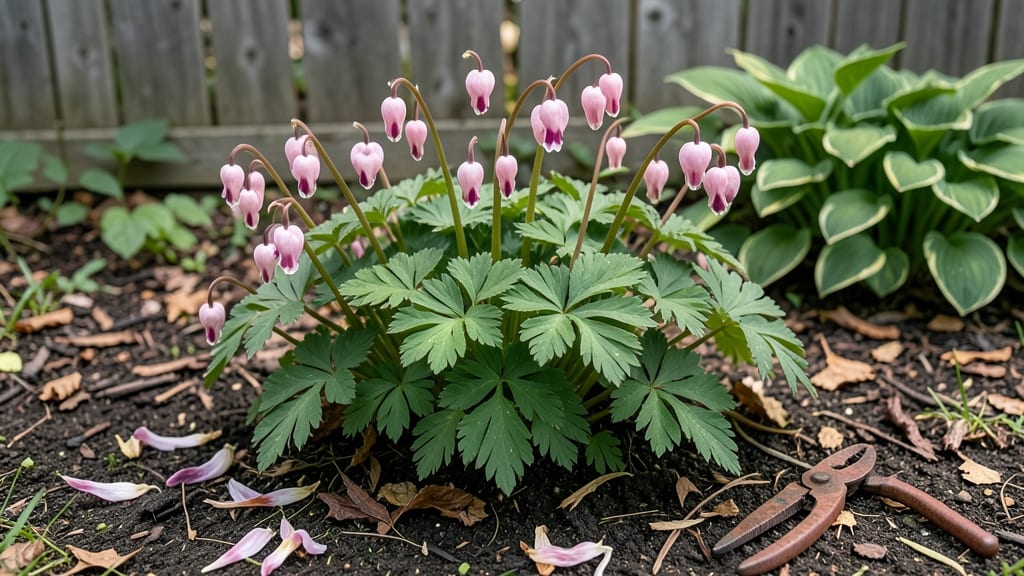
Bleeding hearts love shade—but not the kind that leaves them struggling for blooms or stretching toward the light like a plant on a diet.
If you’ve ever wondered why your 💔 Dicentra spectabilis seems weak or sparse, light exposure might be the culprit—this delicate beauty thrives in conditions many gardeners overlook. Too much sun scorches its leaves, while too little shade can leave it leggy and bare.
Here’s the secret: partial shade—think dappled light or morning sun with afternoon shade—is where bleeding hearts shine brightest. We’ll break down exactly how much light they need, how to spot the signs of over- or underlighting, and how to pair them with shade-loving companions for a showstopping garden bed.
Ready to transform your bleeding heart from surviving to thriving? Let’s dive into the light balance that unlocks those iconic heart-shaped blooms.
 Best Window Placement
How much shade do bleeding hearts need for optimal growth?
Bleeding hearts (Dicentra spectabilis) are shade-loving plants that thrive in filtered light, but their exact needs depend on your USDA zone and local climate. Unlike sun-hungry perennials, these beauties reject harsh afternoon rays—their delicate foliage burns easily under direct sun.
The key is partial shade, where they get bright, indirect light for most of the day.
In cooler climates (USDA zones 3–5), bleeding hearts tolerate more morning sun (up to 4 hours) because temperatures stay mild. But in hotter zones (6–8), even 2 hours of morning light can be too intense—opt for dappled shade under trees or near north-facing walls.
This balance prevents leaf scorch while encouraging vibrant blooms.
🌿 summary table 🌿
Seasonal shifts matter too. In spring and fall, when sunlight is gentler, bleeding hearts handle up to 4 hours of morning sun beautifully.
But by summer, even 2 hours can be too much in southern zones—watch for leaf edges turning brown, a classic sign of heat stress. Adjust by moving pots to shadier spots or adding lightweight shade cloth (30–50% coverage).
For container gardening, place bleeding hearts near north-facing windows or under patio umbrellas to control light exposure. If indoors, rotate containers weekly to prevent leggy growth from uneven light.
Outdoor gardeners should avoid south- or west-facing beds—instead, pair them with taller perennials like foxgloves or lungwort to filter harsh rays naturally.
Regional tweaks are essential. In Pacific Northwest (zones 7–9), morning sun + afternoon shade works year-round. But in Southeast zones (8–10), even morning sun may be too intense—opt for deep shade under deciduous trees like Japanese maples.
Always monitor leaf color: deep green means perfect light; pale or yellowing means adjustments needed.
Myth-busting: Bleeding hearts don’t need full shade—that’s a common mistake. While they tolerate full shade, they’ll produce fewer blooms and may flop over from weak stems.
The sweet spot is partial shade with dappled light, mimicking their native woodland habitats. Think of it as sun through tree leaves on a breezy day.
Pro tip: Use a light meter app (like Grow Lights Pro) to measure foot-candles in your garden. Ideal levels for bleeding hearts are 1,000–2,000 foot-candles—any higher risks burn, while below 1,000 leads to leggy growth.
For indoor growers, a 12-hour LED grow light (cool white spectrum) can supplement natural light during short winter days.
With the right light balance, your bleeding heart will reward you with lush, arching foliage and clusters of heart-shaped blooms from late spring to early summer.
Start by testing one spot, observe leaf health weekly, and adjust gradually. Patience pays off—these shade-loving stars will become the showstopper of your garden! 💔
Signs your bleeding heart isn’t getting the right light (and how to fix it)
If your bleeding heart (Dicentra spectabilis) is looking leggy or sparse, light exposure is likely the culprit. These plants thrive in partial shade, but too much or too little light can stunt growth.
The key is finding that sweet spot—2–4 hours of morning sun with afternoon shade. Without it, you’ll see stunted blooms and weak stems.
First, check your plant’s current location. If it’s under dense tree canopy with no dappled light, it’s likely etiolated—stretching toward any available light while producing few flowers.
Conversely, if it’s scorched or wilting by midday, it’s getting too much direct sun. Both extremes stress the plant, leading to poor health.
⚠️ callout warning ⚠️
⚠️ Light Stress Symptoms & Fixes
Brown, crispy edges → Afternoon sunburn → Use sheer curtains or plant near taller foliage for shade.
Leggy, stretched stems → Inconsistent light → Rotate plant weekly and avoid drafty spots.
To fix leggy growth, start by gradually adjusting your plant’s light exposure. If it’s been in deep shade, move it to a brighter spot incrementally—over 1–2 weeks—to avoid transplant shock.
For container-grown bleeding hearts, place them near a north-facing window or under a sheer curtain to filter harsh rays.
For root-bound issues, combine light fixes with soil checks. Bleeding hearts prefer moist, well-draining soil. If roots are circling, repot in spring using peat-based potting mix and add a layer of compost to improve drainage. This helps stabilize the plant while you adjust its light conditions.
Don’t overlook seasonal adjustments. In summer’s intense heat, bleeding hearts may need extra afternoon shade, while spring’s milder light can be perfect. Use reflective surfaces like white walls or mirrors to bounce light gently onto the plant without direct exposure.
With the right light balance, your bleeding heart will reward you with lush foliage and abundant heart-shaped blooms year after year. Start small—test one spot at a time—and watch your plant thrive! 💔