
Plants
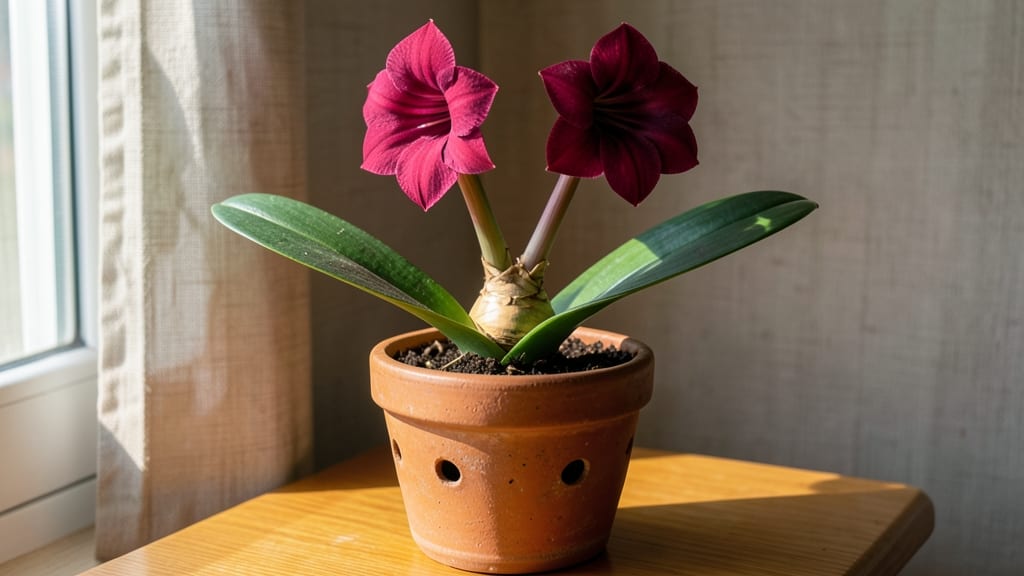
Do amaryllis like sun or shade—the secret weapon for those showstopping blooms you’ve been dreaming of is actually bright, indirect light 🌸.
Struggling to get your amaryllis to bloom? The battle between sun and shade might be the missing puzzle piece—getting the light right can transform a lackluster plant into a stunning showstopper.
Too much direct sun scorches the leaves, while too little shade stunts the flower stalks. In USDA Zone 6, where fall planting is key, finding the perfect balance means placing your bulbs near an east-facing window or just a few feet from a south-facing one.
Below, I’ll break down exactly how many hours of light your amaryllis needs, how to spot the signs of over- or under-exposure, and the simple tweaks that bring out the boldest blooms.
 Best Window Placement
Amaryllis sun requirements: how much light for peak blooming?
Amaryllis plants thrive with the right balance of sunlight, but many gardeners struggle to get their amaryllis bulbs to bloom because they don’t provide enough bright indirect light.
While these stunning plants love light, they can’t handle harsh afternoon sun, which often leads to leaf burn or dropped buds. The key is 6-8 hours of bright, filtered light daily—think east-facing windows or dappled sunlight outdoors.
If you’re growing amaryllis indoors, position them near a window with morning sun exposure and avoid placing them in direct afternoon rays. Outdoors, they do best in partial shade gardens where they receive gentle sunlight throughout the day.
Understanding these light thresholds can make the difference between a lush, blooming amaryllis and a struggling one.
Here’s a quick breakdown of their light needs to help you optimize placement:
During spring and summer, amaryllis plants can handle up to 6 hours of morning sun if placed outdoors, but always shield them from the intense midday heat.
I’ve found that using a sheer curtain on south-facing windows can filter sunlight just enough to prevent damage while still encouraging blooming. This is especially critical in USDA Zone 8 and above, where afternoon sun is most intense.
Watch for leaf color changes as a sign of light stress. If your amaryllis leaves turn yellow or brown, it’s likely getting too much direct sun. Conversely, pale green leaves indicate insufficient light.
Adjust their placement gradually—move them closer to a window over a few days rather than all at once to avoid shocking the plant.
In winter months, amaryllis may need even more light to compensate for shorter days. If your plant isn’t blooming, consider supplementing with a grow light for 12-14 hours daily.
I’ve seen dramatic improvements in blooming when adding a simple LED grow bulb near the plant. Just keep it 12-18 inches away to avoid overheating the leaves.
Another common mistake is assuming that shade equals safety. While amaryllis can tolerate partial shade, too little light will result in weak stems and no flowers. Aim for a balance—think of it like Goldilocks: not too hot, not too cold, but just right.
If your amaryllis is indoors, rotate the pot quarter-turns weekly to ensure even light exposure on all sides.
For outdoor gardeners, east-facing beds are ideal because they receive gentle morning sun without the harsh afternoon heat. If you’re planting in containers, choose a spot that gets filtered sunlight, like under a tree with an open canopy.
This mimics their natural habitat in South American forests, where they thrive under dappled light.
Remember, amaryllis bulbs store energy for blooming, so consistent light exposure is crucial. If you notice buds forming but dropping, it’s often a sign of light stress. Try moving your plant to a brighter spot immediately—sometimes even a few feet closer to the window can make all the difference.
With the right light balance, your amaryllis will reward you with vibrant, long-lasting blooms that brighten up any space. 🌸
Shade tolerance in amaryllis: when and how to protect from harsh sun
Amaryllis thrive in bright, indirect light, but they can struggle when exposed to harsh afternoon sun or deep shade. The key is finding that sweet spot—like an east-facing window where morning sun warms the leaves without scorching them.
Too much direct sun causes leaf burn, while too little shade weakens stems and reduces blooms.
In my experience, filtered sunlight through sheer curtains or a light-colored sheer fabric works wonders for indoor amaryllis. Outdoors, dappled shade under trees or a 50% shade cloth mimics their natural habitat in South America's wooded areas.
Heatwaves? Move potted amaryllis to a cooler spot with bright indirect light to prevent stress.
Here’s the breakdown of sun vs. shade effects to help you decide:
Sun vs. Shade for Amaryllis
✅ Sun Exposure
- Pros: Stronger stems, vibrant blooms
- Best for: Morning sun (3-4 hours)
- Risk: Leaf burn, wilting
⚠️ Shade Exposure
- Pros: Prevents scorching, ideal for hot climates
- Best for: Afternoon shade, filtered light
- Risk: Leggy growth, fewer blooms
A common mistake is assuming more sun equals better blooms. Over time, I’ve seen amaryllis in south-facing windows develop crispy leaf edges, while those in east-facing spots produce lush foliage and showstopping flowers.
If your amaryllis isn’t blooming, check its light source—it might be getting too little or too much.
For heatwave adjustments, rotate your pot every few days to ensure even light exposure. If outdoors, water deeply in the morning to reduce stress from heat.
Mulch around the base to keep roots cool. Remember, amaryllis are flexible but not extreme—they’ll adapt, but their blooms will thank you for the right balance.
Pro tip: If your amaryllis is in deep shade, supplement with a grow light for 4-6 hours daily. This mimics natural light cycles and encourages blooming. Just avoid placing the light too close—12-18 inches away is ideal to prevent leaf damage.
Watch for these signs: Yellowing leaves often mean too much sun, while stretched, weak stems signal insufficient light. Adjust gradually—amaryllis respond best to slow transitions in light conditions. With the right balance, your amaryllis will reward you with bold, healthy blooms all winter long. 🌸