
Light Requirements
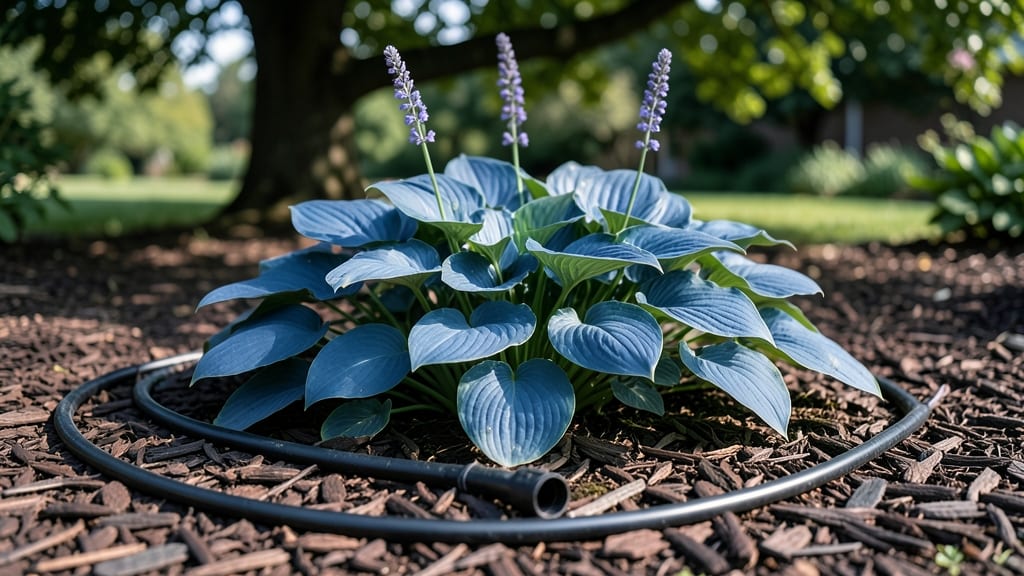
This lighting condition creates a balanced environment where plants get enough energy without overheating. 🌿 The key difference from full shade (less than 3 hours of direct light) is that partial shade still allows plants to photosynthesize effectively during cooler morning or late-afternoon hours.
Many gardeners use partial shade areas to grow delicate flowers like impatiens or hostas, which would scorch in full sun but struggle in deep shade. Understanding your specific light patterns—whether from tree canopies, building shadows, or seasonal sun shifts—helps you match plants to their ideal conditions.
For example, a spot under a deciduous tree might get 4 hours of morning sun in summer but only 2 in winter when leaves are gone. 💫 This variability is why partial shade gardens often succeed with adaptable plants like ferns, astilbes, or Japanese maples, which handle fluctuating light better than strict sun-lovers or deep-shade specialists.
💡 In This Article
- How Light Intensity Affects Partial Shade Conditions
- Best Plants for Partial Shade Gardens by Climate Zone
How light intensity affects partial shade conditions
The science behind partial shade lies in how sunlight filters through natural barriers like tree canopies, building walls, or even mountain ranges. Direct sunlight delivers 10,000 foot-candles of light intensity, while partial shade typically reduces this to 1,000-3,000 foot-candles—enough for photosynthesis but without the stress of full sun.
This filtration happens when sunlight passes through leaves, which scatter and absorb wavelengths, particularly the damaging ultraviolet (UV) rays that peak between 10 AM and 2 PM.
Seasonal variations dramatically alter these conditions. In temperate zones, deciduous trees provide 4-6 hours of morning sun in summer but only 2-3 hours in winter when bare branches allow more light penetration.
Evergreen trees, like pines, create a more consistent partial shade by filtering light year-round, though their dense foliage can reduce intensity by up to 70% compared to open areas.
The angle of the sun also matters—low winter sun casts longer shadows, while summer's high arc creates shorter, sharper shadows that may turn partial shade spots into full sun zones by midday.
Not all plants respond equally to these light fluctuations. Some, like hostas, thrive in partial shade because their broad leaves can efficiently capture diffused light, while others, such as ferns, prefer the cooler, moister conditions created by filtered sunlight.
The key difference is in their photosynthetic pigments: shade-loving plants often have more chlorophyll in their leaves to maximize light absorption, while sun-lovers rely on protective pigments like carotenoids to handle high-intensity light. 🌿 This is why a plant like Japanese maple, with its delicate foliage, will scorch in full sun but flourish in partial shade where temperatures remain 10-15°F cooler than exposed areas.
Regional differences further complicate partial shade definitions. In humid climates, like the Pacific Northwest, partial shade might mean 3-4 hours of morning sun due to frequent cloud cover, while in arid regions like the Southwest, even 2 hours of afternoon sun can be too much without proper filtration.
Gardeners in these areas often use lattice screens or sheer fabric to mimic natural shade patterns, creating a 30-50% light reduction that mimics the dappled effect of tree canopies.
Understanding these nuances helps explain why some partial shade plants, like impatiens, wilt in hot afternoons but recover in cooler mornings. The light intensity isn't just about hours—it's about the quality of light.
Partial shade creates a balanced spectrum that reduces UV stress while maintaining enough energy for growth, making it the Goldilocks zone for many garden plants. This is why nurseries often label plants as "partial shade tolerant" rather than strict shade or sun lovers—they're adaptable to these fluctuating conditions.
For practical application, think of partial shade as a dynamic environment rather than a static one. A spot might qualify in spring but become full sun in summer, or vice versa.
Using a light meter ($20-$50 range) for a week in different seasons gives precise data to match plants to their ideal conditions. This level of detail is what separates a thriving partial shade garden from one struggling with inconsistent light exposure. ✨