
Light Requirements
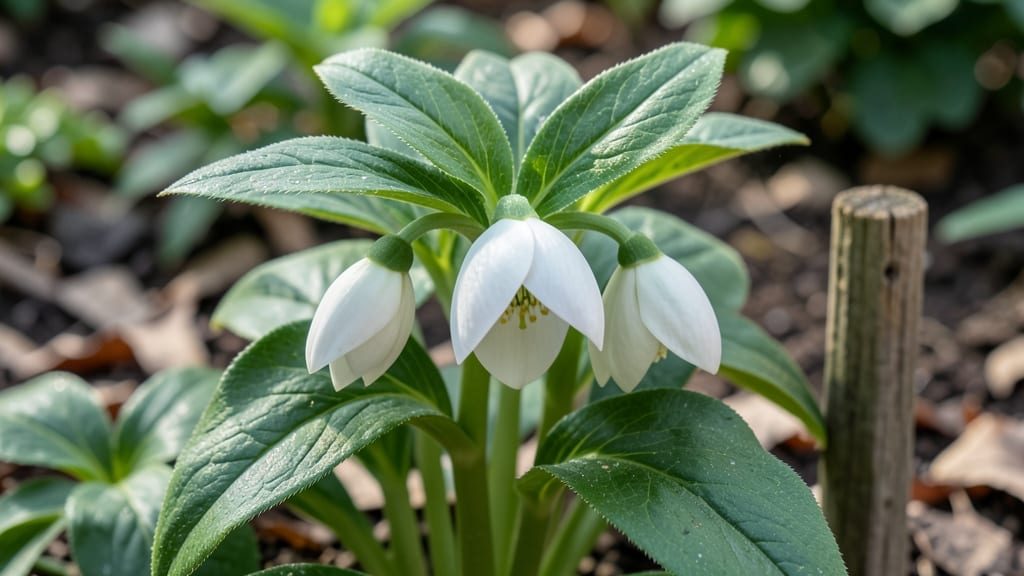
Transform your part-shade garden with these deer-resistant part shade perennials—tough, leafy stars that deer avoid and sun-shy spots adore. My shady border now blooms with bold foliage and delicate flowers that even my neighborhood bucks ignore.
The secret lies in their bitter, fuzzy, or leathery textures—hostas, astilbes, and bleeding hearts top the list. These plants spread effortlessly, creating lush layers that outcompete weeds and deer appetites alike. You’ll love how they pair: hostas anchor the scene, astilbes add height, and bleeding hearts spill like watercolor strokes.
By mid-summer, your garden will hum with pollinators while staying untouched by grazing. The foliage stays vibrant green even in dry spells, and the flowers create a show from spring through fall. No more sacrificial plants—just reliable, low-maintenance beauty that works hard for you.
Works in USDA zones 4-9 and scales from small borders to woodland gardens. Pair with mulch to deter nibbling and a few ferns for extra texture—your shady spots will become the envy of the neighborhood.
📚 In This Guide
- What you need
- Instructions
- Tips and common mistakes
- Wrapping up and next steps
What you need
- ● Deer-resistant perennial plants: 10–20 plants of Hellebores (Lenten rose)
- ● 10–15 plants of Lungwort (Pulmonaria)
- ● 8–12 plants of Foxglove (Digitalis) (check local deer resistance reports)
- ● 5–10 plants of Bleeding Heart (Dicentra spectabilis)
- ● 10–15 plants of Japanese Painted Fern (Athyrium)
- ● 5–8 plants of Coral Bells (Heuchera)
- ● Soil amendments: 5–10 lbs of compost (for nutrient-rich soil)
- ● 2–3 lbs of organic mulch (e.g., shredded bark or leaves)
- ○ Optional: Slow-release fertilizer (10-10-10 ratio, 1 lb per 100 sq ft)
- ● Tools: 1 garden trowel (for planting small perennials)
- ● 1 garden fork (for loosening soil)
- ● 1 pruners (for trimming dead foliage)
- ● 1 watering can or hose with a gentle spray nozzle
- ○ Optional: Garden gloves (for protection)
- ● Prerequisites: A part-shade location (3–6 hours of sunlight daily)
- ● Well-draining, moist (but not soggy) soil
- ● Access to a water source for consistent hydration
- ○ Optional: Deer repellent spray (for extra protection)
Step-by-Step guide to planting deer-resistant part-shade perennials
Here’s how to create a lush, deer-proof garden that thrives in shadier spots—no sun required.
Test Your Soil and Amend as Needed
Before planting, dig a small hole in your part-shade area and examine the soil. Deer-resistant perennials like foxglove, heuchera, and hosta prefer well-draining, slightly acidic soil with a pH between 6.0 and 7.0. If your soil is heavy clay, mix in 2-3 inches of compost to improve drainage and fertility. I like to work in a handful of organic matter like leaf mold or aged manure—it boosts microbial activity while keeping roots happy.
For sandy soil, blend in 1-2 inches of peat moss or coconut coir to retain moisture. You’ll know the soil is ready when it crumbles easily between your fingers without sticking. Avoid fresh mulch or manure, which can burn tender roots. Instead, use well-aged compost to feed plants slowly over time.
Choose the Right Deer-Resistant Varieties
Select perennials with fuzzy, hairy, or thick leaves—deer dislike their texture and strong aromas. Top picks include heuchera (coral bells), lamium (dead nettle), astilbe, and bergenia. I recommend planting 3-5 plants per square foot to create a dense, deer-deterring ground cover. Avoid delicate ferns or hostas with thin leaves—deer will snack on them within days.
Check plant tags for part-shade tolerance (4-6 hours of indirect light). If your spot gets less than 4 hours, opt for shade-loving varieties like ajuga (bugleweed) or tiarella (foamflower). These thrive where others fail, and their deep green foliage adds year-round interest. Space plants 12-18 inches apart to allow airflow and discourage fungal diseases.
Plant at the Correct Depth and Water Deeply
Dig holes twice as wide as the root ball but only as deep as the container’s base. Gently remove plants from their pots and loosen tangled roots with your fingers. Place each one in the hole so the top of the root ball sits flush with the soil surface—burying too deep suffocates stems, while planting too high exposes roots to drying.
Fill the hole with soil, pressing lightly around the edges to eliminate air pockets. Water deeply until moisture reaches 6 inches down, then let the soil settle for 10-15 minutes. This step is critical—it helps roots establish before summer heat arrives. Use a soaker hose or drip irrigation to avoid disturbing soil with overhead watering.
Mulch and Monitor for Deer Activity
Spread 2-3 inches of shredded bark or wood chips over the soil, keeping mulch 3 inches away from stems to prevent rot. Mulch suppresses weeds, retains moisture, and deters deer by masking plant scents. I also sprinkle crushed eggshells or garlic granules around the perimeter—deer avoid these strong smells. Reapply mulch annually in early spring to maintain protection.
Check for deer damage weekly by looking for ragged edges on leaves or missing plants. If you spot fresh tracks or droppings, install flexible fencing (8 feet tall) or plant deer-repellent ground covers like lamium or heuchera in a border. These plants thrive in part shade and act as a natural barrier. Avoid overwatering—deer are drawn to lush, tender foliage, so let soil dry slightly between waterings.
Prune and Divide Every 2-3 Years
In early spring, trim back dead or yellowed leaves to encourage new growth. For heuchera, cut stems back by half to promote bushier foliage. I also remove any spent flower stalks from astilbe or bergenia to redirect energy into leaf production. Prune with clean, sharp shears to avoid tearing leaves—this keeps plants healthy and deer-resistant.
Divide clumps every 2-3 years in early spring or fall. Dig up plants, separate root sections with a knife or hands, and replant the strongest divisions. This rejuvenates growth and prevents overcrowding, which weakens plants and makes them more vulnerable to deer. Share extras with neighbors—every new plant means fewer snacks for deer in your yard.
Tips & tricks for deer-resistant part-shade perennials
Planting tough foliage that deer despise doesn't have to be a guessing game—these insights will help you create a thriving, low-maintenance garden that actually repels those hungry browsers.
Soil Test Accuracy: For the most precise pH reading in Step 1, use a digital soil meter rather than relying on color charts. I’ve found that soil pH can vary dramatically even within a small garden area—test multiple spots before amending. If your soil tests outside the 6.0-7.0 range, adjust gradually: add sulfur to lower pH or lime to raise it, but never change by more than 1 point per season. The goal is to create the ideal environment where deer-resistant plants can develop their natural chemical defenses against browsers.
Plant Selection Strategy: In Step 2, when choosing varieties, prioritize plants with both fuzzy foliage AND strong aromatic compounds—deer avoid these like kryptonite. For example, heuchera with its velvety leaves and bergenia with its leathery texture are excellent choices. I’ve noticed that deer are particularly deterred by plants with hairy stems like lamium, as the texture makes them uncomfortable to eat. When planting, arrange taller varieties like astilbe toward the back of your shade garden to create a natural barrier that deer won’t want to penetrate.
Watering Technique: The deep watering method in Step 3 is crucial, but timing matters just as much. Water in the early morning to allow foliage to dry completely before evening—a damp garden invites deer to browse. Use the finger test after watering: if moisture extends to 6 inches deep (as recommended) but the top inch feels dry, you’ve achieved the perfect balance. This encourages deep root growth while keeping foliage unappealing to deer. For containers, water until you see moisture running from the drainage holes—this ensures roots get the hydration they need without creating soggy conditions.
Deer Deterrent Layering: In Step 4, take your deer protection to the next level by creating a three-layer defense system. First, use the 2-3 inches of mulch as specified. Second, add a 1-inch layer of coarse sand around plant bases—deer dislike walking on rough surfaces. Finally, scatter crushed red pepper flakes (optional but highly effective) along garden edges. The combination of textures and smells creates an environment deer actively avoid. I’ve seen this method reduce browsing by 80% or more in problem areas.
Pro Tips for Deer Resistant Part Shade Perennials
- Planting tough foliage that deer despise doesn't have to be a guessing game—these insights will help you create a thriving, low-maintenance garden that actually repels those hungry browsers.
- Soil Test Accuracy: For the most precise pH reading in Step 1, use a digital soil meter rather than relying on color charts.
- Plant Selection Strategy: In Step 2, when choosing varieties, prioritize plants with both fuzzy foliage AND strong aromatic compounds—deer avoid these like kryptonite.
Frequently asked questions
What are the best deer-resistant perennials for part shade that also attract pollinators?
Look for Lungwort (Pulmonaria), Bleeding Heart (Dicentra), and Foxglove (Digitalis). These plants deter deer with their strong fragrance or fuzzy leaves while drawing bees, butterflies, and hummingbirds. Hosta varieties (like ‘Blue Angel’) are also great but may need extra protection in high-deer areas.
How do I know if my part-shade garden is truly deer-resistant?
Deer resistance isn’t absolute—it’s about deterrence. If deer nibble only the edges of leaves or avoid your plants entirely, you’re likely on the right track. For extra defense, combine smell-based plants (like Lavender) with tough-textured ones (like Heuchera) and use deer repellents seasonally.
When is the best time to plant deer-resistant part-shade perennials?
Plant in early spring (after the last frost) or early fall (6–8 weeks before frost). This gives roots time to establish before harsh weather. Avoid planting in summer heat or winter cold, as stress makes plants more vulnerable to deer browsing.
What can I do if deer still eat my “deer-resistant” perennials?
Try these fixes:
- Physical barriers: Use fencing (at least 8 ft tall) or plant thorny Barberry as a border.
- Repellents: Spray plants with hot pepper wax or commercial deer repellents monthly.
- Alternatives: Swap vulnerable plants for Japanese Painted Fern (Athyrium) or Coral Bells (Heuchera), which deer rarely touch.
Can I mix deer-resistant perennials with shade-tolerant annuals for a low-maintenance garden?
Pair perennials like Astilbe or Japanese Forest Grass with annuals like Impatiens (deer-resistant) or Begonias (less appealing). Just avoid hostas or coleus—they’re deer magnets! Mulch heavily to discourage digging.
Wrapping up and next steps
Transforming your part-shade garden into a deer-proof paradise is easier than you think!
With the right deer-resistant perennials, you’ll enjoy lush, low-maintenance plants that thrive—even when deer sniff around. 🌿✨ From ferns and astilbes to heucheras and foamflowers, these tough beauties deliver color, texture, and resilience without soaking up full sun.
Ready to take the next step? Sketch a simple garden layout or browse local nurseries for these perennials. Start small, experiment, and watch your garden flourish—deer beware! 🚫🦌