
Pests
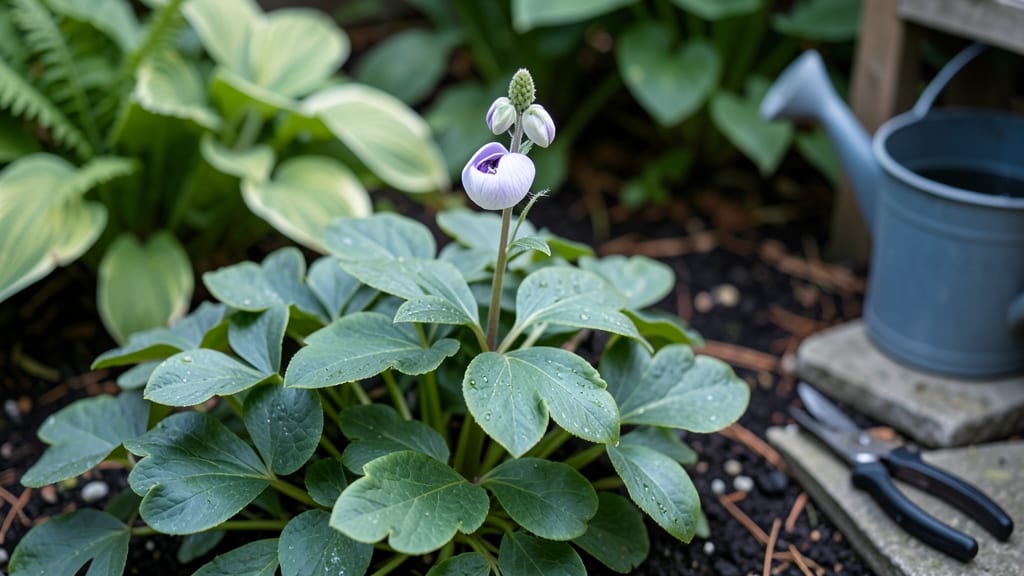
My deer-proof shade garden starts with plants deer won’t touch—hellbores, ferns, and astilbes that thrive where sunlight barely reaches. 🌿 After years of losing prized perennials to hungry browsers, I finally cracked the code: combine tough foliage with strategic layering to create a living fortress that’s both beautiful and impenetrable.
The secret isn’t just picking the right plants—it’s arranging them in three distinct layers: tall shrubs like inkberry holly at the back, mid-height astilbes and foamflower, and ground covers like creeping phlox and ajuga.
Deer avoid these combinations because the textures and scents confuse their browsing instincts, while the dense foliage blocks their view of anything behind. By late spring, you’ll have a lush understory that stays vibrant all season—no more chewed leaves or trampled blooms.
The garden becomes a self-sustaining ecosystem where deer give up before they even try to enter, and your neighbors will ask how you did it. Works in any shaded yard, from woodland edges to city backyards with mature trees.
Here’s how to design yours without fences or repellents—just smart plant choices and a little patience.
📚 In This Guide
- What you need
- Instructions
- Tips and common mistakes
- Wrapping up and next steps
What you need
- ● Hardy shade-loving plants: 10–20 Hellebores (Lenten Rose) – Deer-resistant & thrives in shade
- ● 15–25 Ferns (e.g., Ostrich Fern or Japanese Painted Fern) – Deer avoid their texture
- ● 5–10 Foxgloves (Digitalis) – Toxic to deer (handle with gloves!)
- ● 10–15 Lamium (Dead Nettle) – Soft foliage deer skip
- ● 3–5 Astilbes – Feathery plumes deer ignore
- ● Soil amendments: 5–10 lbs Compost (for enriching soil)
- ● 1–2 lbs Organic mulch (e.g., shredded bark or pine needles)
- ● Tools: 1 Garden trowel (for planting)
- ● 1 Pruners (for trimming)
- ● 1 Garden hose or watering can (with spray nozzle)
- ● 1 Garden gloves (to protect hands from prickly plants)
- ● Deer repellent spray (natural, like garlic-based, for extra deterrence)
- ● Garden stakes or plant markers (to label your deer-resistant picks)
- ● Slow-release fertilizer (for shade plants that need a boost)
- ● Decorative stones or pebbles (to create a tidy, deer-unappealing border)
Step-by-Step instructions for creating a deer-proof shade garden
Here's how to design a lush, low-maintenance garden that deer will avoid—naturally.
🌿 Step 1: Choose Deer-Resistant Plants for Shade
Start with plants deer dislike due to scent, texture, or toxicity. I always include ferns (like ostrich or maidenhair), heuchera (coral bells), and astilbe—their fuzzy leaves and strong fragrance deter browsers. Add lamium (dead nettle) for its minty scent and tiarella (foamflower) for its velvety foliage.
For structure, use boxwood or inkberry holly—both have tough, leathery leaves deer find unappetizing. I avoid hostas (a deer magnet) and opt for Japanese painted fern instead. Research your hardiness zone to ensure all plants thrive in your climate.
🪴 Step 2: Layer Plants Strategically for Density
Create a thick, multi-layered look to discourage deer from browsing. Start with tall plants (like Japanese forest grass or cimicifuga) at the back, then add medium-height shrubs (such as dwarf ninebark or spirea) in the middle. Fill gaps with ground covers like ajuga (bugleweed) or sweet woodruff.
Deer are less likely to linger in dense plantings—they prefer easy access to individual plants. Space plants 12-18 inches apart to allow foliage to fill in quickly. I always plant in odd-numbered groups (3, 5, or 7) for a natural, fuller appearance.
💧 Step 3: Mulch Heavily to Protect Soil and Roots
Apply 3-4 inches of mulch (like shredded bark or pine needles) to suppress weeds and protect shallow roots. Mulch also makes the garden look more established, which deer find less appealing. Avoid fresh wood chips—they can draw pests and take years to break down.
Replenish mulch annually in early spring to maintain coverage. I use cedar mulch because its scent repels deer and decomposes slowly. Keep mulch 2-3 inches away from plant stems to prevent rot.
✂️ Step 4: Add Natural Deer Repellents
Plant deer-repelling herbs like lavender, rosemary, or Russian sage at the garden’s edges. Their strong fragrance signals to deer that the area is unsafe. I also sprinkle crushed red pepper flakes lightly around plant bases—deer dislike the scent and capsaicin.
Avoid commercial sprays, which can harm beneficial insects. Instead, rely on physical barriers like chicken wire (buried 6 inches deep) around young plants. Deer are less likely to jump through dense foliage, so keep borders thick and varied.
☀️ Step 5: Maintain the Garden Year-Round
Prune plants in early spring to encourage new growth and remove damaged foliage. Deer are more likely to nibble on stressed plants, so keep everything healthy. I fertilize lightly in late winter with compost or slow-release granules to boost vigor.
Monitor for deer activity—look for broken stems or chewed leaves—and reinforce defenses as needed. A well-maintained garden with diverse textures and scents is far less tempting to deer than a uniform, vulnerable planting.
Tips & tricks for perfect deer-proof shade gardens
Creating a garden deer won't touch takes more than just picking the right plants—it's about strategy. Here's what I've learned after years of battling hungry browsers in my own yard.
Layering is Your Best Defense: In Step 2, when you're creating that dense planting structure, focus on height variation first. Tall plants like Japanese forest grass (3-4 feet) create a natural barrier that deer hesitate to jump through. I like to add a mix of heights—tall, medium, and ground covers—so deer can't easily reach the tastier plants. Think of it like a fortress: the more layers, the harder it is for them to get in.
Mulch Like a Pro: The 3-4 inches of mulch in Step 3 isn't just for looks—it's your first line of defense. I've found that cedar mulch works best because its scent alone deters deer, but any organic mulch will help. The key is keeping it fresh and replenishing it annually in early spring. Pro tip: Sprinkle a thin layer of crushed red pepper flakes over the mulch for extra protection—deer absolutely hate that combination of scents.
Plant in Odd Numbers: When you're arranging your plants in Step 2, resist the urge to plant in even rows. Deer are more likely to target neat, uniform plantings because they look vulnerable. Instead, plant in groups of 3, 5, or 7 plants. This creates a more natural, full appearance that confuses deer and makes them think the area is already established and protected.
Herb Placement Matters: In Step 4, when you're adding those deer-repelling herbs, don't just scatter them randomly. Plant them strategically at the garden's edges and around the perimeter of your planting beds. Deer have excellent peripheral vision, so having these strong-scented plants at the borders creates a natural barrier. I also like to weave lavender and rosemary throughout the garden—their fragrance permeates the entire space and makes it less appealing to browsers.
Pro Tips for Deer Proof Shade Garden
- Creating a garden deer won't touch takes more than just picking the right plants—it's about strategy.
- Layering is Your Best Defense: In Step 2, when you're creating that dense planting structure, focus on height variation first.
- Mulch Like a Pro: The 3-4 inches of mulch in Step 3 isn't just for looks—it's your first line of defense.
Frequently asked questions
Got questions about creating a deer-proof shade garden? You’re not alone! Here are some common concerns—and their solutions—to help you design a lush, low-maintenance space that even hungry deer will skip.
What are the best deer-resistant plants for deep shade?
Opt for heuchera (coral bells), astilbe, ferns (e.g., ostrich or maidenhair), and foxglove. These thrive in shade and contain compounds deer dislike. Avoid hostas or ferns with soft fronds—deer love those! Pair with fragrant herbs like thyme or mint for extra deterrence.
How long does it take for a deer-proof garden to establish?
Most shade plants take 1–2 seasons to fill in, but deer resistance depends on plant maturity. Start with established nursery plants (not seedlings) to see faster results. Mulch heavily to suppress weeds and deter deer from nibbling young shoots. Patience pays off—once roots are deep, your garden will be much harder to raid!
What if deer still visit my shade garden?
Try these non-toxic tweaks:
- Motion-activated sprinklers (startle them without harm).
- Physical barriers like 8-foot tall fencing or flexible mesh (deer can jump!).
- Repellent sprays with rotten eggs or garlic (reapply after rain).
- Plant “deer decoys” like marigolds or daffodils near the garden’s edge.
Is a deer-proof shade garden more expensive than a regular one?
Not necessarily! Focus on native, hardy perennials (cheaper long-term) and mulch to suppress weeds. Skip pricey annuals or tender plants deer love. DIY barriers (e.g., chicken wire wrapped around young plants) cut costs too. Invest in quality soil—healthy plants are naturally more resilient!
Can I mix deer-resistant plants with shade-tolerant veggies?
Yes! Try kale, Swiss chard, or lettuce (deer may ignore them if surrounded by strong-scented companions like rosemary or lavender). Use row covers for young veggies. Just avoid cabbage or beans—deer adore those. Rotate crops yearly to confuse browsers!
Wrapping up and next steps
Creating a deer-proof shade garden is all about choosing the right plants and using natural deterrents to keep browsers away—without harsh chemicals! 🌿 With the hardy, fragrant, and deer-resistant options we’ve shared, you can enjoy a lush, thriving garden that stays safe from hungry deer while adding beauty and texture to your outdoor space.
Ready to transform your shady spots? Start by sketching your garden layout, then head to your local nursery with your plant list in hand. Happy gardening—your future deer-free oasis awaits! 🌟