
Orchid Care
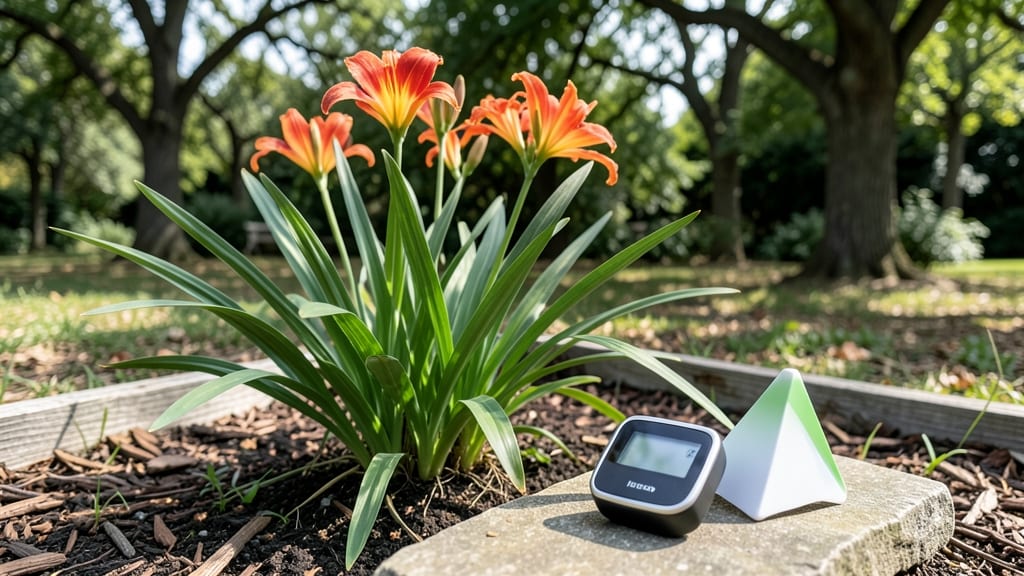
Day lilies thrive in either sun or shade 🌸, but their blooms and health depend on getting the right balance—too much or too little light can turn your garden star into a struggling underperformer.
Struggling to keep your day lilies blooming as beautifully as they should? The secret might be simpler than you think—light exposure plays a surprisingly critical role in their growth and vibrant flowers.
These hardy perennials can handle full sun or partial shade, but the results vary wildly. In full sun, expect bold colors and abundant blooms, while too much shade can leave you with sparse, pale flowers and leggy stems.
Below, I’ll break down the ideal light conditions for your zone, how to spot when your day lilies are getting it wrong, and the best varieties for shadier spots—so you can finally get those show-stopping blooms year after year.
 Best Window Placement
Optimal sunlight conditions for day lilies: how much light do they need?
Day lilies (Hemerocallis) are famously adaptable, but their light requirements directly impact bloom size, color vibrancy, and overall plant health. While they thrive in full sun, many varieties also perform well in partial shade, making them versatile for various garden spots.
Understanding these nuances helps you maximize their stunning 6-inch blooms and lush foliage.
The key to success lies in matching your day lily variety with its ideal light exposure. Full sun lovers like 'Happy Returns' produce larger blooms, while shade-tolerant types such as 'Stella de Oro' maintain healthier foliage in low-light areas.
Even 6-8 hours of sunlight can transform a struggling plant into a vibrant garden star.
| Variety Type | Sunlight Needs | Bloom Impact | Best For |
|---|---|---|---|
| Full Sun Varieties | 6+ hours direct sun | Larger blooms, brighter colors | Open garden beds, borders |
| Partial Shade Varieties | 3-6 hours filtered light | Smaller but longer blooms | Woodland gardens, urban patios |
| Dwarf Varieties | 4-6 hours morning sun | Compact growth, frequent blooms | Container gardens, rockeries |
| Shade-Tolerant Varieties | 2-4 hours dappled light | Healthy foliage, fewer blooms | Under trees, north-facing walls |
In full sun conditions (6+ hours of direct sunlight), day lilies develop their most vibrant colors and largest blooms. Varieties like 'Pardon Me' and 'Midnight' thrive here, producing bold reds and purples that stand out in summer borders.
However, in hot climates, afternoon shade helps prevent leaf scorch while maintaining bloom quality.
For partial shade (3-6 hours of sunlight), focus on morning sun exposure. This setup works perfectly for urban gardens or areas with tall trees. Shade-tolerant varieties like 'Happy Returns' and 'Stella de Oro' maintain their compact growth and produce continuous blooms throughout the season, even with limited sunlight.
If your day lilies receive less than 3 hours of sunlight, expect reduced blooming and potential leaf discoloration. In these cases, supplement with grow lights or relocate plants to a sunnier spot. Even 2-3 hours of morning sun can make a noticeable difference in plant vigor and flower production.
Regional considerations matter too. In cooler climates (USDA Zones 3-5), day lilies benefit from full sun to maximize their growing season. Meanwhile, in hot, dry areas (Zones 7-10), afternoon shade becomes crucial to prevent heat stress and wilting.
Pro tip: Gradually acclimate shade-loving varieties to full sun by exposing them to 1-2 extra hours of sunlight each week. This prevents sunburn on leaves while encouraging stronger stems and larger blooms. Monitor your plants closely during this transition period.
Soil quality also interacts with light exposure. In low-light conditions, ensure your soil is rich in organic matter to compensate for reduced photosynthesis. Amend with compost or well-rotted manure to support healthy root development and nutrient uptake.
Remember, day lilies are perennials that reward patience. With the right light balance and consistent care, they'll return year after year with showstopping blooms that brighten any garden space. Start experimenting with different light conditions this season—your day lilies will thank you with vibrant color and lush growth!
🌸
Signs your day lilies aren’t getting enough (or too much) light
Day lilies are famously adaptable, but even they can show clear signs of light stress when conditions aren’t quite right. If your plants are looking leggy, pale, or sparse with blooms, the culprit might be too much shade—or too much harsh sun.
Understanding these visual cues helps you adjust their environment before problems worsen.
One of the first red flags is leaf color changes. Yellowing leaves often signal too much shade, while crispy, bleached edges point to excessive sun exposure.
Both conditions weaken your day lilies’ ability to produce vibrant blooms, which is why catching these signs early makes all the difference.
⚠️ callout warning ⚠️
- Too little light: Stunted growth, sparse foliage, fewer blooms.
- Too much light: Brown leaf tips, sunburned patches, weak stems.
- Fix it fast: Move plants gradually (don’t shock them) or add shade cloth for acclimation.
If your day lilies are growing tall and spindly with minimal blooms, they’re likely reaching for light. This "etiolation" happens when plants stretch toward weak light sources, like dappled shade from nearby trees.
To fix this, prune nearby branches to increase light penetration or transplant them to a sunnier spot with at least 3-4 hours of morning sun.
On the flip side, sunburned leaves or brown patches on foliage mean your day lilies are getting too much direct sun, especially in hot climates.
For varieties like 'Stella de Oro,' which thrive in full sun, this might not be an issue—but for others, like 'Happy Returns,' gradual sun acclimation over 2-3 weeks prevents shock.
Another key indicator is bloom quality. Day lilies in perfect light produce large, vibrant flowers with rich colors. If blooms are small, pale, or short-lived, adjust their light exposure. For example, moving them to partial shade (3-6 hours of sun) can revive struggling plants while still encouraging blooms.
For shade-loving varieties, consider adding a light-colored shade cloth (30-50% coverage) to filter harsh afternoon rays. This mimics the dappled light of a woodland garden, where many day lilies naturally thrive. Always monitor your plants’ response and adjust gradually—slow changes prevent stress.
Finally, remember that regional climate matters. Day lilies in cooler zones (like Zone 5) may handle more sun than those in hot, dry areas (Zone 9). Pay attention to your local microclimate and adjust accordingly.
With the right light balance, your day lilies will reward you with lush foliage and stunning blooms all season long. 🌸