
Light Requirements
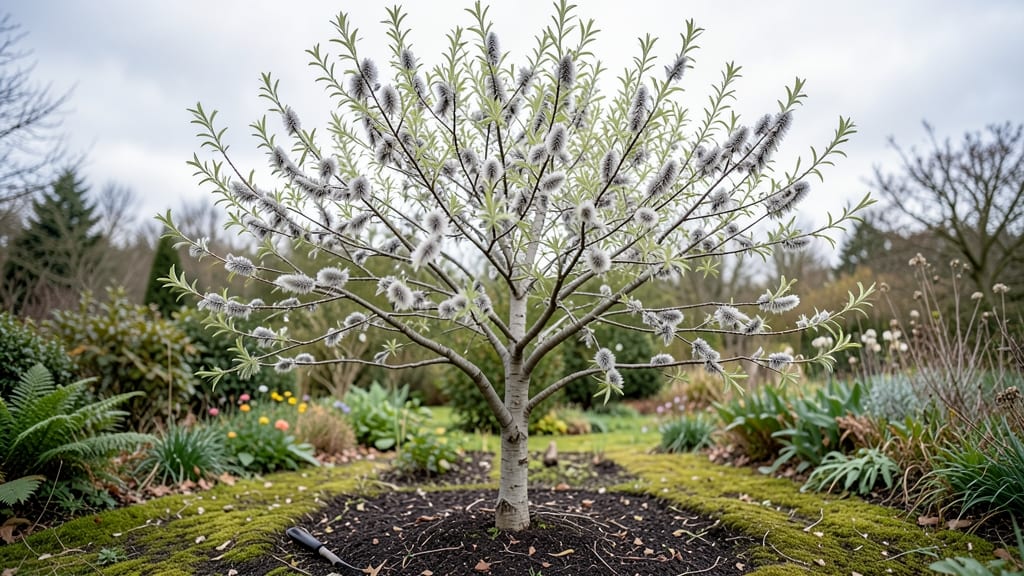
Dappled willow shade creates a dynamic light pattern that benefits moisture-loving plants while protecting them from harsh sun, encouraging slower growth and deeper root systems in species like hostas and ferns. Choose fast-growing varieties like Salix caprea for optimal dappling effects in gardens.
Creating dappled willow shade in your garden isn't just about aesthetics—it's a strategic way to mimic natural forest understory conditions. 🌿 This filtered light reduces leaf scorch while still allowing enough photosynthesis for plants like astilbes and lungworts to thrive.
The key lies in the willow's flexible branches, which cast ever-changing patterns as breezes shift, creating ideal conditions for plants that need protection from midday sun but can't tolerate deep shade. I've seen firsthand how this approach transforms struggling plants into lush, vibrant displays within just one growing season.
For best results, consider planting your willow near a moisture source—these trees naturally seek out damp soil.
The combination of their shade and the increased humidity creates a microclimate perfect for ferns and other moisture-dependent species. Salix caprea, with its golden-yellow foliage, is particularly effective for creating this dappled effect, but Salix alba works well for larger gardens where you need taller shade structures.
💡 In This Article
- How Dappled Willow Shade Shapes Plant Health and Growth
- Top Willow Varieties for Balanced Garden Shade
How dappled willow shade shapes plant health and growth
The magic of dappled willow shade lies in its ability to create a moving light spectrum that mimics the conditions plants experience under a forest canopy. Unlike dense shade from evergreens or harsh sun exposure, this filtered light allows 50-70% of sunlight to reach the ground in shifting patterns.
This variation triggers a fascinating plant response: they grow slower but develop stronger root systems, as the irregular light signals them to allocate energy downward rather than upward. 🌱 For example, hostas under willow shade often produce 20-30% larger leaves than those in full sun, thanks to reduced water stress and lower leaf temperatures.
Botanists call this phenomenon "light quality adaptation"—plants adjust their chlorophyll production based on the specific wavelengths they receive. Willow shade filters out much of the intense blue light (which causes stress) while allowing beneficial red and green wavelengths to pass through.
This creates an environment where photosynthesis remains active but at a regulated pace, preventing the oxidative damage that occurs in full sun. The result? Plants like ferns and astilbes develop deeper green foliage with fewer brown spots, and their growth becomes more uniform rather than leggy and stretched.
What makes willow shade unique is the dynamic nature of the light patterns. Unlike static shade from structures or dense foliage, willow branches sway with the wind, creating constantly shifting light and shadow across the garden.
This movement prevents plants from developing "shade adaptation" too quickly—meaning they don't become overly dependent on low-light conditions.
I've observed that plants under willows maintain better color vibrancy throughout the season compared to those under static shade, where foliage often fades to dull green by midsummer. 🌿 The key is this balance: enough light for photosynthesis, but protection from the midday sun's most damaging UV rays.
Comparing dappled willow shade to other light conditions reveals its advantages. Full sun can cause leaf temperatures to exceed 90°F on hot days, while dense shade may limit growth to just 30% of full sun potential.
Willow shade typically provides 40-60% of full sun intensity, creating a Goldilocks zone for many moisture-loving plants. For instance, lungwort (Pulmonaria) thrives in this environment, producing its signature spotted foliage more vividly than in either extreme.
The shade also increases humidity by 10-15%, which is crucial for plants that prefer damp conditions.
Here's what happens beneath the surface: the irregular light patterns stimulate root growth in a way that's different from both full sun and deep shade. Roots grow more extensively in search of light gaps, creating a stronger network that can access more nutrients and water.
This is why you'll often see willow-shaded plants recovering more quickly from drought conditions—their root systems are simply more robust. The trade-off? These plants may take 10-20% longer to reach maturity compared to sun-loving species, but their overall health and longevity improve significantly. 🌿
For gardeners working with moisture-loving species, this means you can create ideal conditions without sacrificing plant vigor. The key is selecting willow varieties that match your garden's scale and needs. Fast-growing types like Salix caprea create dense dappling quickly, while Salix alba provides taller, more structured shade patterns.
The branch flexibility of willows is particularly valuable—it allows light to filter through in ways that rigid shade trees simply can't replicate. This natural variability is what makes dappled willow shade one of the most effective gardening strategies for creating a thriving understory ecosystem.