
Plants
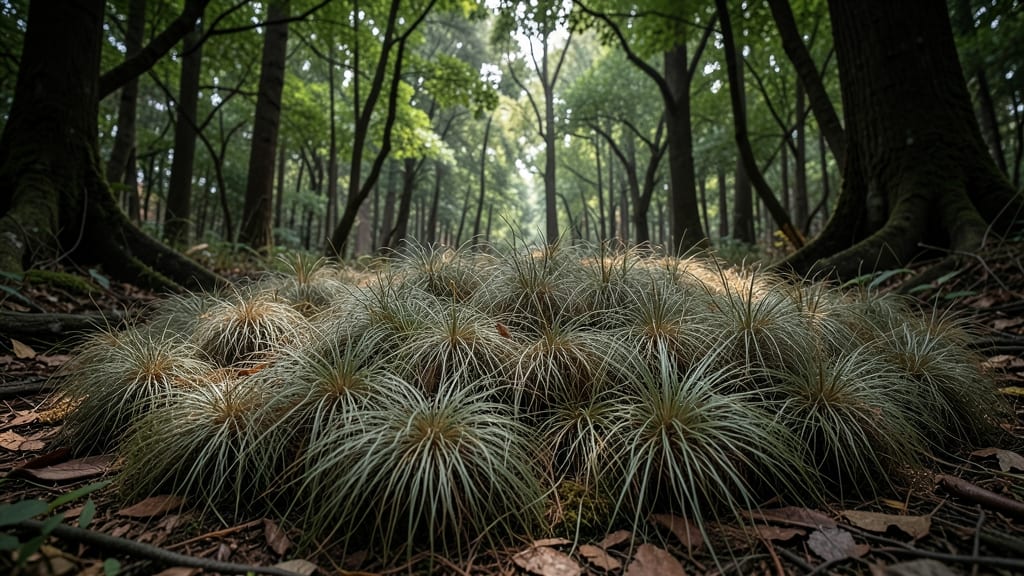
Transform shady spots into lush green escapes with these seven fast-growing creeper plants that thrive in low light. Perfect for vertical gardens, dark corners, or under trees, these vines add drama and texture without needing sunlight.
English Ivy Climbing Vine
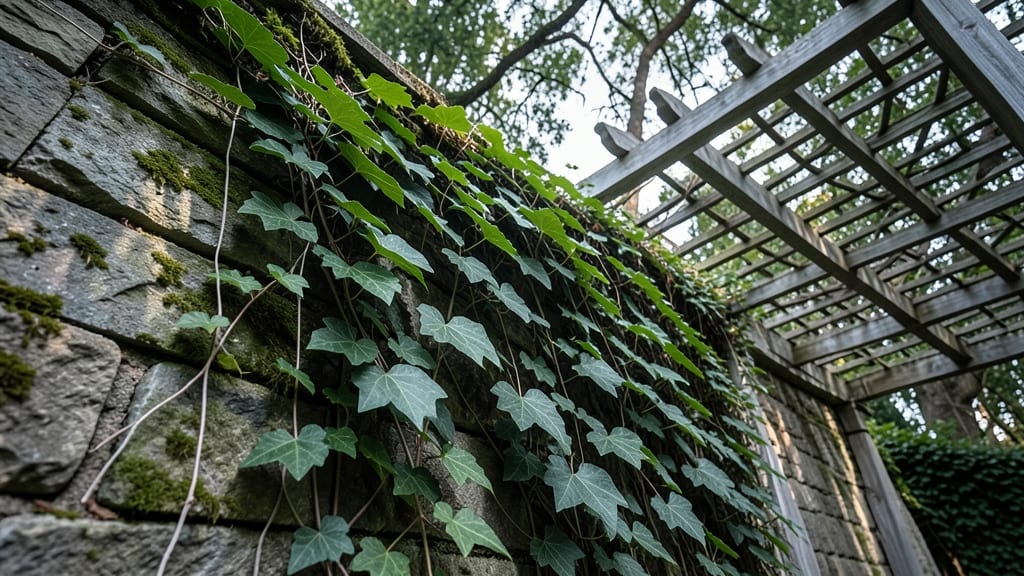
If your garden features historic stone walls or a grand pergola begging for a touch of old-world charm, English ivy (Hedera helix) is your go-to creeper. This classic vine thrives in deep shade where other plants fade, making it perfect for transforming dark corners into lush vertical gardens.
English ivy spreads aggressively—ideal for quick coverage—but its evergreen leaves stay vibrant year-round. For best results, plant in well-draining soil and train it along trellises or walls using soft ties. Prune in early spring to control growth and encourage bushier foliage. Its hardiness (zones 4-9) ensures it survives frost and drought once established.
Homeowners with large vertical surfaces or gardeners seeking low-maintenance elegance will love how English ivy softens architecture while adding texture. Just be mindful of its invasive tendencies in warmer climates. 🌿
Swedish Ivy Trailing Plant
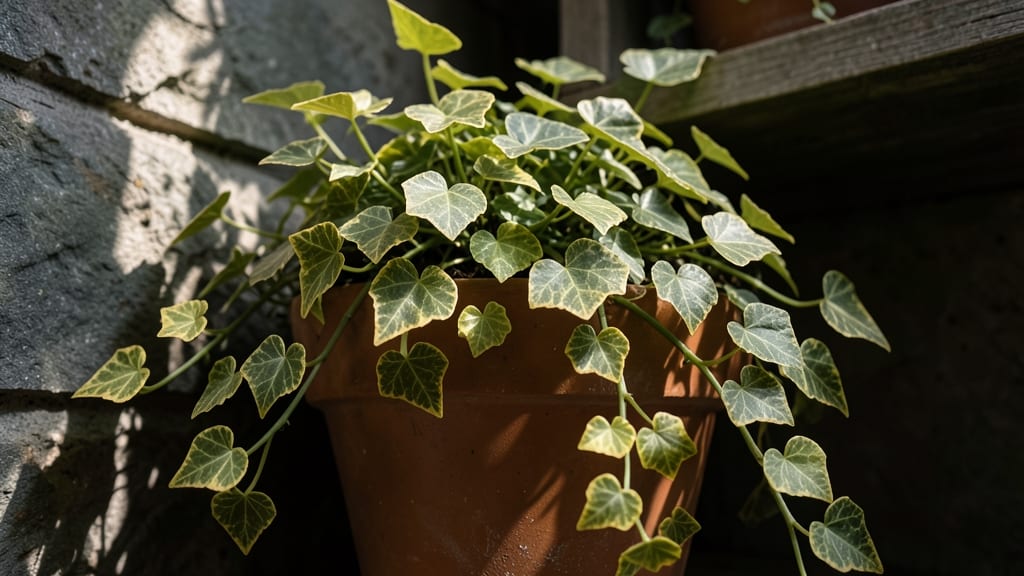
Tired of plants that flop in shady spots? Swedish ivy (Plectranthus coleoides) thrives where others fail, offering golden-green variegated leaves that brighten dark corners without needing sunlight. Unlike its aggressive cousin, English ivy, this creeper stays compact and controlled—ideal for hanging baskets, window boxes, or as a tidy ground cover.
This non-invasive plant loves partial to full shade and tolerates both indoor and outdoor conditions. Water when the top inch of soil feels dry, and pinch back leggy stems to encourage bushier growth. Its trailing habit makes it perfect for cascading over shelves or adding texture to shaded patios.
Urban gardeners and apartment dwellers will love how Swedish ivy breathes life into dim spaces without demanding constant attention. It’s the ideal solution for transforming forgotten corners into vibrant, low-maintenance green havens. 🌱
Boston Fern Cascading Vine
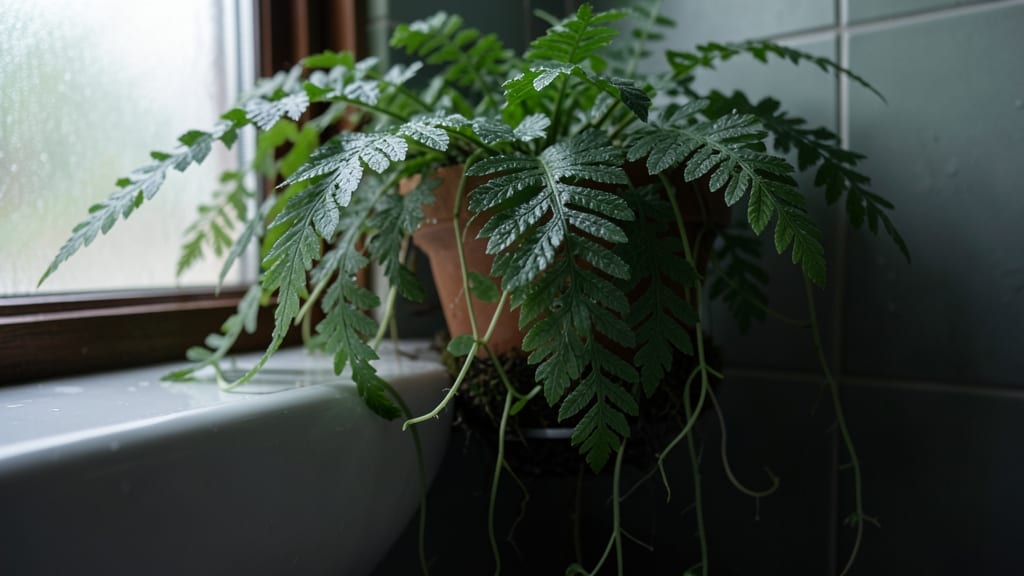
Turn your shady bathroom or dim corner into a mini jungle with the Boston fern, a cascading vine that thrives where others wilt. This lush, feathery plant doesn’t just survive in low light—it purifies the air while adding a tropical vibe to indoor spaces.
Keep the soil consistently moist (but not soggy) and provide indirect light—it’s happiest in spots with 2-4 hours of filtered sunlight daily. Mist the fronds occasionally to mimic its natural humid environment, and watch it cascade beautifully from shelves, macramé hangers, or vertical planters. Perfect for urban dwellers or anyone craving greenery in tight spaces! 🌿
Sweet Potato Vine Trailing
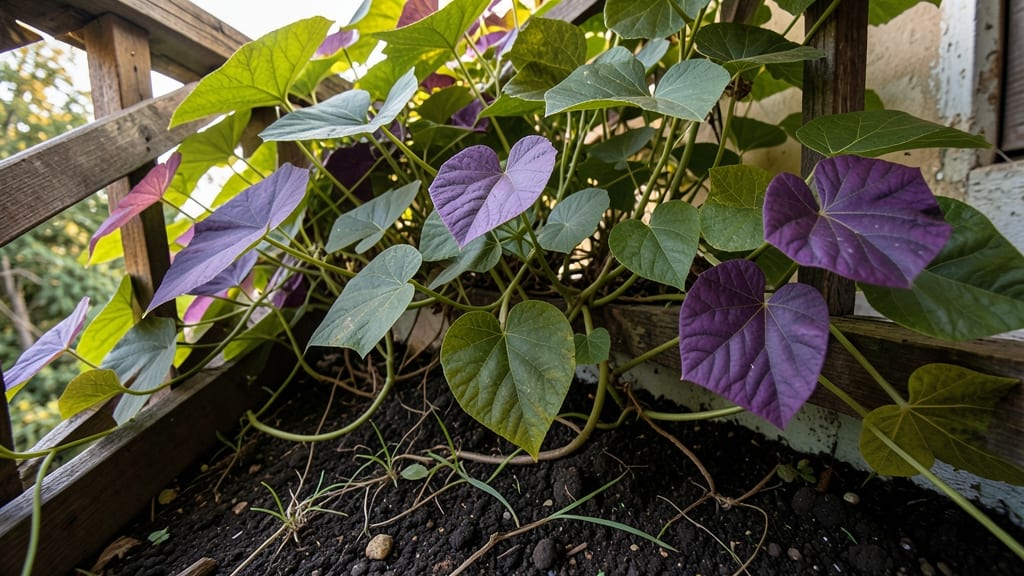
Want instant color in shady balconies or a weed-suppressing ground cover that grows faster than weeds? Sweet potato vine (Ipomoea batatas) delivers both with its vibrant purple or chartreuse leaves and breakneck growth rate—up to 12 inches per week under ideal conditions.
This hardy annual thrives in partial shade (3-6 hours of sun) and tolerates poor soil, making it perfect for containers or as a living mulch. Snip stems to control size or let them trail freely over edges. For extra drama, mix purple and green varieties in the same pot. It’s non-toxic and deer-resistant, too!
Balcony gardeners and urban dwellers will love how sweet potato vine transforms dull spaces into lush displays with minimal effort. Just keep it watered—its rapid growth means it drinks up moisture quickly. ✨
Hoya Carnosa Wax Plant
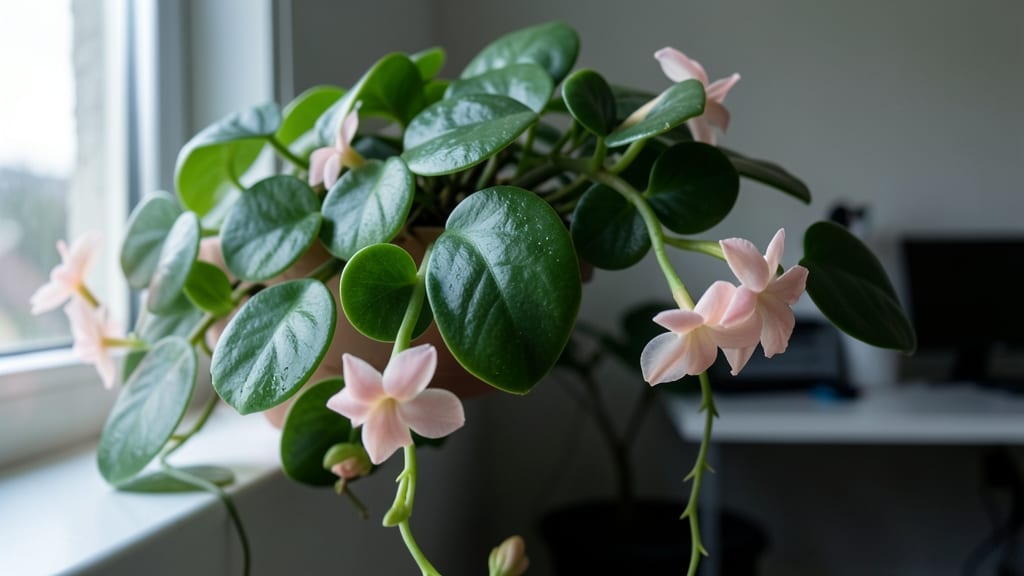
Looking for a fragrant, architectural creeper that thrives in dim offices or sunless windowsills? The Hoya carnosa, or wax plant, delivers glossy, succulent-like leaves and occasional clusters of sweet-scented flowers—all with almost no effort. Unlike thirsty vines, this plant stores water in its thick leaves, making it perfect for forgetful gardeners or those with inconsistent light.
Place your Hoya carnosa in bright, indirect light (it tolerates low light better than most succulents) and water only when the soil is completely dry—typically every 3-4 weeks. Its trailing habit makes it ideal for shelves, macramé hangers, or vertical planters, where its waxy foliage adds a touch of exotic elegance. For extra drama, let it flower by providing a cool nighttime temperature (around 60°F) in winter.
This plant is a game-changer for urban apartments or offices with limited natural light, offering both beauty and air-purifying benefits without demanding constant care. 🌟
Creeping Fig Trailing Vine
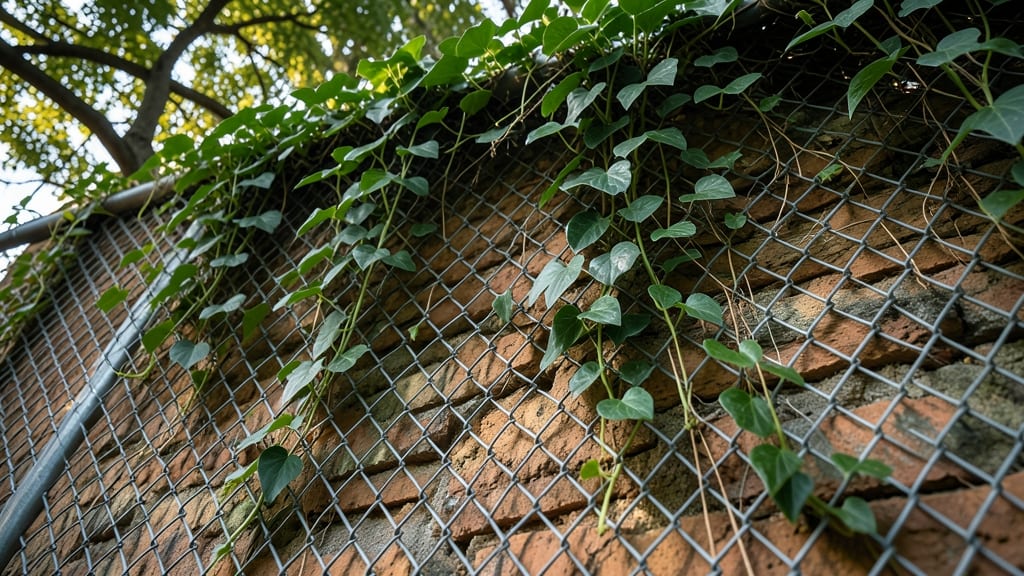
Tired of staring at bare or unsightly fences? The creeping fig (Ficus pumila) is your secret weapon for transforming shaded outdoor spaces with minimal effort. This drought-tolerant vine thrives in areas where sunlight barely reaches, making it perfect for covering chain-link fences, brick walls, or even adding life to dark basement windows.
Once established, creeping fig spreads quickly—up to 12 inches per year—while requiring little water once rooted. Its leathery, deep green leaves stay vibrant even in dry shade, and it adapts to both indoor and outdoor conditions. For best results, plant in well-draining soil and train it along trellises or wire mesh using soft plant ties. Prune occasionally to maintain shape, but otherwise, it’s nearly maintenance-free.
This vine is ideal for urban gardeners or anyone looking to disguise unsightly structures without sacrificing shade-loving plants. Its ability to thrive in low-light conditions makes it a standout choice for transforming forgotten corners into lush, green escapes. ✨
Philodendron Heartleaf Vine
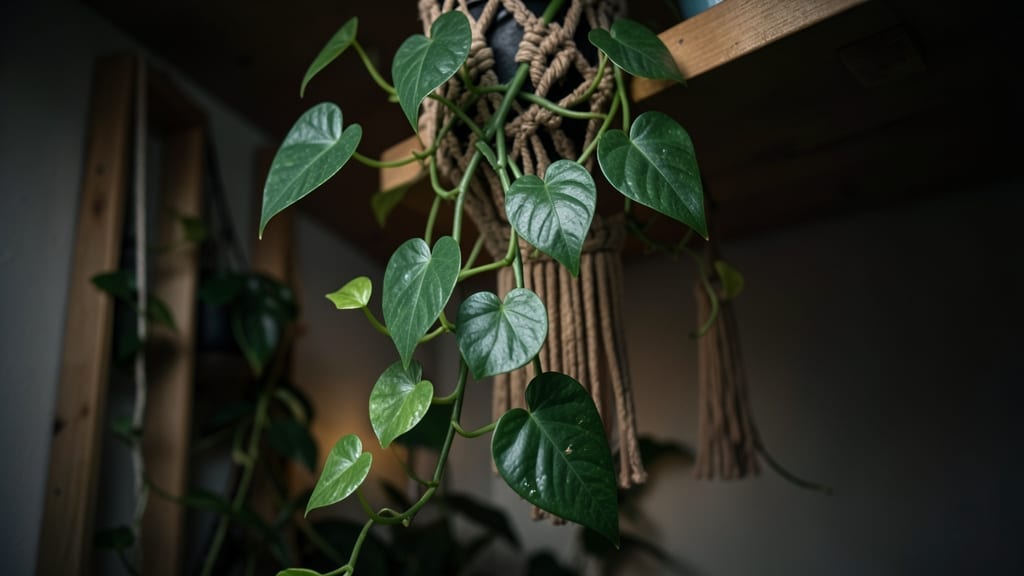
If you're looking for a pet-safe creeper that won’t demand constant attention, the Philodendron Heartleaf Vine is your perfect match. This fast-growing, shade-loving plant thrives in low-light conditions—ideal for shelves, macramé hangers, or even dim corners where other plants struggle to survive.
Water when the top inch of soil feels dry, and watch it reward you with glossy, heart-shaped leaves that add instant lushness. Unlike aggressive vines, this plant stays contained unless you encourage it to trail, making it ideal for small spaces. Its non-toxic nature means you can safely grow it around curious pets or children.
Beginners and busy gardeners will appreciate how this vine tolerates occasional neglect while still delivering vibrant foliage. It’s the ultimate low-maintenance choice for adding greenery to your home without the fuss. 💚