
Flowers
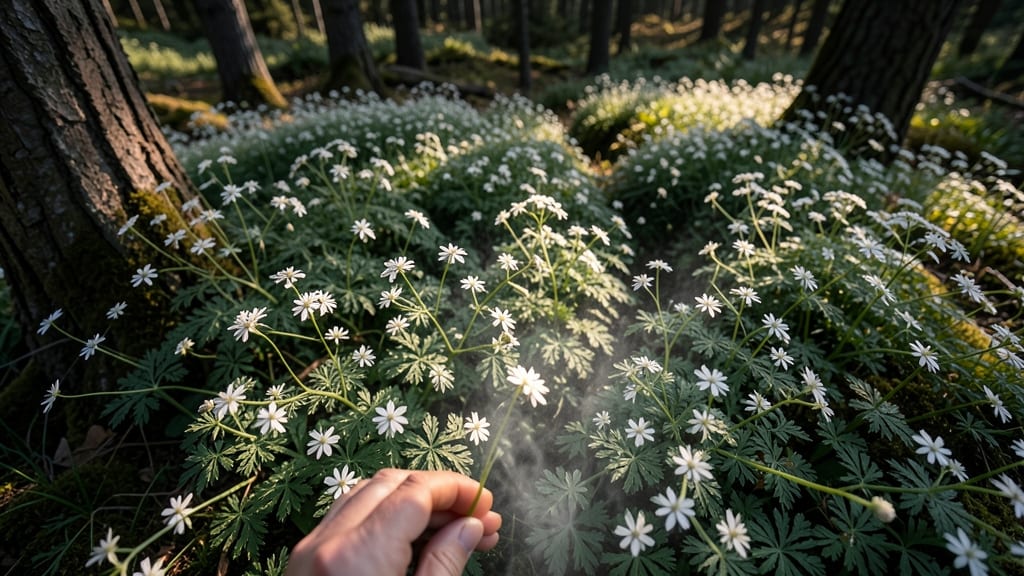
Dark corners of your garden don’t have to be dull. These 10 vibrant shade flowers thrive in low light while delivering year-round color—perfect for transforming gloomy spaces into lush, eye-catching displays.
Impatiens: Bright Blooms for Containers and Beds
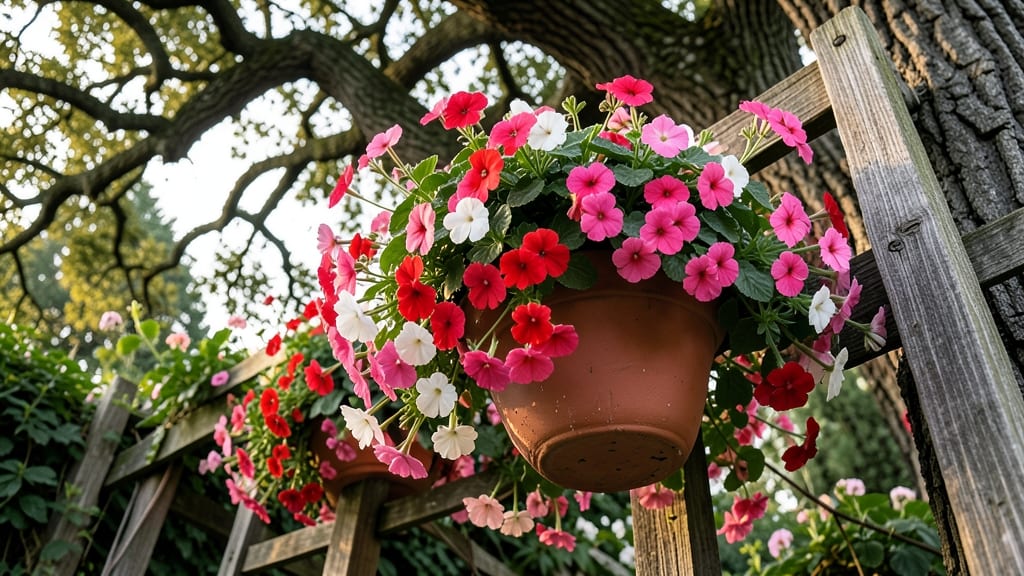
Tired of dull, shadowy garden corners? Impatiens are your secret weapon for instant color in shady spots, offering blooms that last all season with minimal effort. These cheerful flowers thrive in partial to full shade, making them ideal for under trees, along north-facing walls, or in hanging baskets where sunlight is scarce.
With varieties in red, pink, and purple, impatiens create a vibrant display from early summer through frost. They’re perfect for beginners because they’re low-maintenance—just keep the soil consistently moist and deadhead spent blooms to encourage more flowers. Their trailing habit also makes them ideal for spilling over container edges or filling gaps in garden beds.
Urban gardeners and balcony growers will love how impatiens brighten small spaces with their nonstop blooms. Pair them with ferns or hostas for a lush, layered look that’s both easy and stunning. 🌻
Hosta Varieties: Bold Leaves with Seasonal Flowers
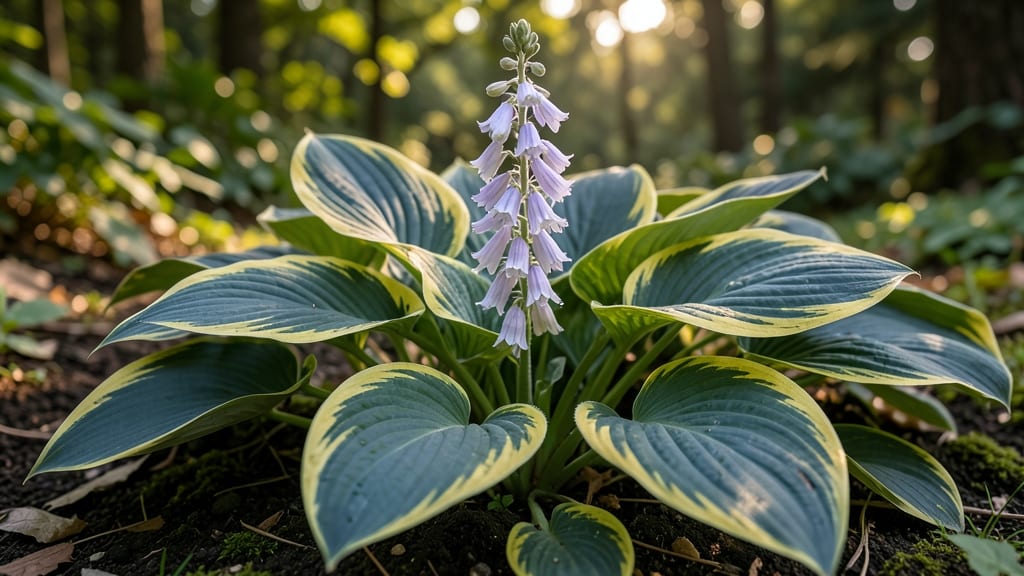
If you’ve ever dismissed hostas as just a foliage plant, think again—these bold-leaved beauties pack a floral surprise with delicate lavender or white summer blooms that add unexpected color to shady spots. While their striking variegated leaves steal the show year-round, the tall flower spikes (reaching 2-4 feet) create a dreamy, ethereal effect that pairs perfectly with woodland gardens or patio containers.
For best results, plant hostas in partial to full shade where their leaves stay vibrant, and water consistently to keep the soil moist but well-draining. Varieties like ‘Halcyon’ (blue-green leaves with lavender blooms) or ‘Francee’ (gold-edged foliage with white flowers) offer both texture and color. Slugs love them, so consider organic slug bait or beer traps to protect your investment. Their low-maintenance nature makes them ideal for beginners and busy gardeners alike.
Hostas are the ultimate dual-purpose shade plant—offering year-round foliage interest with a seasonal floral bonus. They’re perfect for adding height and drama to shady borders or as a striking focal point under trees. 🌟
Bleeding Heart: Elegant Pink and White Spikes
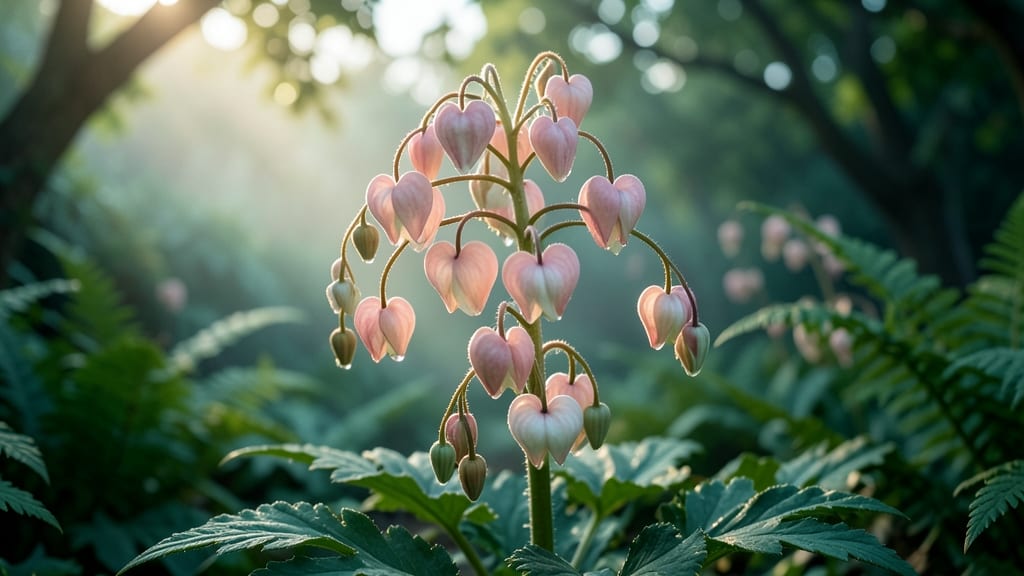
Looking for a plant that feels like a whisper of romance in your garden? Bleeding heart (Dicentra spectabilis) delivers cascading spikes of heart-shaped blooms in soft pink and white, creating a dreamy focal point that thrives where most flowers struggle.
This shade-loving perennial flourishes in partial shade to full shade, making it ideal for woodland gardens or as a dramatic understory plant beneath trees. Its fern-like foliage provides year-round interest, while blooms appear in late spring to early summer. For best results, plant in moist, well-draining soil and divide clumps every 3-4 years to maintain vigor.
Perfect for cottage gardeners or those seeking a low-maintenance yet striking centerpiece, bleeding heart brings old-world charm with minimal effort. 💚
Hydrangeas: Giant Colorful Clusters for Dramatic Impact
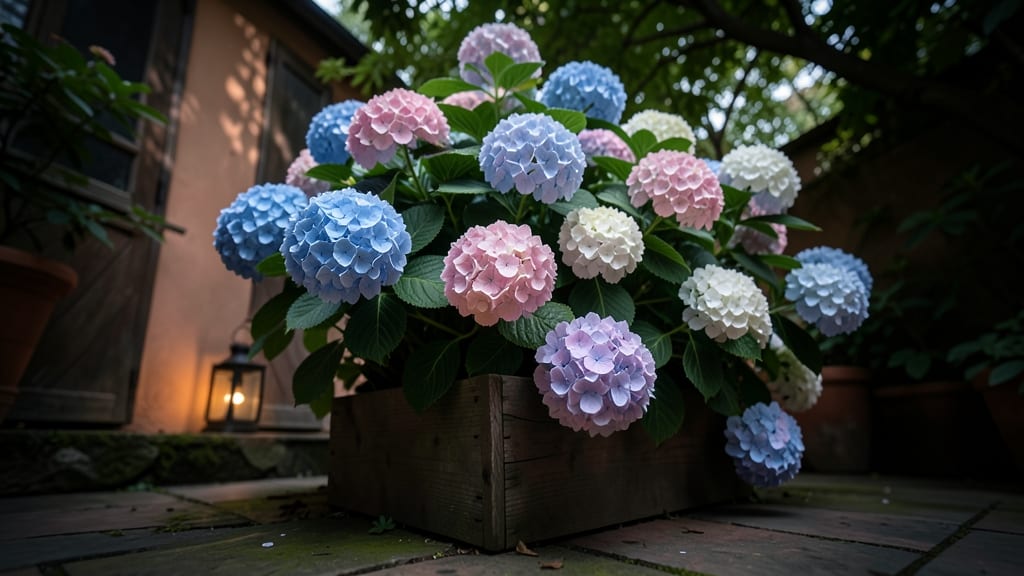
Want to turn your shady patio or garden border into a dramatic statement piece without sacrificing shade tolerance? Hydrangeas deliver giant, show-stopping blooms in blue, pink, or white—all while adapting to your soil’s pH for customizable color. Unlike sun-loving flowers, these thrive in partial to full shade, making them perfect for understory planting or north-facing beds.
The secret to their versatility lies in soil pH: acidic soil produces blue blooms, while alkaline soil yields pink flowers. For white blooms, aim for neutral soil. Plant them in moist, well-draining soil and prune in late winter to encourage larger clusters. Their large flower heads (up to 12 inches wide) create instant impact, whether used as a standalone specimen or in mixed borders with ferns and hostas.
Gardeners with limited sunlight will love how hydrangeas brighten dark corners while requiring minimal maintenance beyond occasional pruning. Their long bloom season (summer to fall) ensures months of color—ideal for creating a lush, romantic garden atmosphere. 💚
Fuchsia: Exotic Hanging Blooms for Vertical Gardens
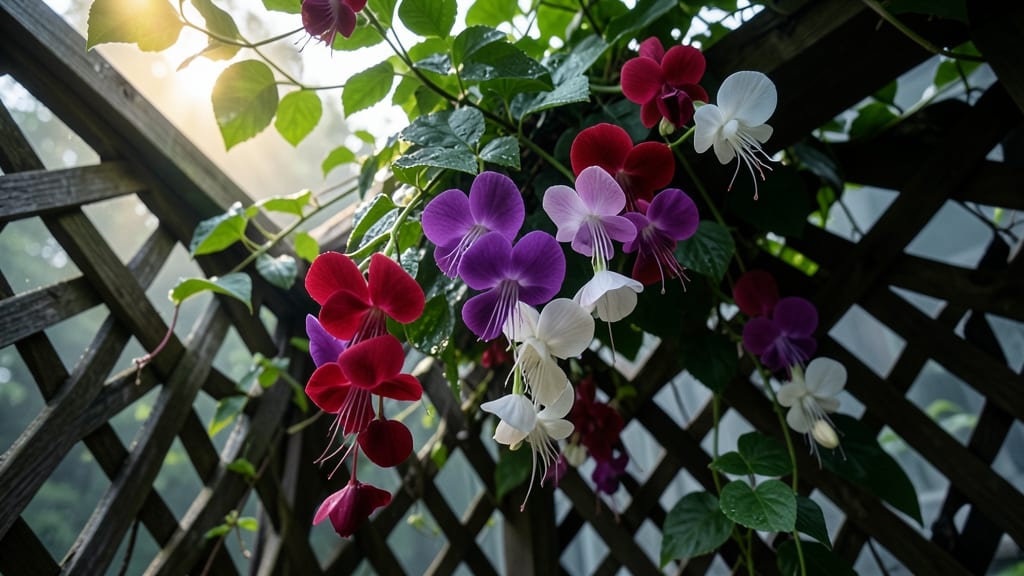
Want to bring a tropical vibe to your shaded garden without sacrificing space? Fuchsias are the answer—these cascading beauties thrive in partial shade while delivering dangling red, purple, or white flowers that hummingbirds adore. Their trailing habit makes them perfect for balconies, trellises, or hanging baskets, where they create a lush, exotic curtain of color.
Fuchsias prefer morning sun with afternoon shade and well-draining soil rich in organic matter. Choose hardy varieties like ‘Giant Marble’ (white with purple centers) or ‘Lady Boothby’ (deep magenta) for maximum impact. Prune leggy stems in early spring to encourage bushier growth, and deadhead spent blooms to prolong flowering. Their heat sensitivity means they’ll wilt in intense afternoon sun, but they bounce back quickly with proper care.
Balcony gardeners and small-space enthusiasts will love how fuchsias transform vertical spaces into vibrant displays. Pair them with ivy or sweet potato vine for a layered, jungle-like effect that’s both functional and stunning. 🌷
Astilbe: Feathery Plumes in Vibrant Colors
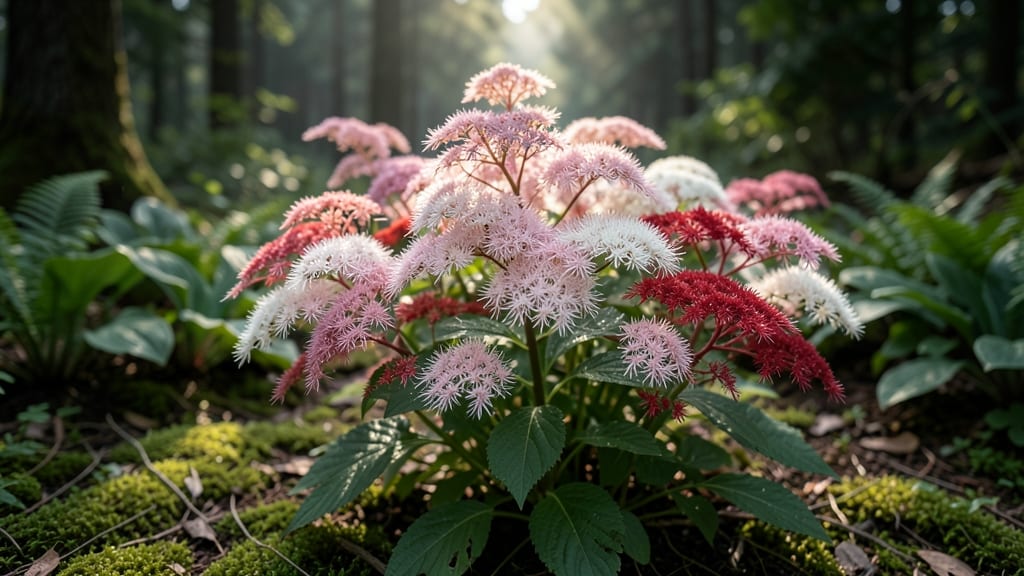
Want to add textural magic to your shady garden without sacrificing color? Astilbe delivers feathery plumes in soft pink, fiery red, or pure white that dance in the breeze all summer long. Unlike many shade plants, astilbe thrives where others falter—moist, shady spots like woodland edges or near ponds—making it the perfect partner for ferns, hostas, or bleeding heart.
These clump-forming perennials (growing 1-3 feet tall) love consistently damp soil—ideal for rain gardens or areas with poor drainage. Choose varieties like ‘Fanal’ (deep red) or ‘Deutschland’ (pale pink) for maximum drama. Deadhead spent blooms to encourage more flowers, and divide every 3-4 years to keep plants vigorous. Their long-lasting blooms (June through August) make them a workhorse for cut flowers too.
Perfect for cottage gardeners, woodland lovers, or anyone craving effortless elegance, astilbe turns dull corners into romantic, textured focal points. Pair it with hostas for a foolproof shade combo that’s both easy and stunning. 🌿
Heuchera: Striking Foliage with Subtle Blooms
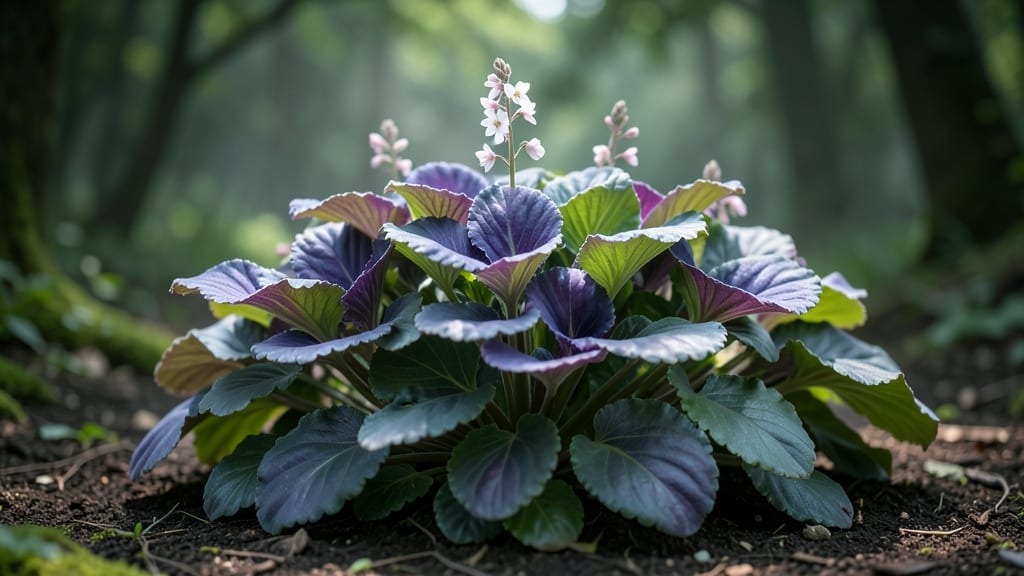
Want a shade plant that delivers year-round color without relying solely on flowers? Meet heuchera, where the real showstopper is its striking foliage in hues of purple, silver, or lime—paired with delicate white or pink blooms that add a subtle floral touch. This versatile perennial thrives in partial to full shade, making it ideal for understory planting, containers, or as a textural anchor in shady borders.
Heuchera’s foliage colors intensify in cooler weather, ensuring visual interest even in winter. For best results, plant in well-draining soil and water moderately—overwatering can lead to root rot. Varieties like ‘Palace Purple’ or ‘Lime Rickey’ offer dramatic contrast, while ‘Berry Smoothie’ blends multiple colors for a confetti-like effect. Its compact size (12-18 inches tall) makes it perfect for small spaces or layered garden beds.
This plant is a game-changer for gardeners who want low-maintenance beauty with minimal fuss. Urban gardeners with limited sunlight or those seeking a textural contrast to other shade plants will find heuchera’s bold leaves and dainty flowers create a cohesive, eye-catching display. 🌷
Lungwort: Unique Spotted Leaves and Blue Flowers
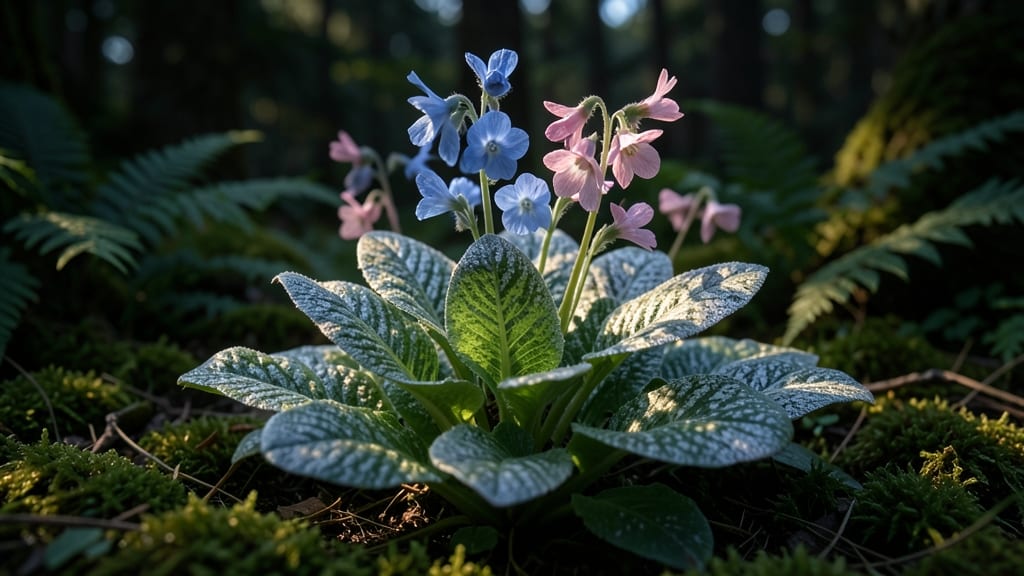
Want a shade plant that doubles as a pollinator magnet while adding whimsical texture to your garden? Lungwort (Pulmonaria) delivers with its striking silver-spotted foliage that transforms to green in spring, paired with delicate blue or pink blooms that appear before the leaves fully emerge. This hardy perennial thrives where others falter—in damp, shady spots like woodland edges or understory areas—making it a secret weapon for transforming gloomy corners into lively displays.
Lungwort’s unique foliage isn’t just decorative—it’s functional too. The silver spots help regulate leaf temperature, while the early spring blooms provide crucial nectar for bees when few other flowers are in season. Plant it in moist, well-draining soil with partial to full shade, and watch it spread gradually to form attractive ground covers. Varieties like ‘Blue Ensign’ (deep blue flowers) or ‘Sissinghurst White’ (pale pink blooms) offer different color accents for your shade palette.
Perfect for cottage gardeners and woodland enthusiasts, lungwort brings both visual interest and ecological benefits to shady spots. Its long bloom time and low-maintenance nature make it a standout choice for gardeners who want beauty without the fuss. 💚
Japanese Painted Fern: Lacy Fronds for Texture
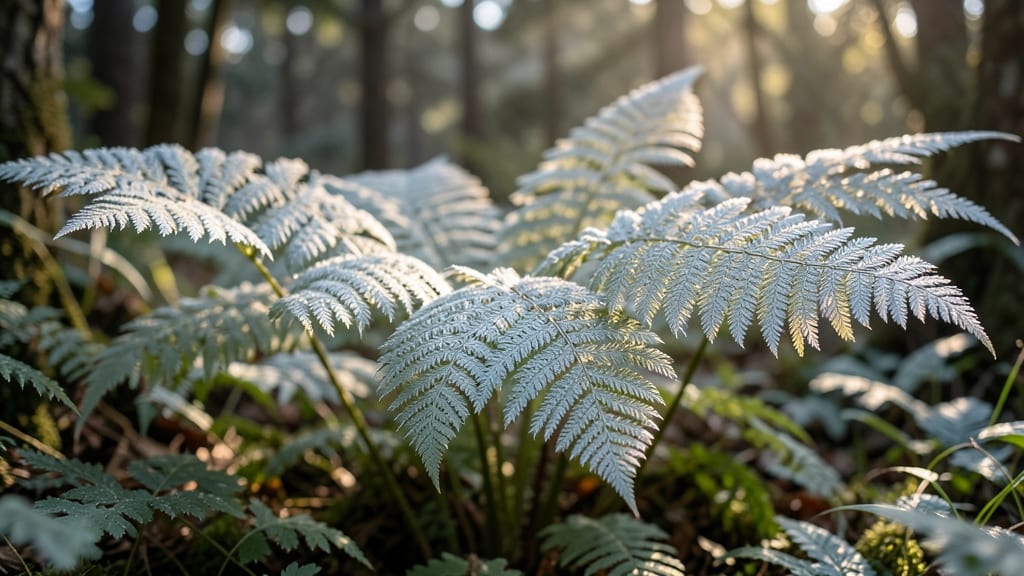
Tired of shade gardens that feel flat and one-dimensional? The Japanese painted fern (Athyrium niponicum var. pictum) injects architectural intrigue with its silvery-green, lacy fronds that shimmer like frosted glass in dappled light. Unlike broad-leafed plants, this fern creates movement and texture, making it a standout in layered shade beds or as a living mulch under trees.
This hardy perennial thrives in partial to full shade and tolerates a wide range of soils, though it prefers moist, well-draining conditions. Its subtle greenish-yellow blooms in late summer add a delicate contrast to the silvery foliage. For best results, plant in groups of 3-5 to create a cohesive "sea of silver" effect, or pair it with hostas or lungwort for a woodland-inspired look. With minimal care (just occasional watering in dry spells), it rewards you with year-round interest and a unique structural element.
Perfect for gardeners who love textural contrast without the fuss of high-maintenance plants, this fern is especially ideal for urban gardeners with limited sunlight or those seeking a low-growing alternative to traditional ground covers. 💚
Sweet Woodruff: Fragrant White Flowers for Ground Cover

Craving a fragrant garden experience without the fuss of high-maintenance flowers? Sweet woodruff (Galium odoratum) delivers a scented carpet of delicate white blooms that spreads effortlessly in shady spots. Unlike other shade plants, this woodland native releases a vanilla-like aroma when crushed, making it perfect for pathways, understory planting, or as a living mulch where its scent enhances every step.
This low-growing perennial thrives in partial to full shade and tolerates dry conditions once established, making it ideal for problem areas like under trees or along north-facing walls. Plant it in well-draining soil and let it self-seed—it spreads quickly but stays contained, forming a lush green mat by late spring. The white star-shaped flowers appear in May and June, followed by tiny black berries that birds love. Its deer-resistant nature makes it a practical choice for rural gardens too.
Perfect for beginner gardeners, woodland lovers, or anyone seeking sensory-rich shade, sweet woodruff turns dull corners into fragrant, textured spaces with almost no effort. Pair it with ferns or hostas for a low-maintenance, fragrant ground cover combo that’s both functional and magical. 💚