
Planting
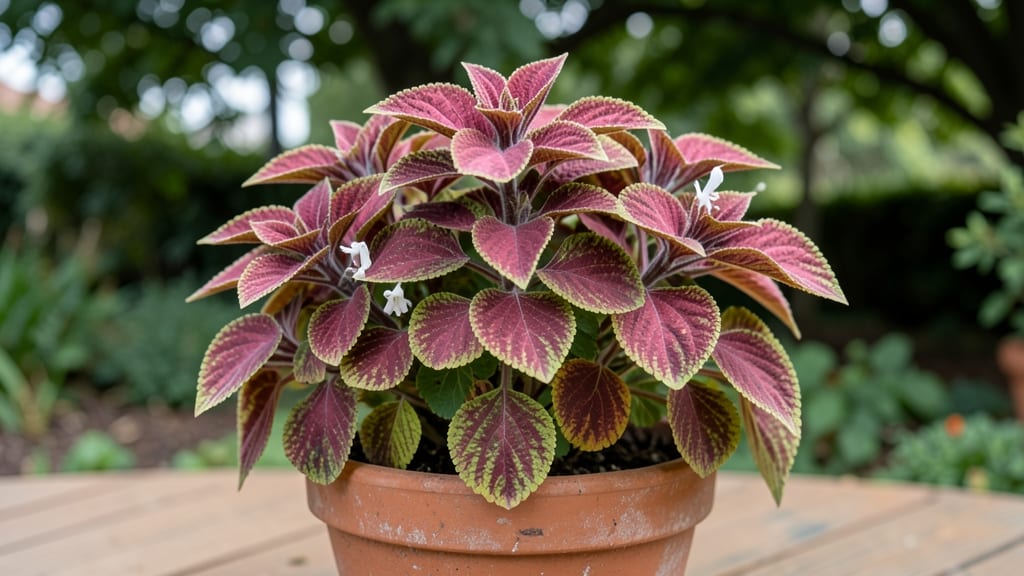
Your shady spots finally get their moment to shine with coleus in shade—those jaw-dropping foliage plants that refuse to play by the rules. 🌿 I've filled my north-facing porch with varieties that thrive where most plants wilt, and the results are nothing short of shocking: deep burgundy, electric chartreuse, and neon pink leaves that stay vibrant all season long.
The secret starts with choosing the right varieties—look for labels like 'Black Dragon' or 'Wine & Roses' that specifically mention shade tolerance. You'll also need rich, well-draining soil that stays consistently moist but never soggy, plus a spot that gets at least 4-6 hours of filtered light daily.
My first attempt with a sun-loving variety ended in sad, pale leaves, but once I switched to shade-tolerant types, everything changed.
What you'll end up with is foliage so vibrant it makes your neighbors do double-takes. The plants grow bushier in shade, with shorter stems and more intense colors than their sun-happy cousins.
Plus, they handle humidity better, making them perfect for bathrooms, covered patios, or the north side of your house where nothing else wants to grow.
Container gardeners take note—coleus thrives in pots, letting you move them to catch more light during winter when days grow shorter. Just avoid letting the soil dry out completely, and you'll have lush, productive plants that reward your patience with months of stunning color.
Here's how to make it happen without the guesswork.
📚 In This Guide
- What you need
- Instructions
- Tips and common mistakes
- Wrapping up and next steps
What you need
- ● Coleus plant: Choose a shade-tolerant variety (e.g., 'Black Dragon,' 'Wine & Roses,' or 'Rainbow Romance'). Pro tip: Nursery-grown plants (4-6" tall) are easiest for beginners!
- ● Well-draining potting mix: 1–2 gallons of a light, airy blend (e.g., 60% peat moss, 20% perlite, 20% coco coir). Avoid heavy garden soil!
- ○ Container: A pot with drainage holes (6–12" diameter, depending on plant size). Optional: Self-watering pots for low-maintenance care.
- ● Watering can or spray bottle: For gentle hydration (coleus hates soggy roots!).
- ● Trowel or small shovel: For transplanting or dividing roots.
- ● Pruning shears: To trim leggy stems and encourage bushier growth.
- ○ Fertilizer (optional): Balanced liquid fertilizer (10-10-10 or 20-20-20), diluted to half-strength.
- ● Slow-release granules: Mix 1 tbsp per gallon of soil for steady nutrients.
- ○ Grow lights (optional):strong> LED or fluorescent lights (12–16 hrs/day) if natural light is very dim.
- ● Location: Bright, indirect light (e.g., north-facing window, under trees, or a shaded patio). ⚠️ Avoid direct sun—coleus burns easily!
- ● Temperature: Ideal range: 65–75°F (18–24°C). Keep away from drafts or cold windows.
- ● Humidity: Moderate to high (40–60%+). 💡 Mist leaves or use a pebble tray if your air is dry.
How to grow coleus in shady spaces for stunning foliage
Here's the simple method I use to keep my coleus thriving where others fail—no fancy tricks, just reliable results.
🌱 Step 1: Select the Right Varieties for Low Light
Not all coleus handle shade equally. Look for varieties specifically bred for low-light conditions like 'Nancy Stewart,' 'Black Dragon,' or 'Wine and Roses.' These types develop their signature colors even with minimal sunlight. Avoid bright red or neon coleus—they need more light to maintain their vibrancy.
I always check the plant tag for "low-light tolerant" labels. The leaves should already show deep, rich colors in the nursery—those are your best bets. If you're starting from cuttings, choose stems with the darkest foliage from the parent plant, as they'll carry those traits best.
☀️ Step 2: Position in Bright, Indirect Light
Coleus in shade still needs bright, indirect light—think east-facing windows or a few feet from a south window. Direct morning sun is fine, but harsh afternoon rays will scorch leaves. If your space gets only artificial light, place the plant under LED grow lights for 12-14 hours daily, keeping them 6-12 inches away to prevent stretching.
Watch for leggy growth (long stems with sparse leaves)—this means your plant is reaching for more light. Rotate the pot quarter-turn weekly so all sides grow evenly. I keep mine near a bathroom window with a sheer curtain to diffuse the light just right.
💧 Step 3: Water Consistently Without Overdoing It
Shade-grown coleus prefer even moisture but hate soggy roots. Water when the top inch of soil feels dry—stick your finger in to check. Overwatering causes yellow leaves, while underwatering makes foliage crispy. I water mine every 5-7 days in summer, adjusting for humidity (more often in dry air, less in damp basements).
Use room-temperature water to avoid shocking roots. Always water at the base, not overhead, to prevent fungal spots. If the soil feels damp but leaves still look droopy, it might be root-bound—time to repot. I fertilize lightly every 4-6 weeks with a balanced liquid fertilizer (10-10-10) to keep growth lush without burning leaves.
✂️ Step 4: Prune for Bushier Growth and Propagate Cuttings
Pinch back the top sets of leaves when the plant reaches 6 inches tall to encourage branching. This is key for shade coleus—they grow leggy fast. Use clean scissors to snip just above a leaf node (the bump where leaves attach). Discard the top growth or propagate it in water for new plants.
For cuttings, place stems in water with a few drops of rooting hormone (optional but speeds things up). Change the water every 3-4 days and keep in bright, indirect light. Roots appear in 2-3 weeks—then transplant into soil. I always keep a few cuttings on hand to refresh my plants when they get too leggy.
🪴 Step 5: Repot and Refresh Soil Annually
Coleus grow fast and deplete nutrients quickly. Repot every spring into a container just 1-2 inches larger than the current one. Use well-draining potting mix (I blend 50% peat moss, 30% perlite, and 20% compost) to prevent root rot. Gently loosen roots before placing in the new pot to encourage spreading.
After repotting, hold off on fertilizing for 2 weeks to let roots recover. If your coleus develops pale, sparse leaves, it’s time to refresh the soil—even with regular feeding, nutrients get used up. I top-dress with a thin layer of compost in late winter to give them a slow-release boost for the growing season.
Tips & tricks for growing vibrant coleus in shade
A few key insights that'll help your shade coleus stay lush and colorful without the guesswork.
Variety Matters: In Step 1, when selecting your coleus, pay close attention to the leaf patterns and colors. Darker varieties like 'Black Dragon' handle shade better than lighter types. I've learned this the hard way—brighter reds and pinks will fade dramatically in low light. Look for plants with deep, rich hues right from the nursery, as these will maintain their vibrancy longest.
Lighting Hack: For Step 2, if you're using grow lights, position them just 6 inches above the plant for the first week to help them adjust. After that, you can move them up to 12 inches. I've seen dramatic differences in growth when I keep this distance—too close causes burning, too far means weak stems. Also, try rotating your plant a quarter turn every few days to prevent it from leaning toward the light source.
Watering Wisdom: In Step 3, when checking soil moisture, press your finger about an inch deep—this is where the roots actively absorb water. I've found that in humid environments, you might only need to water every 7-10 days, while dry indoor air can require watering every 4-5 days. Always water at the base and avoid getting leaves wet to prevent fungal issues that can make your coleus look sad and spotty.
Pruning Payoff: When you reach Step 4 and pinch back those top leaves, don't be shy—cut back about a third of the plant's height. This might seem drastic, but it forces the plant to branch out more, giving you that bushy, full look. I keep a small vase of water nearby for my cuttings, which root beautifully in just 2-3 weeks. The key is to use clean, sharp scissors and make cuts just above a leaf node where new growth will emerge.
Pro Tips for Coleus Shade Plant
- A few key insights that'll help your shade coleus stay lush and colorful without the guesswork.
- Variety Matters: In Step 1, when selecting your coleus, pay close attention to the leaf patterns and colors.
- Lighting Hack: For Step 2, if you're using grow lights, position them just 6 inches above the plant for the first week to help them adjust.
Frequently asked questions
Got questions about growing coleus shade plants? You’re not alone!
Here are some of the most common concerns—plus quick, practical answers to keep your foliage thriving in low-light spaces.
Can coleus grow in deep shade?
Yes! While they prefer bright, indirect light, coleus can tolerate partial to full shade—especially variegated varieties. In deep shade, expect slower growth and less vibrant colors. Rotate the pot occasionally to ensure even exposure and boost foliage intensity.
How long does it take for coleus to adjust to shade?
Coleus typically adapts within 2–4 weeks when moved to shadier conditions. Watch for leggy growth or pale leaves—this means it’s craving more light. Gradually increase indirect light exposure to help it transition smoothly.
Why are my coleus leaves turning yellow in shade?
Yellowing leaves often signal overwatering or nutrient deficiency in low-light conditions. Ensure the soil drains well and water only when the top inch feels dry. A balanced, water-soluble fertilizer (diluted to half-strength) every 4–6 weeks can revive its health.
What’s a good shade-tolerant alternative to coleus?
If you love bold foliage but need even more shade resilience, try:
- Caladiums (elephant ear plants) – Thrives in dim corners with colorful leaves.
- Peperomia – Compact, low-maintenance, and perfect for north-facing windows.
- Philodendron ‘Brazil’ – Heart-shaped leaves that flourish in indirect light.
Are coleus plants toxic to pets?
Yes, coleus contains solanine, which can cause mild stomach upset if ingested by pets (especially cats and dogs). Keep them out of reach or opt for pet-safe alternatives like spider plants or Boston ferns if you have furry friends.
Wrapping up and next steps
Growing a coleus shade plant is a fantastic way to bring bold colors and life to your low-light spaces—whether it’s a cozy corner, a sunroom, or an office nook! 🌿 With the right care, these vibrant plants reward you with lush foliage that’s as easy to maintain as it is stunning.
Whether you’re a seasoned gardener or just starting, your coleus will thrive with a little attention to light, water, and soil.
Ready to level up your indoor garden? Start by picking your favorite variety, grab those supplies, and give your coleus the love it deserves. Before you know it, your space will be bursting with color—one leafy masterpiece at a time! 🌈