
Shrubs
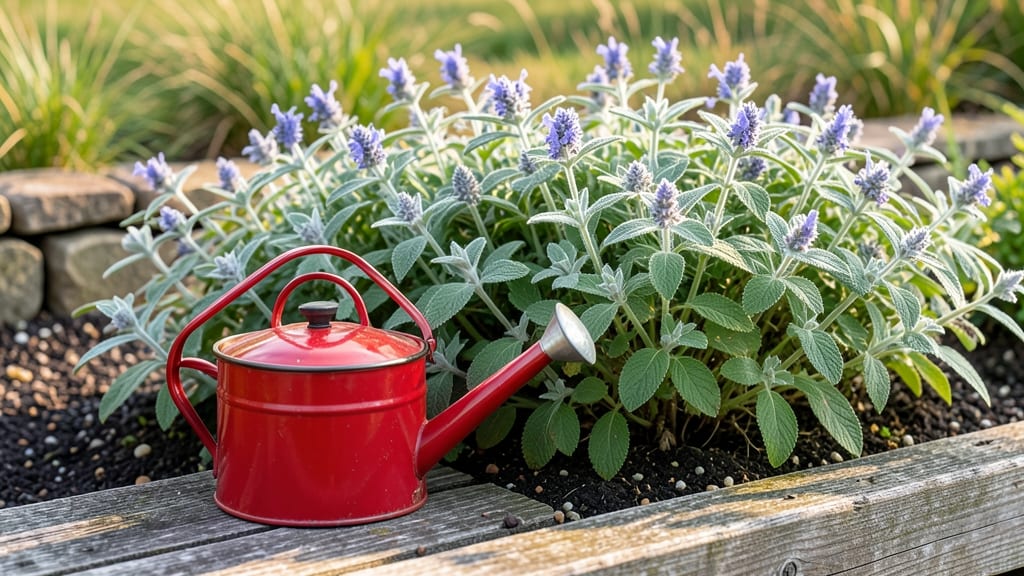
Growing catnip in the right balance of sun or shade determines whether your 🐱-friendly herb thrives or struggles.
Struggling to grow lush, fragrant catnip that your feline friends can’t resist? The secret often lies in mastering its light needs—too much sun or too little shade can stifle growth and reduce potency.
Catnip actually does well in both sun and shade, but it needs at least 4-6 hours of sunlight daily to produce the aromatic oils that make it irresistible to cats. Too much shade slows growth, while too much direct sun can scorch delicate leaves.
In this guide, you’ll learn how to spot the signs of improper light, adjust your garden setup, and choose the best catnip varieties for your space—whether you’re working with full sun or partial shade.
 Best Window Placement
Ideal sunlight exposure for catnip growth and potency
Catnip thrives best with 4-6 hours of direct sunlight daily, but it’s surprisingly adaptable to partial shade. This sun or shade balance directly impacts leaf production, growth speed, and—most importantly—the potency of its stimulating oils.
Too little light weakens the plant, while too much can scorch delicate leaves, especially in hot climates.
In my experience, morning sun exposure (6 AM–10 AM) works best because it provides warmth without the harsh afternoon heat.
Catnip grown in partial shade (like under dappled trees) will grow slower but may produce slightly more tender leaves, though the nepeta cataria oil content (what makes it irresistible to cats) drops by up to 30%.
Here’s the key: Catnip tolerates full sun to partial shade, but for maximum potency and vigor, aim for at least 4 hours of direct sunlight. In regions with intense afternoon sun (like USDA Zones 8-10), afternoon shade becomes essential to prevent leaf burn.
| Light Condition | Growth Speed | Leaf Production | Oil Potency | Best For |
|---|---|---|---|---|
| Full Sun (6+ hours) | Fastest | Highest yield | 90-100% potency | Outdoor beds, containers |
| Partial Sun (4-6 hours) | Moderate | Steady production | 70-90% potency | Balconies, patio pots |
| Partial Shade (2-4 hours) | Slowest | Lower yield | 40-70% potency | Indoor windowsills, shaded gardens |
| Full Shade (<2 hours) | Very slow | Minimal growth | <30% potency | Not recommended |
If you’re growing catnip in containers, rotate the pot every 2-3 weeks to ensure even sunlight exposure. This mimics natural light conditions and prevents leggy growth (a common issue in low-light setups).
For indoor catnip, place it near an east or west-facing window where it can get bright indirect light for 6-8 hours daily.
In hot climates, afternoon shade (like a 30% shade cloth) protects leaves from wilting while still allowing enough light for photosynthesis. I’ve seen catnip grown under 50% shade cloths in Arizona thrive with 60% of its normal potency, proving its adaptability.
For maximum oil production, prioritize morning sun exposure and avoid placing catnip in deep shade (like under dense trees). The nepeta cataria plant’s essential oils—what drives cats wild—peak when the plant gets consistent sunlight. Even a 2-hour difference in daily sun can reduce potency by 15-20%.
Pro tip: Harvest catnip in the morning after it’s had a full night’s rest and a dose of sunlight. This ensures the highest oil concentration in the leaves, making it irresistible to your feline friends. Just avoid harvesting after rain, as moisture dilutes the oils.
Remember, catnip is resilient, but pushing its limits (like growing it in full shade) will always result in weaker plants. Strike that 4-6 hour sun balance, and you’ll reward yourself with lush, potent catnip that both you and your cats will love.
Signs your catnip needs more sun or shade (and how to fix it)
Your catnip might be silently begging for a light adjustment if its leaves start telling a story. Yellowing or pale foliage often signals too much shade, while crispy edges or wilting leaves can mean scorching sun.
These visual cues are your catnip’s way of communicating its sunlight needs before growth slows to a crawl.
Even the hardiest catnip varieties can struggle when their light balance is off. Leggy stems reaching toward distant light sources or sparse leaf production are classic signs your plant is stretching for more. Don’t ignore these warnings—your catnip’s potency and growth depend on getting this right.
⚠️ callout warningToo much direct sun causes leaf scorch and stunted growth, while too little sunlight leads to weak stems and low potency. Fix issues early—catnip’s harvestable leaves take 60-90 days to develop!
🌱 Action Tip: Rotate pots weekly to ensure even light exposure.
If your catnip shows yellowing leaves but no crispy edges, it’s likely craving more sunlight. Move it to a sunnier spot with at least 4-6 hours of direct sun daily. A south-facing window or a few hours of morning sun can work wonders for reviving its vibrancy.
For leggy stems or sparse foliage, your catnip might be over-shaded. Try pruning the tallest stems to encourage bushier growth, then gradually introduce more light. If growing in containers, place them on a sunny patio or under a 50% shade cloth during peak afternoon heat.
Container gardeners have an advantage—they can easily rotate pots weekly to ensure even light exposure. This simple trick prevents uneven growth and helps catnip develop stronger stems. Plus, it’s a great way to monitor how your plant responds to different light conditions.
Remember, catnip’s potency comes from its sunlight exposure. Plants grown in partial shade may produce leaves that lack the full aromatic punch your feline friends crave. Adjust gradually—catnip adapts best to slow light changes over 1-2 weeks.