
Shrubs
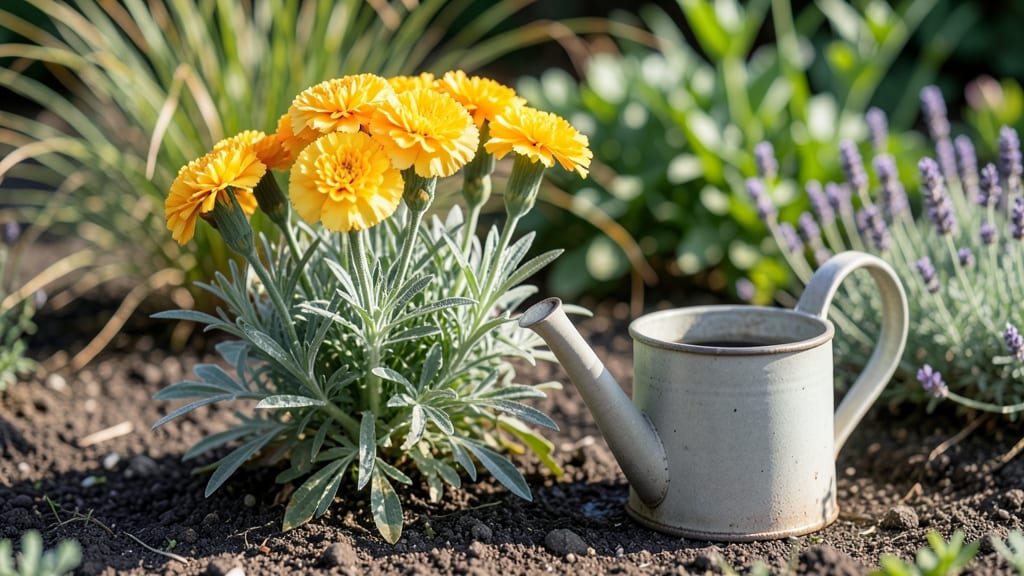
Growing carnations in the right balance of sun or shade is the key to those vibrant blooms you’ve been dreaming of 🌸 — and getting it wrong can leave you with leggy stems and sparse flowers.
Struggling to keep your carnations blooming? The battle between sun and shade is the secret weapon—or your biggest gardening enemy—when it comes to vibrant, long-lasting flowers.
Most carnations thrive with 6+ hours of sunlight daily, but too much direct heat can scorch leaves, while too little shade slows blooming. The trick lies in matching your variety—spray, standard, or dwarf—to your garden’s light conditions.
In this guide, I’ll break down exactly how much sun or shade your carnations need, how to spot when they’re unhappy, and practical fixes for hot climates or shady spots. Ready to transform your garden?
 Best Window Placement
How much sun do carnations need for optimal growth?
Carnations are classic garden favorites, but their light needs can feel like a puzzle—especially when you're balancing full sun for vibrant blooms with partial shade to prevent scorching. The truth?
It depends on the variety. Spray carnations thrive in bright conditions, while dwarf varieties might need afternoon shade in hot climates. Let’s break down the perfect light balance for each type to keep your flowers lush and blooming all season.
Most carnations crave at least 6 hours of sunlight daily, but the key is timing. Morning sun (6 AM–12 PM) is ideal because it warms the soil gently, while afternoon sun (1 PM–6 PM) can scorch delicate petals in summer.
In USDA Zone 6a and warmer, afternoon shade becomes crucial for standard carnations, which can grow up to 24 inches tall and need extra support in intense heat.
Here’s the game-changer: Carnation varieties have different tolerance levels. Spray carnations, with their bushy, multi-bloom stems, handle full sun beautifully, while dwarf carnations (6–12 inches tall) can struggle in midday heat.
Even 5–6 hours of morning sun plus 3–4 hours of afternoon shade can work for dwarf types, especially in containers where roots stay cooler.
Seasonal adjustments are non-negotiable. In spring and fall, carnations love full sun exposure (6+ hours) to fuel rapid growth. But by summer, especially in southern climates, afternoon shade becomes essential.
I’ve seen leaf burn turn petals crispy within days when plants get too much midday heat—so watch for wilting or yellowing leaves as warning signs.
Now, let’s dive into the specifics. The table below breaks down sun requirements by carnation type, including ideal light hours, shade strategies, and seasonal tweaks to keep your plants thriving.
For spray carnations, aim for 6–8 hours of direct sunlight daily. These varieties are the most sun-loving and reward you with dense clusters of blooms when given full exposure.
In my Zone 6a garden, I plant them near a south-facing fence to maximize morning sun while providing a light shade cloth for afternoon protection in July. The result? Non-stop blooms from June to frost.
If you’re growing standard carnations, think of them as the Goldilocks of light—not too much, not too little. These tall varieties (18–24 inches) need morning sun to build energy but can’t handle the intense afternoon rays that cause leaf scorch.
I’ve found that positioning them under deciduous trees works wonders—their leaves filter the sun just enough to keep stems sturdy and petals vibrant.
Don’t overlook dwarf carnations, either. These compact beauties (6–12 inches tall) are perfect for containers or shady spots where other varieties would struggle. In partial shade (3–4 hours of morning sun), they’ll still produce cheerful blooms, though you might see slightly smaller flowers.
I’ve had great luck growing them in east-facing containers near my kitchen window—they get gentle morning light without the risk of heat stress.
Pro tip: Adjust for your climate. In hot, dry regions (like Zone 8+), even spray carnations benefit from afternoon shade. Conversely, in cooler climates (like Zone 5), you can push them closer to full sun year-round.
Always monitor your plants—wilting leaves or drooping stems mean it’s time to tweak their light exposure.
Remember, well-draining soil and consistent watering (1 cup every 3–5 days) work hand-in-hand with light to keep carnations thriving. Once you nail the sun-shade balance, you’ll enjoy longer bloom seasons and fewer gardening headaches. Happy growing!
Signs your carnations are getting too much or too little sun
Your carnations might be silently screaming for help if their sunlight exposure is off. Too much sun causes leaf burn and crispy edges, while too little shade leads to leggy stems and sparse blooms. Recognizing these signs early can save your plants from stress and keep them thriving all season.
First, check the leaves—they’re the first to show stress symptoms. Yellowing between veins or brown, crispy patches mean excessive sun exposure. On the flip side, pale, elongated stems and few buds signal insufficient light. Both extremes can weaken your carnations and reduce their flowering potential.
⚠️ callout warning
Ignoring these signs can lead to permanent damage. Leaf burn from too much sun can scorch foliage beyond recovery, while leggy growth from shade weakens stems and reduces blooms by up to 50%. Act fast by adjusting light exposure or providing shade cloth if needed.
🌿 Quick Fix: Move potted carnations to a dappled shade spot or use a 30% shade cloth in hot climates.
For too much sun, relocate your carnations to a spot with morning sun and afternoon shade. If they’re in containers, move them to a shadier part of your patio or garden.
In extreme heat, a lightweight shade cloth can work wonders without blocking all light. Even dwarf varieties benefit from afternoon protection.
If your carnations are stretching toward light, they’re desperate for more sun exposure. Gradually increase their light by moving them closer to a sunny window or extending their outdoor time. For in-ground plants, consider trimming nearby trees or shrubs to allow more indirect sunlight to reach them.
Don’t forget to deadhead spent blooms—this encourages new flowers and helps your carnations focus energy on growth rather than seed production. Pair this with balanced fertilization (like a 10-10-10 NPK mix) to support recovery from light-related stress.
With the right light adjustments, your carnations will bounce back with vibrant blooms and sturdy stems. Keep an eye on their foliage and growth habits, and don’t hesitate to tweak their environment as the seasons change.