
Light Requirements
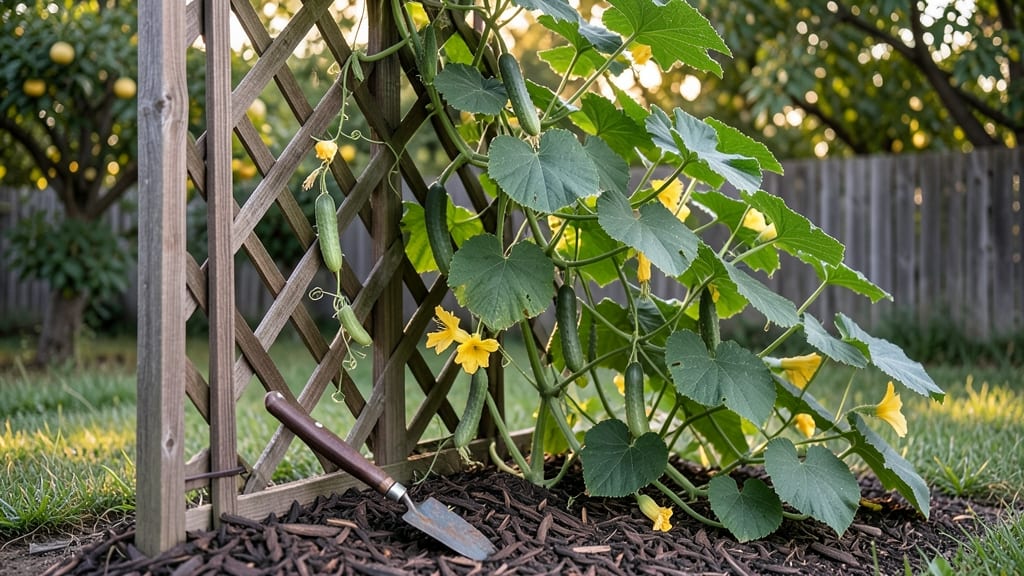
Cucumbers can grow in part shade—but they’ll fight you every step of the way. 🌿 I’ve tried forcing them into shady corners, and while they’ll technically produce, the vines get leggy, the fruit turns bitter, and powdery mildew moves in like an unwelcome houseguest.
The good news? With the right tweaks, you can salvage a decent harvest even when full sun isn’t an option.
Here’s the deal: cucumbers need at least 6 hours of direct sunlight daily to thrive, but in part shade (4–6 hours), you’ll need to compensate with container growing (better drainage = fewer diseases) and dwarf or bush varieties like ‘Bush Champion’ or ‘Spacemaster.’
If your spot only gets 3–4 hours, forget vining types—they’ll barely set fruit. Instead, focus on compact varieties and move containers to sunnier spots as the day progresses.
Watch for weak stems (they’ll flop without support) and small, seedy fruit (less sweet, more bitter). To boost production, fertilize weekly with a balanced 10-10-10 mix and prune aggressively to direct energy to fruit, not foliage.
A reflective surface (like white plastic under containers) can trick plants into thinking they’re getting more light, too.
If your shade is permanent, container gardening is your best bet—you can relocate pots to follow the sun or even bring them indoors on cloudy days. And if all else fails?
Try shade-tolerant alternatives like malabar spinach or yard-long beans, which handle low light better. Just don’t expect cucumbers to perform like they would in full sun—compromise is key in shady spots.
📚 In This Guide
- What you need
- Instructions
- Tips and common mistakes
- Wrapping up and next steps
What you need
- ● Cucumber Seeds or Seedlings: Choose shade-tolerant varieties like 'Straight Eight,' 'Lemon Cucumber,' or 'Armenian Cucumber' (they handle partial shade better than standard types).
- ● Quantity: 3–5 plants per person (or 1 plant per 12" of container space).
- ● Containers or Garden Bed: Containers: 5-gallon pots or larger (at least 12" deep) with drainage holes. Minimum 2–3 plants per container.
- ● Garden Bed: Well-draining soil in a raised bed or sunny corner with 4–6 hours of indirect light.
- ● High-Quality Potting Mix or Soil: Use a lightweight, nutrient-rich mix (e.g., 60% potting soil + 30% compost + 10% perlite or coconut coir).
- ● For containers: 1–2 bags (1.5–2 cubic feet each) per 5-gallon pot.
- ● Fertilizer: Balanced organic fertilizer (10-10-10 or 5-5-5) or compost tea for nutrient boosts.
- ● Slow-release granules: 1 tbsp per plant at planting + monthly top-ups.
- ● Support Structures: Trellis, cage, or stakes (3–4 ft tall) to encourage vertical growth and airflow.
- ○ Optional: Floating row covers (for early shade protection).
- ● Watering Supplies: Drip irrigation or watering can with a spout for gentle watering (cucumbers hate soggy roots!).
- ● Mulch (straw or shredded leaves) to retain moisture.
- ● Grow lights (LED, 12–14 hours/day) if natural light is <4 hours.
- ● Mycorrhizal fungi (for root health in containers).
- ● Shade cloth (30–50% coverage) for afternoon sun protection.
- ● Epsom salt (1 tbsp per gallon of water monthly) for magnesium boosts.
Step-by-Step guide to growing cucumbers in part shade
Here’s how to get productive cucumbers even when sunlight is limited—no fancy tricks, just smart adjustments.
🌱 Step 1: Choose the Right Varieties for Low Light
Not all cucumbers tolerate part shade equally. Opt for parthenocarpic varieties (like 'Sweet Success' or 'Dasher'), which produce fruit without pollination and handle lower light better. Avoid long, sprawling types—they’ll struggle to vine properly. I’ve found that bush varieties or compact hybrids (like 'Bush Champion') thrive in 4-6 hours of morning sun paired with afternoon shade.
Check seed packets for "shade-tolerant" labels, but even those need at least 4 hours of direct light daily. If your spot gets less than 4 hours, consider a reflective surface (like white plastic sheeting) to bounce extra light onto the plants. You’ll see slower growth at first, but with the right variety, you’ll still get fruit.
☀️ Step 2: Optimize Light and Airflow in Shady Spots
Position cucumbers where they get brightest light early in the day—morning sun is gentler and less likely to scorch leaves. If your space gets dappled shade (sun through trees), rotate the plants weekly so all sides receive equal exposure. You’ll notice leaves stretching toward light? That’s a sign to move the plant closer to the light source or add a small grow light (12-14 hours daily) for 6-8 weeks after planting.
Cucumbers need good airflow to prevent mildew, so avoid cramming them into tight spaces. Space plants 2-3 feet apart in containers or 3-4 feet apart in the ground. If your shade comes from tall structures (like a fence or building), plant cucumbers 6-12 inches away from the shade source to maximize light penetration. Prune lower leaves that touch the ground—they’ll trap moisture and invite disease.
💧 Step 3: Adjust Watering and Soil for Shade-Grown Plants
Part-shade cucumbers dry out more slowly than those in full sun, so water deeply 2-3 times per week instead of daily. Check soil moisture by sticking your finger 1 inch deep—water when it feels dry, but avoid soggy conditions. I use drip irrigation or soaker hoses to deliver water at the base, keeping leaves dry and reducing fungal risks.
Amend the soil with compost or aged manure before planting to boost fertility—shade-grown cucumbers need extra nutrients to compensate for lower photosynthesis. A balanced fertilizer (10-10-10) applied at planting and again when vines start running will help. You’ll see slower vine growth at first, but with consistent feeding, plants will compensate by focusing energy on fruit production.
✂️ Step 4: Train Vines and Prune for Better Light Capture
Use trellises, cages, or stakes to elevate vines off the ground, improving airflow and light exposure to lower leaves. I train cucumbers vertically on 5-foot trellises in shady spots—this lets them stretch toward any available light while keeping fruit accessible. Prune side shoots (suckers) that grow below the first flower cluster to redirect energy to the main vine and fruit.
If your cucumbers start yellowing or dropping leaves, it’s often a light issue. Trim back any overly leggy growth and focus on keeping the top 3-4 leaves healthy. You’ll sacrifice some yield, but the remaining fruit will be larger and healthier. Avoid heavy pruning—just enough to maintain balance. Harvest fruit every 2-3 days to encourage more production.
🌿 Step 5: Monitor and Protect from Shade-Related Stress
Watch for pale, thin leaves—a classic sign of insufficient light. If this happens, supplement with a grow light (LED or fluorescent) for 12-14 hours daily until the plant stabilizes. I’ve used clip-on LED lights for small containers with great results. Avoid over-fertilizing nitrogen-heavy mixes in low light—it promotes leafy growth at the expense of fruit.
Shade also slows down pollination, so hand-pollinate parthenocarpic varieties by gently shaking vines near flowers or using a small brush to transfer pollen. For non-parthenocarpic types, attract pollinators with nearby flowers (like marigolds or nasturtiums). You’ll see fewer flowers in shade, but with patience, you’ll still get a harvest—just smaller and later in the season.
Tips & tricks for growing cucumbers in part shade
These practical adjustments will help you coax the best harvest from your shady garden spot—no matter how limited the sun.
Variety Selection is Non-Negotiable: The 4-6 hours of morning sun mentioned in Step 1 is your golden window. I've found that parthenocarpic varieties like 'Sweet Success' actually produce fruit even with just 3-4 hours of light, but they still need that morning sun to kickstart photosynthesis. For the absolute shadiest spots, consider 'Dasher'—it's bred for containers and handles light deprivation better than most. The key is avoiding sprawling types; their vines will stretch desperately toward any light source, creating unmanageable tangles.
Light Optimization Goes Beyond Placement: That weekly rotation you read about in Step 2 isn't just about equal exposure—it's about preventing what I call "one-sided growth syndrome." I've seen cucumbers develop lopsided vines where all the leaves grow toward the sunniest side, leaving the rest yellow and weak. Rotate your containers or adjust them every 5-7 days so all sides get equal time in the light. For container growers, this is especially critical since you can't move plants in the ground easily. A small grow light for the first 6-8 weeks after planting gives plants a major confidence boost—think of it as a growth steroid for shade-challenged cucumbers.
Soil Fertility is Your Secret Weapon: The compost and balanced fertilizer (10-10-10) mentioned in Step 3 are non-negotiable, but here's what nobody tells you: shade-grown cucumbers need micronutrients too. I add a handful of Epsom salt (magnesium sulfate) at planting time to prevent yellowing between the leaf veins—a classic shade deficiency symptom. The magnesium helps the plants use whatever light they do get more efficiently. And here's a pro move: mix in some worm castings. They're packed with beneficial microbes that help roots absorb nutrients more effectively in low-light conditions.
Pruning Strategy for Maximum Yield: When you're pruning those side shoots in Step 4, focus on keeping the plant's energy directed toward the top 3-4 leaves and the main vine. I've found that removing any leaves touching the ground isn't just about disease prevention—it's about light capture. Those lower leaves might look healthy, but they're often in complete shade while the upper leaves are starving for light. A sharp pair of pruners and a little strategic cutting can make the difference between a handful of cucumbers and a full harvest. And remember: those 2-3 day harvest intervals aren't just about keeping plants productive—they're about preventing overripe fruit that can stress the plant in already challenging light conditions.
Pro Tips for Can Cucumbers Grow In Part Shade
- These practical adjustments will help you coax the best harvest from your shady garden spot—no matter how limited the sun.
- Variety Selection is Non-Negotiable: The 4-6 hours of morning sun mentioned in Step 1 is your golden window.
- Light Optimization Goes Beyond Placement: That weekly rotation you read about in Step 2 isn't just about equal exposure—it's about preventing what I call "one-sided growth syndrome."
Frequently asked questions
Got questions about growing cucumbers in part shade? You’re not alone! Here are some of the most common concerns—and straightforward answers—to help you grow thriving vines even in less-than-sunny spots.
Can cucumbers grow in part shade without fruiting?
Yes, but expect fewer fruits. Cucumbers need at least 4–6 hours of direct sunlight daily to set flowers and produce fruit. In part shade (2–4 hours of sun), they’ll focus on leafy growth. If fruiting is your goal, prioritize morning sun or supplement with grow lights.
How long does it take for cucumbers to mature in part shade?
Mature cucumbers may take 2–4 weeks longer in part shade due to slower growth. Start with fast-maturing varieties like ‘Straight Eight’ or ‘Bush Champion’ (50–60 days) and keep soil warm with black plastic mulch to speed things up.
Will part shade affect cucumber taste or texture?
Mildly—shadier conditions can make cucumbers slightly sweeter but may reduce firmness. To compensate, ensure consistent watering (1–2 inches/week) and fertilize lightly with compost or a balanced 10-10-10 mix every 3–4 weeks.
What’s the best shade alternative if my garden gets too little sun?
Try container growing near a south-facing window or balcony railing for 4+ hours of light. Alternatively, opt for shade-tolerant varieties like ‘Armenian’ or ‘Lemon’ cucumbers, which handle partial shade better than standard types.
Are cucumbers in part shade more prone to pests or disease?
Yes—shadier, humid conditions attract powdery mildew and pests like aphids. Improve airflow with spacing (12–24 inches apart) and use neem oil or copper fungicide preventatively. Mulch with straw to keep foliage dry.
Still stumped? Drop your specific shade scenario in the comments—we’re happy to help troubleshoot!
Wrapping up and next steps
Growing cucumbers in part shade isn’t just possible—it’s a fantastic way to make the most of your garden, even in less-than-sunny spots! 🌱 With the right variety, proper care, and a few smart adjustments, you can enjoy a bountiful harvest.
Whether you’re working with a shady patio, a dappled forest edge, or a north-facing yard, your cucumbers can thrive.
Ready to give it a try? Start by selecting a shade-tolerant variety, prepping your soil, and experimenting with containers or trellises. Your green thumb is all you need! Grab your gardening gloves and get planting—you’ve got this!