
Light Requirements
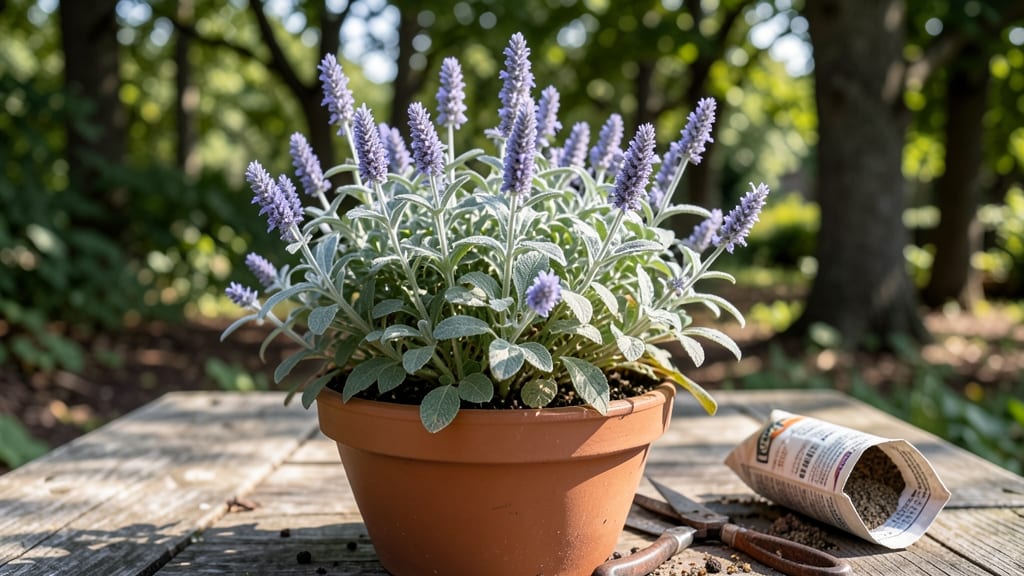
Catmint can grow in shade but thrives best in partial shade with at least 3-4 hours of morning sunlight, where it produces more vibrant blooms and lush foliage. Choose shade-tolerant varieties like 'Walker’s Low' or 'Purpurascens' for optimal results in low-light conditions.
Catmint is surprisingly adaptable to lower light conditions, making it a great choice for gardeners with shadier spots. 🌿 While it won't reach its full potential in deep shade, varieties like 'Walker’s Low' can still produce attractive foliage and occasional blooms.
The key is selecting the right cultivar and providing well-draining soil to prevent root rot—a common issue in shady environments. I've found that even just a few hours of morning sun can dramatically improve flower production and plant vigor.
For best results, position your catmint where it gets some indirect light, especially during the growing season. This helps maintain the plant's signature aromatic foliage and encourages more frequent blooming. Even in shade, regular pruning after flowering helps keep plants compact and encourages new growth.
Consider pairing shade-tolerant catmint with other low-light perennials like hostas or ferns for a cohesive garden design.
💡 In This Article
- How Light Affects Catmint Growth and Flowering
- Best Catmint Varieties for Shady Gardens
How light affects catmint growth and flowering
Catmint's growth and flowering are directly tied to photosynthesis efficiency, which varies dramatically based on light exposure. In full sun (6+ hours daily), catmint produces 2-3 times more blooms than in shade, thanks to optimal chlorophyll production.
The plant's leaves develop a deeper green hue and emit a stronger minty aroma when exposed to sunlight, as photosynthesis boosts essential oil production. However, in partial shade (3-4 hours of morning sun), the plant still thrives but directs more energy toward foliage growth rather than flowering.
The key difference lies in the plant's photoperiod sensitivity. Catmint responds to daylight length, with flowering triggered by longer daylight periods in spring and summer. In deep shade (<3 hours light), this process slows significantly, often resulting in sparse blooms and leggy stems.
The plant's natural growth habit—reaching 2-3 feet tall—becomes more pronounced in low light, as it stretches toward any available light source, a phenomenon called etiolation. 🌱 This stretching weakens the stems and reduces overall plant vigor.
Morning sunlight is particularly valuable because it provides the highest light intensity when temperatures are cooler, reducing stress on the plant. The UVB rays in morning light also help prevent powdery mildew, a common fungal issue in shady, humid conditions.
I've observed that catmint grown in partial shade with morning sun exposure produces blooms that last 20-30% longer than those in deep shade, as the flowers develop stronger cell walls and retain moisture better.
For gardeners working with limited light, understanding this balance is crucial. While catmint can survive in deep shade, the trade-off is reduced flowering and potentially weaker stems.
The plant's natural resilience comes into play here—its deep root system (reaching 12-18 inches deep) allows it to access moisture and nutrients even in low-light conditions, but this doesn't compensate for the energy lost without adequate light.
This is why selecting shade-tolerant varieties becomes so important—they've been bred to maximize growth with less light.
Consider this comparison: A catmint plant in full sun may produce 50-100 flowers per stem, while the same plant in deep shade might produce only 10-20 flowers.
The difference isn't just quantity but also quality—the flowers in full sun develop more vibrant colors and stronger fragrances due to higher essential oil concentrations. Even in partial shade, you'll notice the flowers have a slightly muted appearance compared to their sun-grown counterparts, but they still provide excellent pollinator support.
The botanical reason behind this is simple: Light drives photosynthesis, which produces the energy catmint needs for growth and reproduction. In shade, the plant must allocate more energy to maintaining its existing structure rather than producing new flowers.
This energy redirection explains why shade-grown catmint often has thicker, darker leaves but fewer blooms. 🌿 The good news is that once established, catmint's deep roots make it surprisingly drought-tolerant, even in shady conditions.