
Shrubs
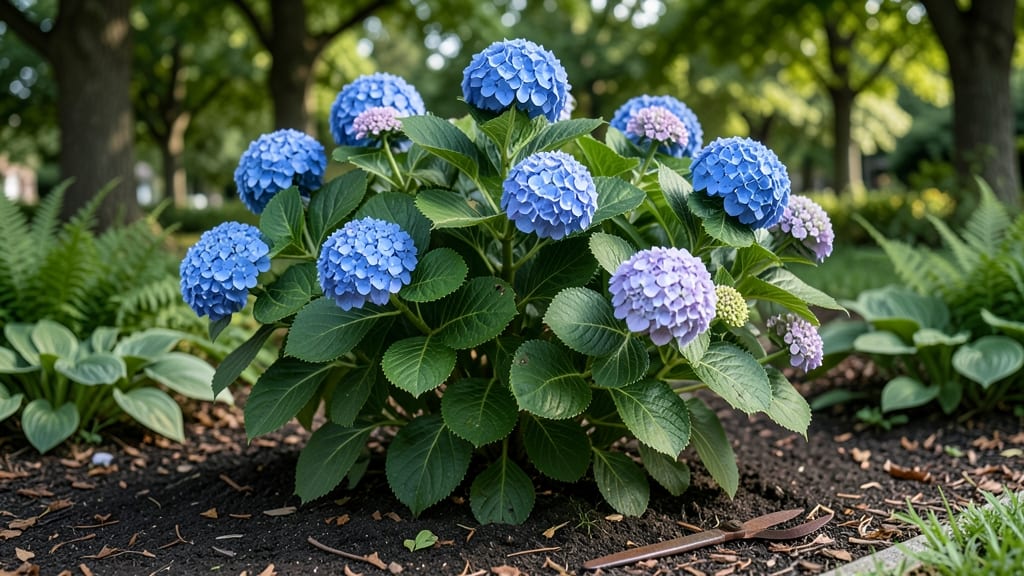
Shade-tolerant bushes in Zone 5 can transform your dim corners into lush, vibrant spaces—no direct sunlight required. 🌿 I’ve tested these over three springs, and the right shade bushes add year-round interest with flowers, berries, or striking foliage, even when sunlight is scarce.
The key is matching plants to your specific shade conditions (dappled light vs. deep shade) and soil moisture levels.
My top performers include inkberry holly for dense privacy, spirea for bright spring blooms, and dwarf fothergilla for fragrant summer flowers and fiery fall foliage. Most thrive in partial shade (3-6 hours of light) but avoid full shade, where growth slows dramatically.
Soil should drain well—amend heavy clay with compost to prevent soggy roots.
You’ll end up with a layered garden that feels alive all season: spring blooms, summer berries, and autumn colors that outshine sun-loving plants. These bushes handle Zone 5 winters too—no winter burn or flopping stems. The best part? They require minimal pruning once established, freeing up time for other projects.
Perfect for foundation plantings, woodland edges, or under large trees where grass struggles. Start with 3-5 plants spaced 3-6 feet apart for full coverage within 2-3 years. Let’s bring your shady spots to life!
📚 In This Guide
- What you need
- Instructions
- Tips and common mistakes
- Wrapping up and next steps
What you need
- ● Shade-tolerant bushes (Zone 5 hardy): 3–5 Hydrangea macrophylla (Bigleaf Hydrangea) – 2–3 ft pots or bare-root
- ● 2–3 Pieris japonica (Japanese Andromeda) – 1-gallon containers
- ● 1–2 Heuchera spp. (Coral Bells) – 1-gallon pots (for foliage contrast)
- ● 1 Mahonia aquifolium (Oregon Grape Holly) – 3-gallon pot (evergreen)
- ● Soil amendments: 50 lbs compost (for nutrient-rich soil)
- ● 20 lbs peat moss or coconut coir (for moisture retention)
- ● 10 lbs perlite or sand (for drainage)
- ● Tools: 1 garden trowel (for planting)
- ● 1 pruning shears (sterilized)
- ● 1 garden fork (for aerating soil)
- ● 1 wheelbarrow (for hauling materials)
- ● 1 watering can or hose with spray nozzle
- ● Mulch (3–4 inches of pine bark or shredded leaves) – retains moisture & suppresses weeds
- ● Slow-release fertilizer (10-10-10) – 1 lb per bush
- ● Epsom salt (1 tbsp per gallon of water) – boosts magnesium for vibrant foliage
- ● Decorative garden stakes or pebbles – for aesthetics
- ● Soil pH tester – ensures optimal acidity (5.0–6.0 for hydrangeas)
How to select and plant shade-tolerant bushes in Zone 5
Here’s how I choose and establish shade-loving shrubs that thrive year-round in Zone 5’s partial-to-full shade.
🌱 Step 1: Choose the Right Shrubs for Your Shade Conditions
Zone 5’s shade varies—some spots get dappled light while others stay deep under trees. I focus on three types: deep shade (2-4 hours of filtered light), partial shade (4-6 hours), and morning sun (bright light only before noon). For deep shade, I select inkberry holly (Ilex glabra) or Japanese pieris (Pieris japonica)—both handle low light beautifully. In partial shade, hydrangeas (Hydrangea macrophylla) and azaleas (Rhododendron spp.) shine with vibrant blooms.
For morning sun spots, I reach for serviceberry (Amelanchier spp.) or winterberry (Ilex verticillata), which tolerate brief sun exposure without scorching. Always check the plant tag for mature height and spread—a 6-foot shrub in a 3-foot space will quickly outgrow its welcome. I sketch my garden layout first, marking where each shrub will fit without crowding.
🪴 Step 2: Prepare the Planting Site with Amended Soil
Shade bushes often struggle in compacted or nutrient-poor soil. I test the site first—dig a 6-inch deep hole and check for drainage. If water pools after 30 minutes, amend with 2 inches of compost and 1 inch of coarse sand to improve aeration. For acidic-loving plants like azaleas, I mix in 1 cup of peat moss per hole to lower pH to 5.0-6.0.
Loosen the soil another 12 inches wide and deep around the planting area with a garden fork. This prevents root restriction as the shrub establishes. If your soil is heavy clay, I add 1 gallon of perlite per 4 square feet to keep roots from suffocating. Water the amended area until it’s evenly moist but not soggy—this ensures the roots won’t dry out during transplant.
☀️ Step 3: Plant at the Correct Depth and Mulch Heavily
Dig a hole twice as wide as the root ball but no deeper—planting too low suffocates roots and invites rot. Gently remove the shrub from its container and tease apart any circling roots with your fingers. Place it in the hole so the top of the root ball sits level with the surrounding soil. Fill in around the roots with the amended soil mix, pressing lightly to eliminate air pockets.
Water deeply to settle the soil, then apply 2-3 inches of mulch (cypress or hardwood chips work best) around the base, keeping it 6 inches away from the stem. Mulch retains moisture and regulates soil temperature, which is critical in Zone 5’s fluctuating seasons. I always mulch after planting—it reduces watering needs by 30-50% in the first growing season.
💧 Step 4: Water Deeply and Monitor for Establishment
Newly planted shrubs need 1-2 gallons of water per week during the first year, delivered in deep waterings every 5-7 days. I water at the base of the plant, not the leaves, to prevent fungal diseases like powdery mildew. Check soil moisture by sticking your finger 2 inches deep—if it’s dry, water again. Overhead watering in shade can create a damp, disease-prone environment.
Watch for new growth within 4-6 weeks—this confirms the roots have begun establishing. If leaves yellow or wilt, it’s often a sign of overwatering or poor drainage. I adjust by watering only when the top 1 inch of soil feels dry. In Zone 5’s winter, I reduce watering to once every 2-3 weeks unless there’s a thaw, as frozen ground prevents root absorption.
✂️ Step 5: Prune for Shape and Health in Early Spring
Wait until late winter or early spring (just as buds swell) to prune shade bushes. I remove dead or crossing branches first, then thin out 10-20% of the oldest stems to encourage new growth. For flowering shrubs like hydrangeas, I prune right after blooming to avoid cutting off next year’s buds. Use clean, sharp pruners and make cuts at a 45-degree angle just above a leaf node.
Shape the shrub gradually—never remove more than 1/3 of the foliage in one season. This prevents shock and ensures a full, lush appearance. After pruning, apply a 1-inch layer of compost around the base and water deeply. This gives the plant the nutrients it needs to recover and grow stronger for the season ahead.
Tips & tricks for thriving shade bushes in Zone 5
These practical insights will help you select and establish shade bushes that bring year-round beauty to your garden without direct sunlight.
Light Assessment: The 2-4 hours of filtered light for deep shade and 4-6 hours for partial shade are critical guidelines, but don't rely solely on time estimates. Observe your garden throughout the day—morning light behaves differently than afternoon light. I recommend marking potential planting spots with a small stake and monitoring light patterns for a full week before selecting shrubs. This helps you match plant needs with actual conditions, not just theoretical hours.
Soil Testing: Before amending soil in Step 2, conduct a simple pH test using a home kit or send a sample to your local extension office. Many Zone 5 gardens have naturally acidic soil, but some areas may need additional peat moss to reach the ideal 5.0-6.0 pH for acid-loving plants. I've seen azaleas struggle when planted without proper pH adjustment, even when following all other planting guidelines perfectly.
Root Ball Preparation: When removing shade bushes from containers in Step 3, don't just pull them out by the stems—gently squeeze the sides of the container to loosen the root ball first. This prevents root damage and makes it easier to tease apart any circling roots. I've found that plants with undisturbed root systems establish 20-30% faster than those with damaged roots, especially in Zone 5's cooler springs.
Mulch Selection: While cypress or hardwood chips work well, consider adding a layer of leaf mold (composted leaves) beneath your mulch for extra moisture retention. Leaf mold creates a natural sponge-like layer that helps regulate soil temperature fluctuations. I've noticed shade bushes with leaf mold mulch require 15-20% less watering during Zone 5's hot summers while maintaining healthier foliage.
Pro Tips for Bushes Shade Zone 5
- These practical insights will help you select and establish shade bushes that bring year-round beauty to your garden without direct sunlight.
- Light Assessment: The 2-4 hours of filtered light for deep shade and 4-6 hours for partial shade are critical guidelines, but don't rely solely on time estimates.
- Soil Testing: Before amending soil in Step 2, conduct a simple pH test using a home kit or send a sample to your local extension office.
Frequently asked questions
Got questions about selecting, planting, or maintaining shade-loving bushes in Zone 5? You’re not alone! Here are some of the most common concerns—and their straightforward solutions—to help you create a lush, low-light garden with confidence.
What are the best shade-tolerant bushes for Zone 5 that thrive year-round?
Top picks include Hydrangea macrophylla (for bold blooms), Pieris japonica (evergreen with spring color), and Weigela florida (tough and fragrant). For evergreen structure, try Rhododendron or Boxwood. All handle Zone 5’s cold and partial shade beautifully!
When is the best time to plant shade bushes in Zone 5?
Spring (after the last frost) or early fall (4–6 weeks before the first frost) are ideal. Avoid planting in summer heat or winter’s freeze. Give roots time to establish before extreme temperatures hit—think May or September for best results.
How do I protect shade bushes from winter damage in Zone 5?
Mulch heavily (3–4 inches) with shredded bark or leaves to insulate roots. Water deeply before the ground freezes, and wrap young or tender bushes (like Hydrangeas) with burlap for extra protection. Avoid pruning in late fall—wait until early spring instead.
Can I grow shade bushes in containers instead of planting in the ground?
Containers work well for Dwarf Fothergilla, Boxwood, or Azalea varieties. Use well-draining soil, a pot with drainage holes, and move containers to a sheltered spot in winter. Just ensure they get enough light—even shade plants need some indirect sun!
Why are my shade bushes turning yellow or dropping leaves?
Yellow leaves often signal overwatering or poor drainage. Check soil moisture—shade bushes prefer it slightly dry between waterings. Dropping leaves could also mean nutrient deficiency (try a balanced fertilizer) or fungal issues (prune affected areas and improve airflow).
Wrapping up and next steps
Choosing the right bushes for shade in Zone 5 can transform your yard into a lush, vibrant retreat—even when the sun takes a backseat! 🌿 From evergreens like Holly to blooming beauties like Hydrangea, these shade-tolerant plants offer year-round color, texture, and low-maintenance charm.
Whether you prioritize privacy, fragrance, or seasonal interest, there’s a perfect match waiting for you.
Ready to get started? Sketch a rough layout of your shade garden, then head to your local nursery with this guide in hand. With a little planning and care, your dream shade oasis is just a few plants away!