
Light Requirements
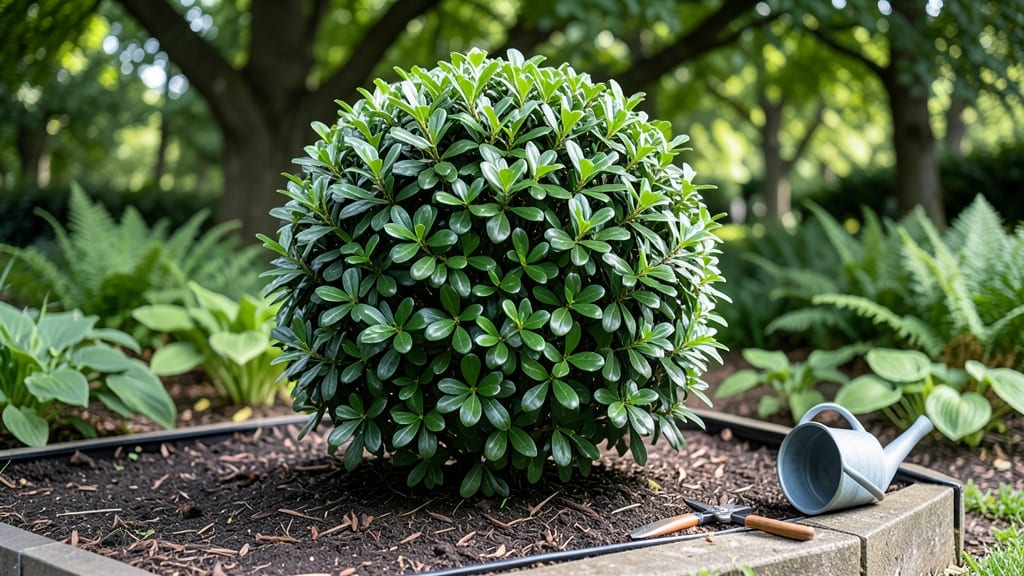
Boxwood thrives in full shade where other plants give up—my darkest corner now has a lush, evergreen privacy screen that stays vibrant year-round. 🌿 The key is choosing the right variety (like 'Green Velvet' or 'Winter Gem') and prepping soil with organic matter to help roots spread where sunlight barely reaches.
Most people overwater in shade, but boxwoods hate soggy roots. Aim for 1-1.5 inches of water weekly, less in winter, and always use well-draining soil mixed with compost. Mulch helps retain moisture while keeping roots cool—critical for preventing root rot in those deep shadows.
Prune lightly in early spring to shape, but never cut into old wood. I learned this the hard way when my first hedge got leggy from over-pruning. With proper care, your boxwood will grow 6-12 inches per year, creating a dense, impenetrable screen that blocks both view and wind.
Pair with ferns, hostas, or hellebores for a layered look, and avoid planting near maples (their roots steal nutrients). The secret to long-term success? Patience—boxwoods grow slowly but reward you with decades of dark-green perfection in the shadiest spots.
📚 In This Guide
- What you need
- Instructions
- Tips and common mistakes
- Wrapping up and next steps
What you need
- ● Boxwood plants: 10–20 Buxus sempervirens or Buxus microphylla (depending on desired height/width; 12–18" spacing for mature plants). Choose shade-tolerant varieties like 'Green Velvet' or 'Winter Gem'.
- ● Well-draining soil: 5–10 bags (10–20 lbs each) of peat-based potting mix or compost-amended garden soil (avoid heavy clay).
- ● Organic mulch: 2–3 bags of pine bark nuggets or shredded cedar mulch (2–3" layer to retain moisture).
- ● Slow-release fertilizer: 1 bag 10-10-10 or 5-5-5 organic fertilizer (sprinkle lightly at planting).
- ● Watering can or hose: With a gentle spray nozzle (avoid blasting roots).
- ● Garden trowel or spade (for digging holes).
- ● Measuring tape (to ensure proper spacing).
- ● Gloves (gardening or work gloves for protection).
- ● Pruning shears (sharp, bypass-style for clean cuts).
- ○ Stakes or plant ties (optional, for young/unstable plants).
- ● Soil amendments: Compost or worm castings (mix 1 part into soil for nutrient boost).
- ● Mulch ring or landscape fabric (to keep mulch in place and suppress weeds).
- ● pH test kit (ideal range: 6.0–7.0; amend with lime or sulfur if needed).
- ● Drip irrigation system (for consistent moisture in deep shade).
How to plant and maintain boxwood in full shade
Boxwoods can handle full shade better than most shrubs—here’s how to set them up for long-term success.
🌱 Step 1: Choose the Right Boxwood Varieties for Shade
Not all boxwoods thrive in deep shade, so pick varieties bred for low light. 'Winter Gem' and 'Green Velvet' handle full shade best, staying dense and vibrant. Avoid 'English Boxwood'—it needs at least partial sun to maintain its glossy foliage. I always check the plant tag for light requirements before buying, especially in shady spots.
Look for healthy, dark green plants with firm stems—avoid anything with yellowing leaves or leggy growth. These signs mean the nursery kept them in poor light, and they’ll struggle even more in your shade. Plant in early spring or fall when temperatures are mild, giving roots time to establish before extreme heat or cold.
🪴 Step 2: Prepare the Planting Site for Shade Tolerance
Boxwoods in full shade need well-draining soil with organic matter. Amend heavy clay or sandy soil with 3 inches of compost mixed into the top 12 inches of soil. I dig a hole twice as wide as the root ball but only as deep—planting too deep suffocates roots and causes stress.
Test the soil moisture before planting. If it stays soggy for days, add 1 inch of perlite to improve drainage. Boxwoods hate wet feet, and full shade slows evaporation, making waterlogged soil deadly. Place a 2-inch layer of mulch (wood chips or shredded bark) around the base, keeping it 3 inches away from the stem to prevent rot.
☀️ Step 3: Plant and Water for Immediate Stability
Set the boxwood in the hole so the top of the root ball sits 1 inch below the surrounding soil level. This prevents the stem from rotting if it sits too high or drowning if it’s too low. Backfill with native soil, pressing gently to remove air pockets, then water deeply until the soil is evenly moist to a depth of 6 inches.
Don’t overwater at first—boxwoods in shade are prone to root rot if soil stays soggy. Instead, water every 3-4 days until new growth appears, then taper to once a week in dry spells. You’ll know it’s right when the soil feels damp but not saturated. Avoid overhead watering, which can spread fungal diseases in dense foliage.
✂️ Step 4: Prune and Maintain for Full Shade Success
Prune boxwoods in full shade lightly—just enough to shape and remove dead branches. Never cut into old wood, as it won’t regrow. I prune once a year in early spring, using sharp shears to make clean cuts at a 45-degree angle just above a leaf bud. Avoid heavy pruning, which stresses shade-adapted plants.
Fertilize once a year in early spring with a slow-release, balanced fertilizer (10-10-10). Too much nitrogen causes rapid, weak growth that flops in shade. Watch for spider mites or boxwood blight—both thrive in shady, humid conditions. Treat mites with neem oil and remove infected leaves immediately to prevent spread.
🌿 Step 5: Monitor and Adjust for Long-Term Health
Boxwoods in full shade grow 1-2 inches per year, so expect slow but steady expansion. If growth stalls after 2 years, the soil may lack nutrients. Test the soil and amend with 1 cup of compost around the base in early spring. Avoid synthetic fertilizers—they can burn roots in shade.
Watch for yellowing leaves—this usually means too much water or poor drainage. If the soil stays wet for more than 48 hours, improve drainage with 1 inch of coarse sand mixed into the topsoil. In extreme shade, supplement with a grow light for 4 hours a day in winter to prevent leggy growth. With proper care, your boxwoods will stay lush and green for decades.
Tips & tricks for perfect boxwood in full shade
Here's what I learned after watching my own shade-loving boxwoods thrive for years—these tricks make all the difference in full shade.
Variety Matters: In Step 1, when selecting your boxwoods, don't just grab any variety. 'Winter Gem' and 'Green Velvet' are specifically bred to handle deep shade, while others like 'English Boxwood' will struggle. I've seen 'Winter Gem' stay vibrant under a large oak tree where other varieties turned yellow and sparse. The plant tag is your best friend—always check the light requirements before buying.
Soil Preparation Secret: The key to success in Step 2 is that 3 inches of compost mixed into the top 12 inches of soil isn't just about nutrients—it's about creating the perfect air-to-water ratio. I've found that adding 1 inch of perlite to clay soils makes a huge difference in preventing waterlogged roots. Think of it as creating a sponge-like environment that holds moisture without drowning the roots.
Watering Wisdom: When following Step 3, remember that boxwoods in shade can't tell you when they're thirsty—they just show it through yellowing leaves. That's why I check soil moisture by sticking my finger 2 inches down. If it feels damp but not wet, you're good. Overwatering is the #1 killer of shade boxwoods, so resist the urge to water "just in case." The every 3-4 days schedule is a guideline—always check the soil first.
Pruning Precision: In Step 4, that 45-degree angle cut above a leaf bud isn't just for looks—it's about directing new growth. I've seen too many people cut straight across, which leaves ugly stubs and encourages disease. And remember, pruning in early spring gives the plant time to recover before summer heat stress. A little light shaping goes a long way in full shade where growth is naturally slower.
Pro Tips for Boxwood For Full Shade
- Here's what I learned after watching my own shade-loving boxwoods thrive for years—these tricks make all the difference in full shade.
- Variety Matters: In Step 1, when selecting your boxwoods, don't just grab any variety.
- Soil Preparation Secret: The key to success in Step 2 is that 3 inches of compost mixed into the top 12 inches of soil isn't just about nutrients—it's about creating the perfect air-to-water ratio.
Frequently asked questions
Got questions about growing boxwood in full shade?
You’re not alone! Here are answers to the most common concerns—from care tips to troubleshooting—so you can keep your evergreen hedge lush and thriving even in the darkest spots.
Can boxwood survive deep shade (like under tall trees)?
Yes! While boxwood prefers partial shade, many varieties (like Buxus sempervirens ‘Suffruticosa’) tolerate full shade—especially in cooler climates. Just avoid dense, dry shade (like under evergreens with thick canopies), which can stunt growth. Monitor for yellowing leaves—this may signal too little light.
How long does it take for boxwood to grow in full shade?
Boxwood grows slower in full shade than in sun, typically adding 6–12 inches per year. For a dense privacy screen, plan for 3–5 years to reach 3–4 feet tall. Prune lightly in late spring to encourage bushier growth and avoid leggy stems.
What’s the best boxwood variety for full shade?
Opt for dwarf or compact varieties bred for low light:
- Buxus ‘Green Velvet’ – Slow-growing, glossy, and disease-resistant.
- Buxus ‘Winter Gem’ – Cold-hardy and thrives in deep shade.
- Buxus ‘Blight Resistant’ (e.g., ‘Centennial’) – Tolerates dry shade better than others.
Do boxwood need extra water in full shade?
Yes! Shade reduces evaporation, so water deeply once a week (or when the top inch of soil is dry). Mulch with 2–3 inches of organic matter (like shredded bark) to retain moisture and protect roots. Overwatering is riskier in shade—ensure pots or beds have good drainage.
Why are my boxwood leaves turning yellow in shade?
Yellowing leaves in shade usually mean:
- Too little light – Move to partial shade (4+ hours of dappled sun).
- Overwatering – Check soil moisture; boxwood hates soggy roots.
- Nutrient deficiency – Apply a balanced fertilizer (10-10-10) in early spring.
- Pests/disease – Inspect for boxwood blight (brown spots) or spider mites (webbing). Treat with neem oil if needed.
What’s a good alternative if boxwood struggles in my shade?
If your shade is extremely dense or dry, try these evergreen privacy screen options:
- Holly (Ilex spp.) – Thrives in deep shade; some varieties are disease-resistant.
- Inkberry Holly (Ilex glabra) – Native, low-maintenance, and tolerates wet soil.
- Japanese Yew (Taxus cuspidata) – Handles full shade but grows slower.
- Dwarf Alberta Spruce (Picea glauca ‘Conica’) – Compact and shade-tolerant (but needs acidic soil).
Wrapping up and next steps
Boxwood is a resilient, low-maintenance champion for full-shade gardens—proving that even the darkest corners can thrive with the right plant! 🌿 Whether you’re aiming for a lush privacy screen, a structured hedge, or simply greenery in shadowy spots, these evergreens deliver year-round beauty with minimal fuss.
With the right variety (like Buxus sempervirens ‘Suffruticosa’ or Buxus microphylla ‘Faith’), proper soil prep, and occasional pruning, you’re set for a flourishing, sun-free sanctuary.
Ready to transform your shady space? Start small—plant a few boxwoods as a test, monitor their growth, and expand as confidence (and foliage!) grows. Happy gardening! 🌱