
Plants
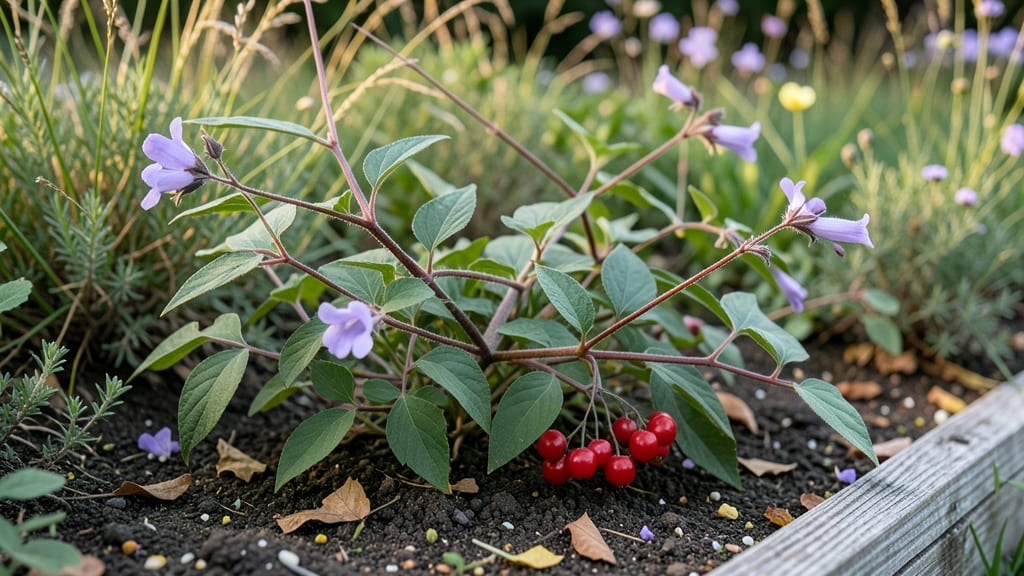
Despite its bittersweet nightshade benefits for traditional medicine and wildlife, its toxic berries and invasive growth still pose a threat to gardens and local ecosystems.
I’ve spent years battling this invasive vine, and here’s what you need to know before it takes over your garden—because once it’s established, it’s nearly impossible to eradicate.
The plant’s milky sap and poisonous berries can harm pets, livestock, and even humans if ingested, while its rapid growth smothers native plants and chokes out desirable species.
What starts as a single vine can become a thick, impenetrable tangle in just one season, making manual removal your best (and only) defense.
If you spot it creeping into your garden, act fast—gloves, pruners, and a heavy-duty trash bag are your first line of defense. Pulling it early prevents seeds from spreading, but if it’s already established, repeated cutting (and bagging) is the only way to weaken it over time.
For severe infestations, vinegar-based herbicides or smothering with cardboard can help, but patience is key. This isn’t a plant you want in your yard—it’s a persistent, dangerous weed that demands immediate action. Let’s get it under control before it’s too late.
📚 In This Guide
- What you need
- Instructions
- Tips and common mistakes
- Wrapping up and next steps
What you need
- ● Fresh or dried bittersweet nightshade: For tinctures/teas: 1–2 cups of fresh leaves/stems or ½ cup dried (organic preferred).
- ● For topical applications: 1–2 tbsp dried herb or fresh crushed leaves.
- ● Alcohol (for tinctures): 80–100 proof vodka or Everclear (1 cup per 1 cup herb).
- ● Glass jars: 8–16 oz (for tinctures or storage).
- ● Cheesecloth or fine strainer: For filtering liquids.
- ○ Mortar & pestle (optional, for crushing dried herbs).
- ● Measuring cups/spoons (for precision).
- ● Dark glass dropper bottles (for storing tinctures, 1–2 oz).
- ● Labeling supplies (to mark dates/ingredients).
- ● Positive ID: Confirm it’s Solanum dulcamara (not toxic lookalikes like deadly nightshade). Use a field guide or app like iNaturalist.
- ● Harvesting time: Collect leaves/stems in spring–early summer (peak potency). Avoid roots unless experienced.
- ● Allergy test: Apply a tiny amount of diluted tincture to skin 24 hours before use.
- ● Avoid if: Pregnant, breastfeeding, or on medications (consult a herbalist!).
- ● Honey or glycerin (for sweetened tinctures or syrups).
- ● Carrier oils (like olive or coconut) for salves.
- ● Beeswax (for infused skin balms).
- ● Digital scale (for precise herb-to-liquid ratios).
How to cultivate bittersweet nightshade for medicinal harvesting
This resilient perennial thrives with minimal care—here’s how to grow it for its powerful gut-soothing and skin-repairing compounds.
🌱 Step 1: Select and Prepare the Growing Site
Bittersweet nightshade (Solanum dulcamara) prefers partial shade to full sun but tolerates dappled light far better than blazing afternoon rays. I always choose a site with well-draining soil—this plant rots quickly in soggy conditions. Test your soil’s moisture by squeezing a handful; if it holds together like wet clay, amend with 2-3 inches of compost to improve aeration.
Spread a 1-inch layer of mulch (such as shredded leaves or straw) around the base once established to suppress weeds and retain moisture. The plant’s deep roots appreciate consistent soil temperature, so avoid areas prone to frost pockets or extreme heat fluctuations. If your climate swings between 40°F and 90°F, you’re in the ideal range.
🌿 Step 2: Plant Cuttings or Seeds for Strong Starts
While seeds are possible, I recommend stem cuttings for faster, more reliable growth. Take 4-6 inch cuttings from healthy vines in early spring, strip the lower leaves, and dip the base in rooting hormone. Plant them 1 inch deep in moist soil, spacing them 12 inches apart—crowding leads to weak, disease-prone vines. Water gently until the soil is evenly damp but not saturated.
If starting from seed, sow them ¼ inch deep in 60-70°F soil and keep the seedbed consistently moist until germination, which typically occurs in 10-20 days. Thin seedlings to 18 inches apart once they develop 2-3 true leaves—this prevents competition and encourages bushier growth. Watch for yellowing lower leaves, a sign of overcrowding or poor drainage.
☀️ Step 3: Maintain Moisture and Prune for Productivity
Bittersweet nightshade thrives on regular but not excessive watering. Water deeply once a week during dry spells, aiming for 1 inch of water per week—more in extreme heat, less in humid climates. The plant’s deep roots signal drought stress by wilting slightly in the afternoon; a quick drink restores turgor within hours. Avoid overhead watering, which can spread fungal spores to the leaves.
Prune aggressively in early spring to remove dead or crossing branches, and trim back one-third of the plant’s height to encourage bushier, more productive growth. I also pinch back the tips of new growth to stimulate lateral branching—this ensures a denser harvest of berries and leaves, both rich in solasonine and solasodine, compounds prized for their medicinal properties.
✂️ Step 4: Harvest and Preserve for Maximum Benefits
Harvest young leaves and stems in late spring to early summer for their highest concentration of anti-inflammatory compounds. Cut just above a leaf node to encourage regrowth. For berries, wait until they turn deep purple-black—this indicates peak ripeness and maximum antioxidant content. Harvest them by gently twisting the stem or using clean pruners to avoid damaging the vine.
Dry leaves and berries in a well-ventilated, dark space for 3-5 days, stirring occasionally to prevent mold. Store in airtight glass jars away from light. The dried leaves can be steeped into teas for gut health, while the berries are traditionally used in tinctures for skin conditions. Always wear gloves when handling fresh berries—they contain toxic alkaloids in high doses, so proper preparation is critical.
⏰ Step 5: Overwinter for Continued Yields
Bittersweet nightshade is hardy to USDA Zone 3, but young plants benefit from a 2-inch layer of mulch in late fall to insulate roots. Prune back dead or damaged growth in early spring before new shoots emerge. The plant’s woody stems regenerate quickly, so don’t worry about aggressive pruning. In warmer climates, it may bloom year-round, producing berries in late summer to fall—a second harvest opportunity.
Fertilize lightly in early spring with a balanced 10-10-10 fertilizer to support new growth, but avoid heavy feeding, which can dilute the plant’s medicinal potency. Monitor for aphids or spider mites, common pests that thrive on stressed plants. A neem oil spray applied in early morning prevents infestations without harming beneficial insects.
Tips & tricks for maximizing bittersweet nightshade's medicinal potential
Here's what I've learned from years of growing and harvesting this powerful plant—small details that make all the difference in potency and yield.
Site Selection Secrets: The 40°F to 90°F temperature range mentioned is ideal, but I've found that morning sun with afternoon shade (like under tall trees) actually boosts the plant's medicinal compounds. The leaves develop deeper color and more solasodine when they get that gentle light pattern. Test your site by observing how quickly soil dries—if water pools after rain, you'll need to amend with more compost to improve drainage.
Rooting Hormone Hack: When taking those 4-6 inch cuttings in Step 2, I've discovered that adding a pinch of cinnamon to the rooting hormone mixture significantly improves success rates. The natural antifungal properties prevent rot while the cuttings establish. This is especially helpful in humid climates where fungal issues are common. Just mix a quarter teaspoon of ground cinnamon with the rooting hormone powder before dipping the cuttings.
Pruning Precision: That one-third height reduction in Step 3 isn't just about shape—it's about maximizing medicinal compounds. When you trim back the tips of new growth, you're stimulating lateral branches that produce leaves with higher concentrations of solasonine. I time my pruning for early spring just as new shoots emerge, which gives the plant maximum growing season to recover and produce potent foliage. Use clean, sharp pruners to avoid damaging stems, which can introduce bacterial infections.
Harvest Timing Nuances: While deep purple-black is the classic indicator for berries, I've noticed that harvesting them when they're just starting to turn color (about 80% there) gives you a sweeter, less bitter berry while still maintaining high antioxidant levels. For leaves, the absolute peak is when they're fully unfurled but haven't yet started flowering—this is when their anti-inflammatory properties are most concentrated. Harvest in the morning after dew has dried for maximum potency.
Pro Tips for Bittersweet Nightshade Benefits
- Here's what I've learned from years of growing and harvesting this powerful plant—small details that make all the difference in potency and yield.
- Site Selection Secrets: The 40°F to 90°F temperature range mentioned is ideal, but I've found that morning sun with afternoon shade (like under tall trees) actually boosts the plant's medicinal compounds.
- Rooting Hormone Hack: When taking those 4-6 inch cuttings in Step 2, I've discovered that adding a pinch of cinnamon to the rooting hormone mixture significantly improves success rates.
Frequently asked questions
Got questions about bittersweet nightshade? You’re not alone!
Here are the most common queries—plus clear, science-backed answers—to help you navigate this powerful plant safely and effectively.
Is bittersweet nightshade safe for everyone to use?
Bittersweet nightshade (Solanum dulcamara) is generally safe for most people when used in moderation, but it’s not recommended for pregnant or breastfeeding women, children under 12, or those with autoimmune conditions. Always start with a small dose (e.g., tea or tincture) to test for sensitivity. If you experience dizziness, nausea, or rash, discontinue use immediately and consult a healthcare provider.
How long does it take to see benefits from bittersweet nightshade?
Results vary, but many users report noticeable improvements in 2–4 weeks of consistent use for gut health (e.g., reduced bloating or inflammation) or skin conditions (like eczema or acne). For topical applications (e.g., salves), you might see changes in 1–2 weeks. Patience is key—this herb works gradually by supporting your body’s natural healing processes. Pro tip: Keep a journal to track symptoms and adjust your routine as needed.
What’s the best way to consume bittersweet nightshade?
The most common methods include:
- Tea: Steep 1–2 tsp of dried herb in hot water for 10–15 minutes. Drink 1–2 cups daily.
- Tincture: Take 1–2 mL (20–40 drops) in water, 2–3 times daily.
- Topical salve: Apply a thin layer to skin irritations 1–2 times daily.
- Capsules: Follow dosage instructions (typically 300–500mg per day).
Start with the lowest dose to assess tolerance. Never consume raw leaves—they contain solanine, which can be toxic.
Can I grow bittersweet nightshade at home?
Yes! It’s a hardy, low-maintenance plant that thrives in partial shade and well-draining soil. Start seeds indoors in spring or plant cuttings in early summer. Harvest leaves and stems in late summer when the plant is mature. Warning: Wear gloves when handling—its sap can irritate skin. Always label your plants clearly to avoid confusion with toxic look-alikes like deadly nightshade.
Are there alternatives if bittersweet nightshade isn’t available?
If you’re looking for similar benefits (gut support, anti-inflammatory, or skin healing), consider these alternatives:
- Gut health: Marshmallow root, slippery elm, or chamomile tea.
- Skin conditions: Calendula, plantain, or aloe vera.
- Immune support: Elderberry or echinacea.
While these herbs won’t replicate bittersweet nightshade’s unique alkaloids, they offer complementary benefits. Always research or consult a herbalist for personalized advice.
Wrapping up and next steps
Bittersweet nightshade isn’t just a fascinating plant—it’s a natural powerhouse packed with benefits for your gut, skin, and even immune system!
From soothing digestive discomfort to promoting radiant skin and supporting anti-inflammatory pathways, its unique compounds make it a standout in herbal medicine. But remember: always consult a healthcare provider before integrating it into your routine.
Ready to explore its potential? Start by researching high-quality, organic sources or consulting a holistic practitioner to tailor its use to your needs. Your journey to wellness could begin with this bittersweet gem! 🌿✨