
Light Requirements
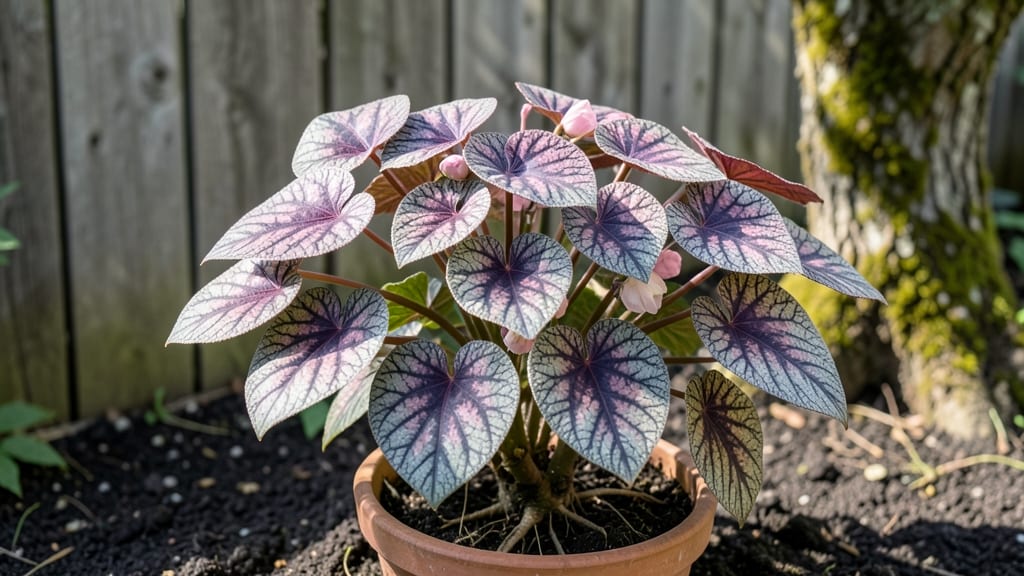
Your darkest corners can bloom with begonias thriving in full shade—no more barren spots! 🌿 These plants turn gloomy areas into lush displays with their velvety leaves and vibrant blooms, proving shade isn’t a limitation.
I’ve grown them under trees and on north-facing porches, and they’ve never let me down. The secret lies in moist, well-draining soil and consistent watering—never let them dry out completely.
Varieties like Begonia rex and Begonia boliviensis love low light, while tuberous begonias (with a little morning sun) add extra drama. Just avoid soggy roots, and you’ll see new growth within weeks. By summer, you’ll have trailing vines cascading over pots or upright foliage plants that outshine brighter spots.
The key is patience—these beauties grow slower in shade but reward you with longer-lasting blooms and richer colors than sun-starved alternatives. Works for patios, balconies, or forest-edge gardens. Let’s bring life to those shadowy corners!
📚 In This Guide
- What you need
- Instructions
- Tips and common mistakes
- Wrapping up and next steps
What you need
- ● Begonia plants: Choose shade-tolerant varieties like Begonia rex, Begonia maculata, or Begonia boliviensis (1–3 plants, depending on pot size).
- ● Containers: 6–12" pots with drainage holes (terracotta or ceramic, 1–2 per plant). Pro tip: 💡 Use saucers to catch excess water!
- ● Potting mix: A well-draining blend (50% peat/coir + 50% perlite/pumice, or pre-mixed African violet mix).
- ● Drainage layer: Small pebbles or perlite (1–2 inches at the pot’s bottom).
- ● Watering can: With a narrow spout for gentle watering (avoid soggy soil!).
- ● Fertilizer: Balanced liquid fertilizer (10-10-10 or 20-20-20, diluted to half-strength).
- ● Mulch: Orchid bark or shredded pine needles (1–2 inches on soil surface to retain moisture).
- ● Humidity tray: A pebble tray with water to boost humidity (great for rex begonias).
- ● Grow lights: If natural light is very dim (e.g., north-facing windows), a low-watt LED grow bulb (10W–15W) can help.
- ● Pruning shears: For trimming leggy growth (sterilize with rubbing alcohol!).
How to select and grow begonias in full shade
Here's how to choose the right begonias and create the perfect conditions for them to thrive in your darkest garden spots.
🌱 Step 1: Choose the Right Begonia Varieties for Full Shade
Not all begonias tolerate full shade equally. For true low-light success, focus on Rex begonias, angel-wing begonias, and Wax begonias. These varieties boast striking foliage and delicate blooms that flourish with minimal sunlight. Rex begonias, in particular, develop their signature silvery patterns only when given shade, making them ideal for dark corners.
Look for healthy plants with vibrant leaves and no signs of yellowing or brown spots. The leaves should feel firm and slightly waxy to the touch. Avoid plants with leggy stems or sparse foliage—these are often grown in too much light and won't adapt well to shady conditions. I always check the undersides of leaves for pests before bringing new plants home, as shade-loving begonias can be particularly susceptible to spider mites in low-light environments.
☀️ Step 2: Prepare the Planting Location
Full shade means selecting a spot that receives less than 3 hours of direct sunlight daily. Ideal locations include north-facing walls, the base of tall trees, or beneath dense shrubs. Test your spot by observing how much light it gets over a week—begonias will struggle if exposed to even brief afternoon sun, which can scorch their delicate leaves.
Amend the soil with 2-3 inches of organic compost to improve drainage and fertility. Begonias hate soggy roots, so if your soil feels heavy when squeezed, mix in pearlite or coarse sand to create air pockets. The ideal planting medium should hold moisture without becoming waterlogged. I like to dig a hole twice as wide as the plant's root ball to encourage outward root growth, which helps stabilize the plant in shady conditions.
🪴 Step 3: Plant and Provide Consistent Moisture
Gently remove the begonia from its container and loosen the roots if they appear circling or compacted. Place the plant in the hole so the top of the root ball sits 1 inch below soil level—this prevents stem rot while keeping leaves above potential water splashes. Fill the hole with soil and press lightly around the base to eliminate air pockets, but avoid compacting the mix too firmly.
Water thoroughly immediately after planting to settle the soil and eliminate air gaps. After that, maintain consistently moist—but not soggy—soil. Stick your finger 1 inch into the soil; if it feels dry, it's time to water. Begonias in full shade are particularly prone to wilting if allowed to dry out, so I use a moisture meter in my shadiest spots to monitor conditions accurately. Mulch with 2-3 inches of shredded bark or leaves to retain moisture and regulate soil temperature.
🌿 Step 4: Fertilize and Maintain for Year-Round Growth
Feed begonias with a balanced, water-soluble fertilizer (10-10-10) every 4-6 weeks during the growing season. In full shade, growth slows, so reduce feeding frequency to prevent salt buildup in the soil. I always dilute fertilizer to half-strength when applying to shade-loving plants, as their slower metabolism means they absorb nutrients more gradually.
Remove spent blooms regularly to encourage continuous flowering, especially with Wax begonias. Prune leggy stems back to a healthy leaf node to promote bushier growth. In winter, reduce watering but keep the soil slightly moist—begonias in containers may need protection from freezing temperatures, while those in the ground can often survive with a thick mulch layer. Watch for yellowing leaves, which often signal overwatering or poor drainage, and adjust your care routine accordingly.
✂️ Step 5: Propagate and Overwinter for Next Season
Take stem cuttings in early summer to propagate new plants. Use 4-6 inch sections with at least two leaf nodes, and dip the cut end in rooting hormone before placing in moist perlite or water. Keep the cuttings in bright, indirect light until roots form—typically 2-3 weeks. This is how I expand my collection without spending money on new plants each year.
For overwintering, dig up container-grown begonias or move potted plants to a cool, bright location with temperatures between 50-60°F. Reduce watering to every 2-3 weeks, just enough to prevent the soil from drying completely. Check periodically for pests, which become more active in dry indoor environments. With proper care, your begonias will return to full vigor come spring, ready to brighten up those dark corners once again.
Tips & tricks for thriving begonias in dark corners
Here's what nobody tells you about growing begonias in low-light conditions—these tricks make all the difference for vibrant, healthy plants.
Variety Selection: Rex begonias are your secret weapon for full shade—their stunning foliage patterns only develop properly with minimal sunlight. I've learned the hard way that angel-wing begonias also thrive here, but avoid varieties like Cane begonias, which need bright light to bloom. Look for plants with compact growth habits and glossy leaves; these are bred specifically for low-light conditions and won't stretch out like sun-starved specimens.
Soil Science: The 2-3 inches of organic compost you mix in isn't just about nutrients—it's about creating the perfect moisture retention without suffocating roots. I've found that adding perlite isn't always necessary if your native soil has good structure, but when in doubt, test by squeezing a handful: if it holds its shape when wet, add perlite. The goal is soil that crumbles easily between your fingers when dry, not clumps like wet clay.
Watering Wisdom: That 1-inch soil moisture check becomes your best friend in shady spots. I've ruined multiple begonias by assuming "shade means less water"—the opposite is true. Shade slows evaporation, so the soil stays damp longer. Use a moisture meter for accuracy, especially in containers where soil dries faster. The key is consistency: never let the top inch dry completely, but never leave them sitting in saucers of water either.
Light Monitoring: The "less than 3 hours of direct sunlight" rule is non-negotiable, but here's the catch: morning sun is far less damaging than afternoon sun. If your spot gets brief morning light but harsh afternoon rays, consider adding a sheer curtain for those critical hours. I've seen begonias scorch in spots that technically meet the 3-hour rule if that sunlight comes during peak intensity.
Pro Tips for Begonia Full Shade
- Here's what nobody tells you about growing begonias in low-light conditions—these tricks make all the difference for vibrant, healthy plants.
- Variety Selection: Rex begonias are your secret weapon for full shade—their stunning foliage patterns only develop properly with minimal sunlight.
- Soil Science: The 2-3 inches of organic compost you mix in isn't just about nutrients—it's about creating the perfect moisture retention without suffocating roots.
Frequently asked questions
Got questions about growing begonias in full shade?
You’re not alone! Here are some of the most common concerns—and their easy solutions—to help your begonias thrive in low-light spots.
Can begonias survive in true full shade (no direct sunlight)?
Yes! Many begonias—like Begonia rex or Begonia boliviensis—thrive in low to no direct sunlight, as long as they get bright, indirect light (e.g., near a north-facing window or under dappled shade). Avoid pitch-black corners, though—even artificial grow lights (12+ hours/day) can help if natural light is lacking.
How long does it take for begonias to adjust to full shade?
Begonias are adaptable but may take 2–4 weeks to adjust to lower light. Watch for leggy growth or pale leaves—this means they need more light or a brighter spot. If leaves yellow, they might be getting too much shade or overwatered.
What’s the best alternative if my begonia struggles in full shade?
Try these low-light-friendly swaps:
- Pothos or Snake Plant (near-zero light tolerance)
- Cast Iron Plant (survives neglect + shade)
- ZZ Plant (thrives in dim corners)
Why are my begonia leaves turning yellow in full shade?
Yellow leaves usually signal one of three issues:
- Overwatering (check soil—it should stay slightly moist but not soggy).
- Too much shade (move to a brighter, indirect spot).
- Nutrient deficiency (feed with balanced liquid fertilizer every 4–6 weeks).
Pro Tip: Can I grow begonias indoors under artificial light?
Use LED grow lights (5,000–6,500K color temp) for 12–14 hours/day, keeping them 6–12 inches above plants. Avoid cool-white bulbs—they skew blue and can stress begonias. Rotate plants weekly for even growth!
Wrapping up and next steps
Growing begonias in full shade isn’t just possible—it’s a fantastic way to bring vibrant life to those tricky, low-light spots in your garden or home! 🌿 From lush Begonia rex with its striking foliage to delicate Begonia boliviensis, these plants prove that shade-loving beauty thrives with the right care.
With proper soil, humidity, and a little TLC, you’ll enjoy a lush, thriving display year-round.
Ready to transform your dark corners? Start with one variety—whether it’s a trailing Begonia for hanging baskets or a bold-leafed centerpiece—and watch your space come alive! 🌱