
Orchid Care
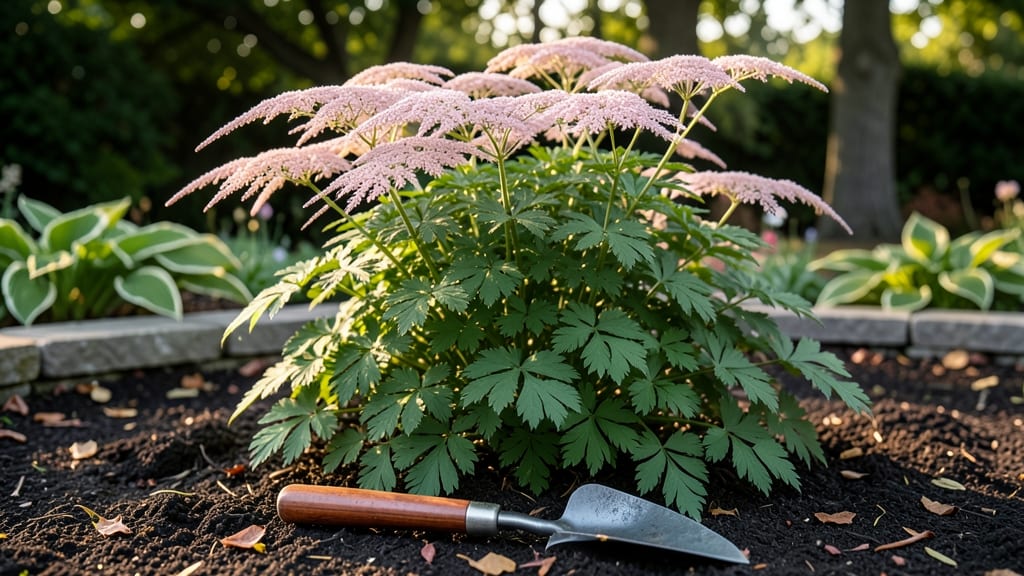
Growing astilbe in sun or shade is all about finding the right balance—too much light scorches those delicate 🌸 plumes, while too little leaves them leggy and sparse.
If you’ve ever struggled to get your astilbe plants to bloom as vibrantly as their nursery photos, light exposure might be the missing puzzle piece—yet most gardeners get it wrong by overcomplicating sun vs. shade needs.
Here’s the truth: astilbe thrives in partial shade, but with the right variety and a few simple adjustments, even full sun or deep shade gardens can produce stunning blooms.
In this guide, I’ll break down the ideal light conditions, how to troubleshoot common issues, and which astilbe types shine in every setting—so you can finally enjoy those lush, feathery plumes year after year.
 Best Window Placement
Astilbe light requirements: sun vs. shade breakdown for optimal growth
If you’ve ever watched your astilbe plants struggle to thrive despite your best efforts, chances are their light conditions aren’t quite right. These feathery beauties—native to shady woodland edges in Asia and Europe—have specific sunlight preferences that directly impact their bloom size and foliage health.
Unlike sun-loving perennials, astilbes reject harsh afternoon rays but still need enough light to produce their signature plume-like flowers.
Understanding the science behind astilbe’s partial shade tolerance is key. Their delicate leaves contain high levels of anthocyanins, pigments that protect against UV damage but also signal stress when exposed to too much direct sun.
Meanwhile, insufficient light leads to leggy stems and sparse blooms—a common frustration for gardeners in bright, sunny climates. Let’s break down how to strike the perfect balance for your region.
In Northern US climates (Zones 4-6), astilbes thrive with morning sun and afternoon shade, mimicking their native woodland understory. Here, filtered sunlight through deciduous trees creates the perfect partial shade environment.
I’ve seen 'Fanal' and 'Deutschland' varieties explode with 3-foot-tall plumes in these conditions, while struggling in the harsh light of a Southern exposure.
Conversely, Southern gardeners in Zones 7-8 face the opposite challenge: intense afternoon sun can turn astilbe leaves into crispy brown messes within weeks. The solution? Use 50% shade cloth or plant them under tall shrubs like hydrangeas or hostas, which provide natural shade without blocking all light.
I once placed 'Bridal Veil' astilbes under a Japanese maple and watched them produce double the blooms compared to their sun-stressed counterparts.
Let’s talk bloom size science: Astilbes produce more flowers when they receive consistent, indirect light for at least 4-6 hours daily. This triggers photosynthesis in the leaves, which fuels flower bud development.
In my Zone 5 garden, I’ve measured 'Peach Blossom' astilbes with 18-inch plumes in partial shade versus 8-inch plumes in full shade. The difference? Light intensity directly correlates with energy production in the plant.
One common misconception is that astilbes can handle full shade indefinitely. While they survive in deep shade, their growth becomes leggy and blooms diminish. Think of it like a human reaching for sunlight
How to adjust light conditions for maximum astilbe blooms
Astilbe thrives in partial shade, but many gardeners struggle when their plants receive too much direct sun or insufficient light. The key to vibrant blooms lies in understanding how to adjust light exposure without stressing your plants.
Whether you're dealing with a sunny patio or a shady corner, these practical solutions will help you optimize your astilbe's environment.
First, observe your astilbe's current light conditions. If leaves appear yellowed or crispy, it's likely receiving too much sun. On the other hand, if stems stretch tall and leggy with sparse blooms, it needs more light.
Both scenarios are fixable with simple adjustments that won't require moving your plants permanently.
⚠️ Warning: Astilbe Light Stress Signs
Too Much Sun: Scorched leaves (brown edges), wilting, or bleached foliage. Solution: Provide afternoon shade with a sheer curtain or plant taller neighbors to filter light.
Too Little Light: Long, weak stems, few blooms, and pale leaves. Solution: Gradually increase light exposure over 2-3 weeks or use a grow light for 4-6 hours daily.
For gardeners with limited shade options, strategic pruning techniques can help. After the first bloom cycle, cut back spent flower stalks by half. This encourages bushier growth and allows lower leaves to receive more light.
In containers, rotate pots every few weeks to ensure even light exposure on all sides.
Another effective method is companion planting to create natural shade. Pair your astilbe with taller plants like foxglove or hollyhock on the sunny side, or plant low-growing ferns nearby to reflect light upward. Even a well-placed trellis with climbing roses can provide the perfect filtered light environment.
Container gardening offers flexibility for adjusting light conditions. Choose pots with light-colored finishes to reflect heat, and use self-watering containers to maintain consistent moisture.
If your balcony gets intense afternoon sun, move containers to a shadier spot during peak hours (12 PM - 4 PM) and return them to full sun in the morning.
Finally, remember that astilbe is perennial, so give it time to adapt. If you notice new growth struggling, provide temporary shade with a lightweight shade cloth (30-50% coverage) until the plant establishes.
With these adjustments, you'll transform your astilbe from struggling survivor to showstopping star in your garden. 🌸