
Vegetables
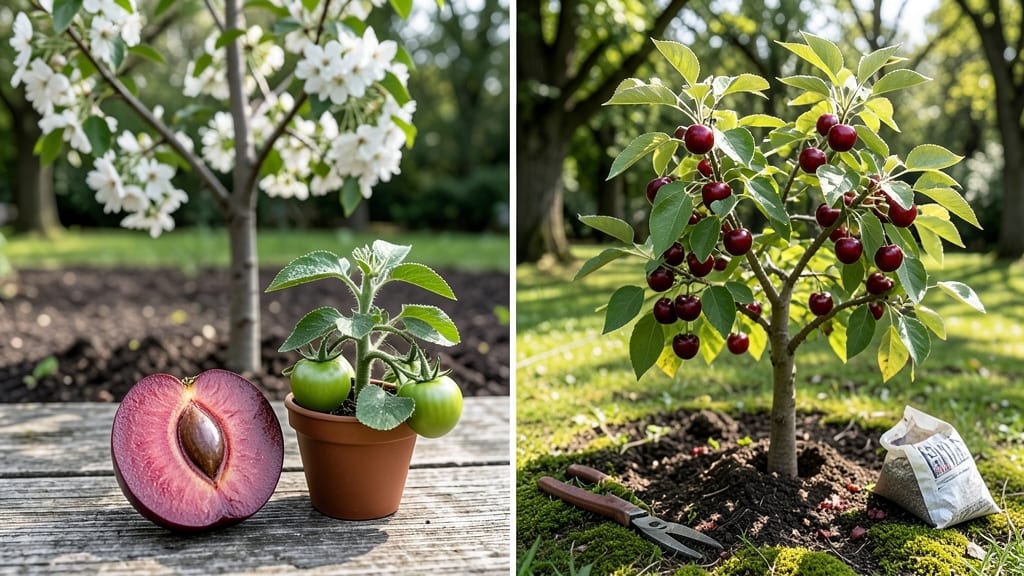
Cherries are not nightshades—they belong to the Rosaceae family, not Solanaceae. Nightshades include tomatoes, potatoes, and peppers, which share a different botanical lineage and often contain solanine, unlike cherries.
This distinction matters because nightshades like tomatoes and peppers contain solanine, a compound that some people avoid due to potential inflammation or digestive issues. 🍒 Cherries, however, are part of the rose family and have a completely different chemical makeup, making them a safe alternative for those with nightshade sensitivities.
Many people mistakenly group cherries with nightshades because both are often used in similar dishes, but their botanical differences are significant.
For example, if you're following an anti-inflammatory diet or managing autoimmune conditions, you might need to avoid nightshades but can still enjoy cherries without worry. This botanical truth also explains why cherries don't trigger the same reactions in sensitive individuals that tomatoes or eggplants might.
💡 In This Article
- Botanical Classification: Why Cherries Aren’t Nightshades
- Dietary Considerations: Nightshades vs. Cherries for Health
Botanical classification: why cherries aren’t nightshades
The key difference lies in their botanical families: cherries belong to the Rosaceae family, while nightshades are part of Solanaceae. Cherries share this family with apples, peaches, and roses, all of which have five-petaled flowers and similar leaf structures.
Nightshades, on the other hand, feature flowers with fused petals and often contain compounds like solanine that cherries lack entirely.
Nightshades like tomatoes and potatoes have berry-like fruits that develop from a single ovary, while cherries are drupes—a pit surrounded by fleshy fruit.
This structural difference is visible even when comparing their seeds: cherry pits contain a single large seed, whereas nightshades typically have multiple smaller seeds embedded in their flesh.
The chemical composition further separates them: cherries contain cyanogenic glycosides (like amygdalin) in trace amounts, while nightshades contain alkaloids like solanine and capsaicin.
What causes the confusion? Many fruits with sweet flavors or red hues get grouped together, but botanical classification relies on reproductive structures, not taste or appearance.
For example, strawberries (Rosaceae) and raspberries (also Rosaceae) are often mistaken for nightshades due to their berry-like appearance, but they share cherries' true botanical lineage. This misclassification stems from culinary traditions rather than scientific taxonomy.
Consider this: if you were to examine a cherry tree's flowers, you'd notice their five distinct petals and many stamens, a hallmark of Rosaceae. Nightshades, however, have radial, star-shaped flowers with fused petals—a trait that never appears in cherry blossoms.
These visible differences reinforce why cherries and nightshades belong to entirely separate plant families.
The confusion extends to cultural naming conventions too. Some languages use similar terms for unrelated fruits, like the Spanish word "cereza" for cherry and "tomate" for tomato.
Even in English, the term "nightshade" historically referred to any plant with dark berries growing in shade, but modern botany has narrowed it to Solanaceae exclusively. This linguistic overlap contributes to the persistent myth that cherries belong in the nightshade category.
For those tracking botanical details, here's a quick visual comparison:
- Cherry (Rosaceae): Single large pit, five-petaled flowers, fleshy drupe fruit
- Nightshade (Solanaceae): Multiple small seeds, fused-petal flowers, berry-like fruit
Understanding these distinctions helps clarify why recipes calling for "nightshade-free" ingredients can safely include cherries without triggering adverse reactions in sensitive individuals. 🌿